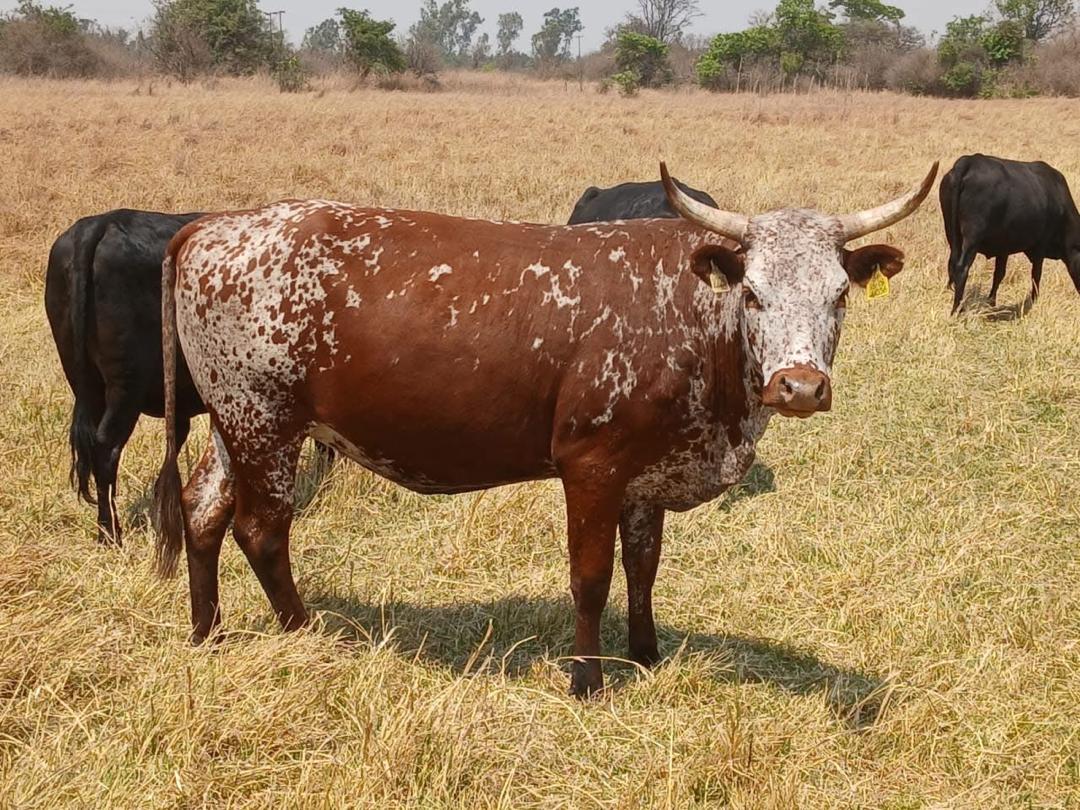
Profit, not perfection: Why Africa’s cattle producers should breed for function, fertility and adaptability
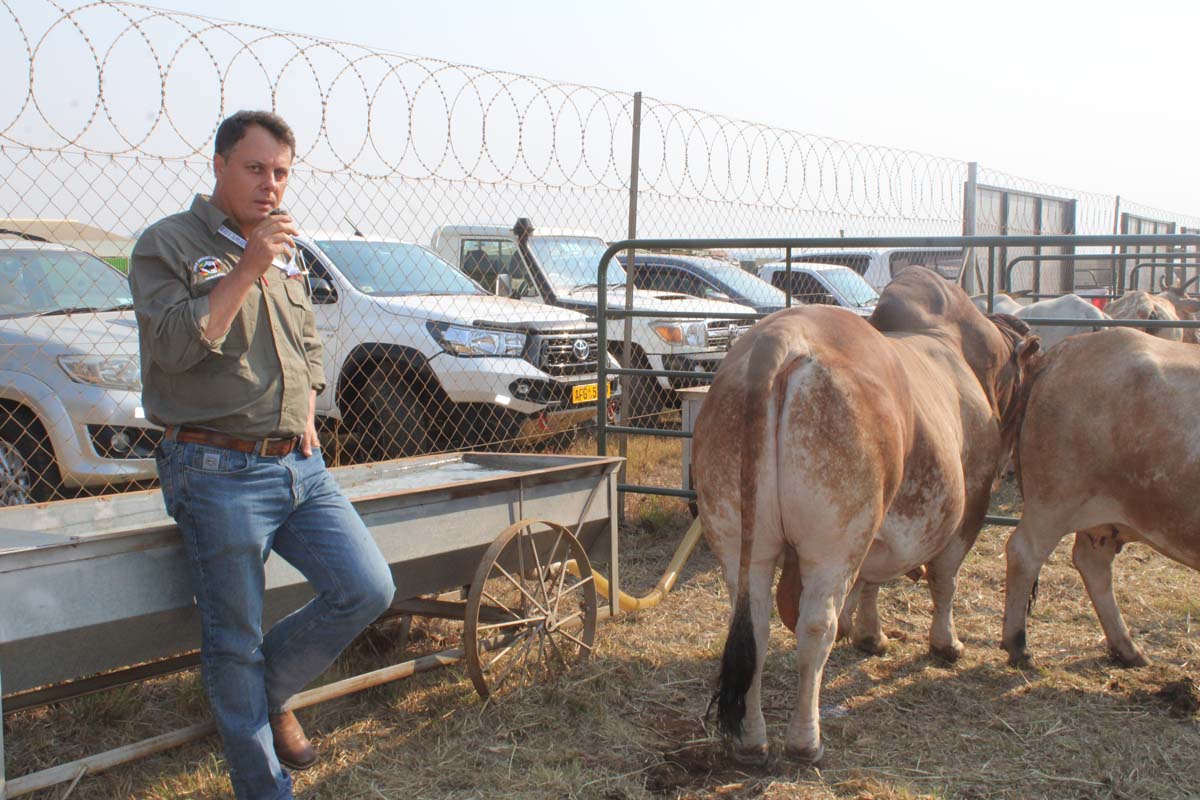
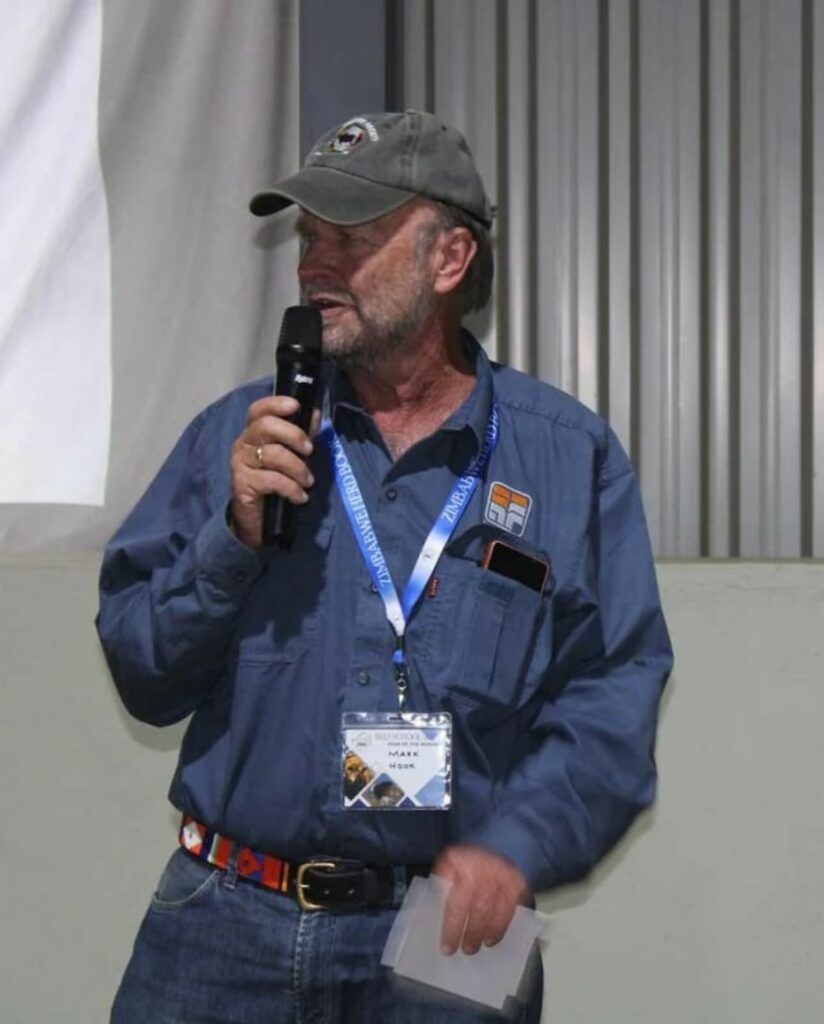
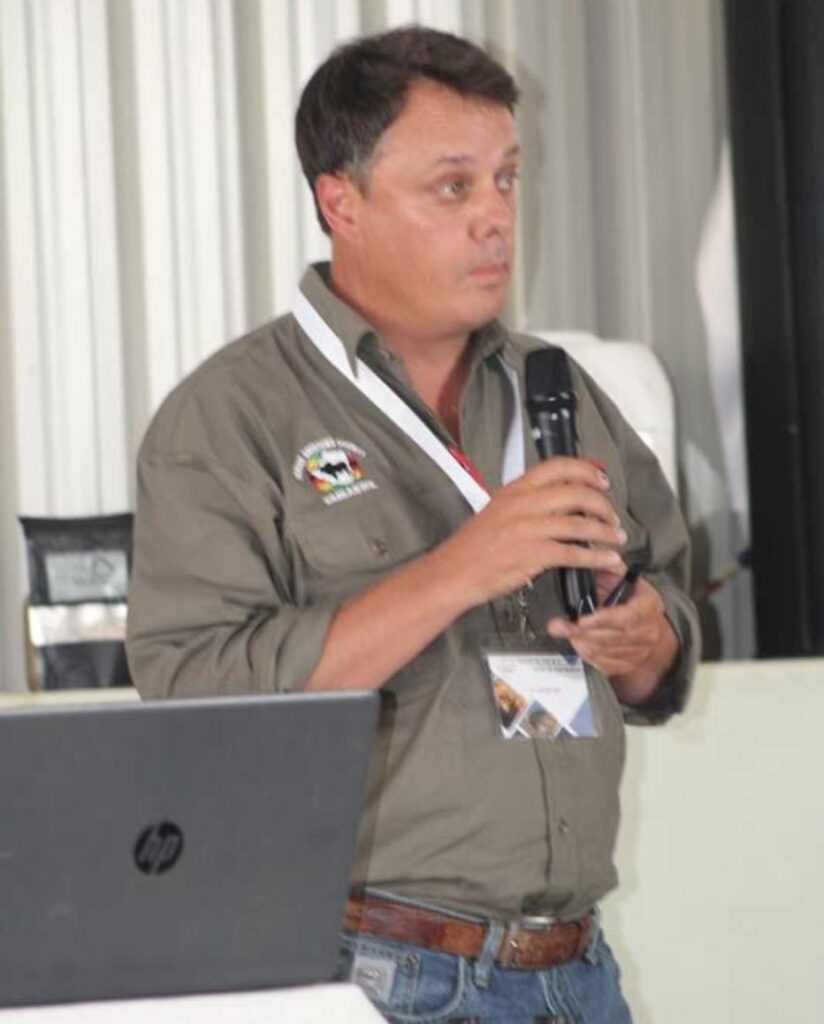
For Zimbabwe’s cattle breeders, the most impressive animal is not necessarily the most profitable. Mark Hook, chairman of the Zimbabwe Boran Breeders Society, and international cattle judge PJ Budler believe the future of sustainable beef production lies in breeding animals that are adapted to their environment, reproduce consistently and perform efficiently under the conditions in which they are expected to thrive.
What makes a beautiful cow? For some breeders, the answer may be size, muscle definition, exceptional growth or a commanding presence in the show ring. But for cattle producers working to make a living from their herds, appearance alone is a poor measure of success.
For PJ Budler, an internationally recognised cattle judge who has assessed livestock in six continents (128 countries) and worked with 109 breeds, the priorities are clear: fertility, adaptability, longevity and functional efficiency.
“Profit doesn’t lie in maximum. Maximum makes headlines. Profit keeps you in business,” is the principle behind his approach to cattle selection.
It is a message that resonates strongly with Hook, particularly as Zimbabwean producers navigate increasingly unpredictable seasons, rising production costs and the need to build resilient herds.
Both men believe that cattle breeding should be guided by the realities of commercial production rather than the pursuit of extremes. The best animal is not necessarily the biggest or the most visually striking, but the one that consistently produces a calf, maintains its condition, remains sound and does so with minimal intervention.
Eight disciplines of profitable farming
Successful cattle production requires more than good genetics. Hook and Budler identify eight interconnected disciplines that contribute to a profitable farming enterprise: genetics, herd management, nutrition, animal health, marketing, record-keeping, forage and pasture management, and human resources.
Weakness in any one of these areas can undermine the benefits achieved elsewhere. Superior genetics, for example, will not deliver their full potential if animals are poorly nourished, exposed to preventable disease or managed in an unsuitable environment.
Likewise, a producer may have excellent pastures and sound management practices but struggle financially if breeding decisions do not support the production system.
The challenge is to make these disciplines work together. Breeders need to understand their market, assess the resources available to them and select animals capable of performing within those limits.
This is particularly important in extensive production systems, where cattle must often travel considerable distances for grazing and water, cope with fluctuating forage quality and maintain productivity without the level of supplementary feeding available in more intensive systems.
The economics of cattle production therefore begin with the relationship between the animal and its environment.
The importance of a functional cow
Budler grew up on a fifth-generation livestock farm in South Africa’s Eastern Cape, working with cattle, sheep and goats. He established his own registered cattle herd at the age of 15 before eventually moving to Texas.
His experience across different breeds, countries and production systems has reinforced his belief that breeders should prioritise the traits that make a direct contribution to the bottom line.
A functional cow should be fertile, structurally sound, easy to manage, capable of calving without unnecessary difficulty and able to rear a healthy calf year after year. She should also have good feet and legs, a sound udder and a temperament that makes routine handling safe and manageable.
Longevity is equally important. A cow that remains productive for many years spreads the cost of her development and replacement across a greater number of calves. A female that looks exceptional but struggles to conceive, maintain her condition or rear a calf is an expensive animal to keep.
Milk production illustrates the importance of balance. Although adequate milk is essential for calf growth, maximum milk production is not always desirable in extensive, low-input systems. A high-milking cow has greater nutritional requirements, and if the available forage cannot meet those demands, she may lose excessive condition and take longer to reconceive.
The objective should be sufficient milk to rear a strong calf without compromising the cow’s ability to reproduce again.
Frame size presents a similar challenge. Larger animals generally require more energy for maintenance, meaning that a bigger cow may consume more resources before any additional production advantage is realised.
Hook knows this from personal experience. In his own breeding programme, the pursuit of bigger steers led him to select genetics based heavily on performance figures, without fully appreciating the implications for the breeding females.
“I did it myself. I imported semen based entirely on figures because I wanted to produce the biggest steers I could. The result was cows weighing 700kg that simply could not get pregnant again every year. I could only get them to reconceive every second year,” he explained.
The experience changed his perspective on the relationship between size and productivity. It also informed his concern about the consequences of introducing larger-framed cattle into communal farming systems.
Hook pointed to the contrast between smaller indigenous cows, weighing around 300kg, that had survived and reproduced under local conditions for generations, and the larger-framed Brahman genetics subsequently introduced into some herds.
A smaller cow that produces a calf approximately every 18 months may, under suitable conditions, contribute more consistently to a household’s food security and income than a larger animal that calves only once every three years. The larger cow also has greater maintenance requirements, placing additional pressure on limited grazing and feed resources.
For breeders, the lesson is not that large cattle are inherently undesirable, but that size must be appropriate to the environment, feed resources, market and management system.
Africa’s indigenous breeds offer valuable advantages
African indigenous cattle have characteristics that are particularly relevant to the continent’s production conditions. The Boran, Mashona, Nkone and Tuli, among others, have developed under environments where heat, variable feed availability, parasites and seasonal changes place considerable demands on livestock.
These breeds can offer valuable traits, including heat tolerance, hardiness, fertility and the ability to maintain performance under relatively low-input conditions.
Budler sees considerable potential in African cattle genetics, particularly as producers in other parts of the world seek animals suited to challenging environments. The Boran, in particular, has attracted attention for characteristics such as easy fleshing, relatively low maintenance requirements, fertility, longevity, calving ease and sound structure.
However, he cautions against assuming that every animal within a breed automatically possesses all these qualities. Breed characteristics provide a useful starting point, but individual animals must still be assessed on their own merits.
Breeders need to select for the traits they want to preserve and improve, using sound records and practical observation rather than relying solely on reputation or appearance.
This is where the work of breed societies becomes important. They can help members share information, develop a clearer understanding of selection priorities and encourage the consistent recording of performance and reproductive traits.
Adaptability matters as the climate changes
Zimbabwean cattle producers operate in an environment where rainfall patterns and forage availability can vary significantly between seasons. The risk of drought and the effects of El Niño events underline the importance of building herds that can maintain productivity under pressure and recover quickly when conditions improve.
Hook highlighted the Boran’s ability to regain condition following a difficult dry season as an important practical advantage. When the rains return and fresh grazing becomes available, medium-framed animals can recover condition and resume cycling relatively quickly.
Budler similarly emphasises the importance of evaluating cattle in relation to the environments in which they will work. Heat, humidity, altitude, cold and feed availability all influence performance. Although certain desirable structural and functional characteristics may be widely applicable, a breeding model that ignores environmental differences is unlikely to suit every production system.
For Zimbabwe, this means selecting animals according to the conditions on the farm rather than chasing international trends without considering whether they are appropriate locally.
A cow that maintains body condition, conceives regularly and rears a calf through a difficult season may be more valuable to an extensive producer than an animal with higher theoretical production potential but much greater nutritional requirements.
Crossbreeding: a tool, not a shortcut
Crossbreeding can help producers combine complementary traits from different breeds. When carefully planned, it can improve particular aspects of performance, including growth, maternal ability or suitability for a specific market.
However, crossbreeding must have a clear objective. Introducing genetics from another breed without considering the resulting animal’s size, feed requirements, fertility and environmental adaptability can create new problems.
Hook’s experience with Boran crosses illustrates both the opportunities and the risks. Crossing Boran with Mashona cattle was an approach to introducing additional beef characteristics. Boran–Beefmaster crosses also proved useful for particular purposes, including terminal crosses intended for feedlot production.
But the resulting cattle could become too large for the extensive grazing system in which they were expected to operate. Larger cows require more maintenance energy, and where feed resources are limited, this can eventually affect reproductive performance.
The distinction between a terminal animal and a breeding female is important. A cross that produces a desirable animal for slaughter does not necessarily produce the ideal cow to retain in a low-input breeding herd.
In much of sub-Saharan Africa, maintaining heat tolerance and the functional advantages of adapted indigenous genetics should remain an important consideration when designing crossbreeding programmes.
The objective is not to reject imported genetics, but to use them strategically and ensure that any improvement in one trait does not come at an unacceptable cost elsewhere.
Research needs to reflect tropical conditions
Budler believes there is an opportunity to direct more research and development towards cattle adapted to tropical and subtropical production environments. In his view, the balance of international cattle research has not sufficiently reflected the needs of producers operating under these conditions.
The point is significant for African agriculture. Genetics developed and evaluated in highly resourced production systems cannot automatically be expected to deliver the same results in hot climates or where cattle rely heavily on natural grazing.
Research that evaluates fertility, longevity, feed efficiency, heat tolerance and performance under local conditions could help breeders make better-informed decisions.
There may also be opportunities to explore carefully planned crossbreeding for specialised markets. Budler raised the possibility of combining Boran and Jersey genetics in a dairy context, for example, to investigate whether useful traits could be brought together for particular African production systems. Such possibilities would require proper research and evaluation rather than assumptions about the outcome.
A stronger evidence base would help producers distinguish between genetic improvements that are genuinely useful and those that simply produce a more impressive animal under particular conditions.
Genetic exports and international opportunity
African cattle breeds have potential beyond their countries of origin, but access to international markets depends on more than demand for desirable genetics.
Hook highlighted the difficulties associated with exporting cattle genetics, including restrictions affecting semen exports. Such constraints can limit the ability of local breeders to reach international customers and expand the market for their animals’ genetic material.
Budler believes that African breeds have a stronger international market opportunity than they are sometimes given credit for, particularly where buyers are looking for adapted cattle.
However, any expansion of trade must operate within appropriate veterinary and regulatory safeguards. Animal health requirements, quarantine procedures and certification are important elements of responsible international genetic exchange.
For Zimbabwean breeders, improved access to international markets could offer opportunities to develop the value of locally adapted genetics, provided the necessary regulatory systems and commercial relationships are in place.
Fertility is the foundation of profitability
For Hook and the Zimbabwe Boran Breeders Society, fertility is one of the most important drivers of profitability. A cow that produces a calf consistently is contributing directly to the productive output of the herd. A cow that repeatedly fails to conceive, loses condition or requires disproportionate intervention is placing pressure on the enterprise.
Fertility should therefore be considered throughout the selection process, rather than treated as a trait to address after other breeding objectives have been met.
This requires careful observation and record-keeping. Breeders need to know which females conceive, calve successfully and rear their calves, and which animals consistently fail to meet expectations. Without reliable records, it is difficult to distinguish between an individual animal’s performance and assumptions based on appearance or pedigree.
Structural soundness also matters because a cow must remain mobile and physically capable of grazing, breeding and rearing calves over several seasons. Feet, legs, udder quality and temperament all influence how easily she can be managed and how long she remains productive.
The most effective breeding decisions combine these practical observations with an understanding of the animal’s genetic background and the conditions in which it is being raised.
The show ring and the commercial herd
Budler’s experience as an international cattle judge has given him a broad view of how breeders assess animals in different countries. While a show ring can provide a valuable opportunity to compare cattle and showcase breeding programmes, the qualities that win attention are not always the ones that determine commercial success.
A visually impressive animal may have desirable characteristics, but appearance alone cannot demonstrate whether a cow will conceive reliably, maintain herself on available grazing or remain productive over many years.
The challenge for breeders is to avoid allowing the pursuit of show-ring recognition to dictate their entire breeding programme.
Judging and selection should be informed by the purpose for which the animal is intended. An animal destined for a specialised market may have different requirements from a breeding female expected to work in an extensive, low-input herd.
Budler’s broader message is that beauty in cattle should be understood in functional terms.
“For me, profitable is beautiful. Adapted is beautiful. Hardy is beautiful. Fertile is beautiful.”
It is a philosophy that places the animal’s contribution to the farm ahead of extremes in any single physical characteristic.
Building a future for African cattle breeding
For aspiring breeders, Hook and Budler emphasise that cattle breeding requires a long-term commitment of time, money and effort. It is both a business and, for many, a way of life. Progress depends on continued learning, careful selection and a willingness to evaluate results honestly.
Breed societies can play a valuable role by making knowledge accessible, encouraging members to share experiences and helping breeders understand the practical implications of their decisions. Hook wants the Boran society to remain welcoming to people at different stages of their breeding journeys, including rural producers who may have fewer resources but valuable experience of farming under local conditions.
This inclusive approach matters if Zimbabwe is to strengthen its cattle industry across a broad range of production systems.
The country’s indigenous breeds represent a valuable resource. Their future potential will depend on maintaining the traits that make them useful, improving performance through informed selection and ensuring that breeding objectives reflect the realities of the farms on which the cattle must perform.
Ultimately, profitable cattle breeding is not about producing the biggest animal or chasing the highest possible figure for an individual trait. It is about producing cattle that do the job required of them, year after year, in the conditions in which they are kept.
For Zimbabwe’s breeders, that means placing fertility, adaptability, soundness and efficiency at the heart of selection decisions. In an increasingly uncertain climatic environment, these may be the qualities that matter most.
This interview was conducted ahead of the Zimbabwe Herd Book’s Beef and Small Stock School.

Related Content