Where do our Zimbabwean indigenous cattle breeds stand? My philosophy on their past and future
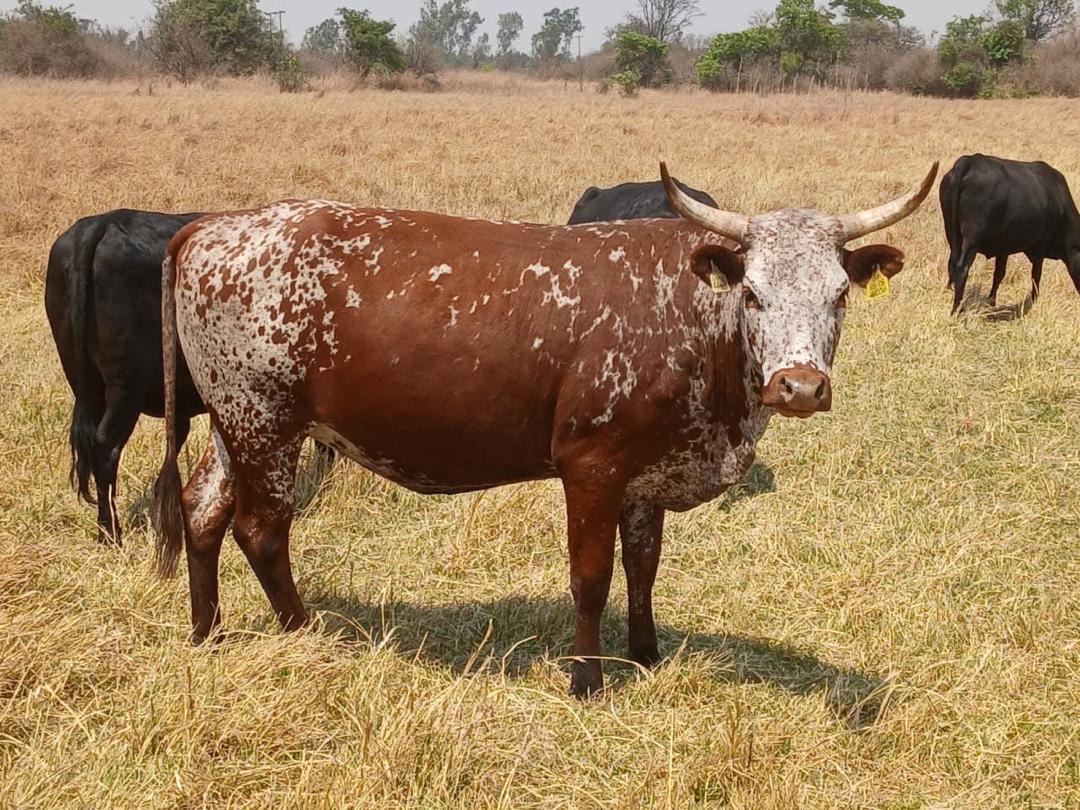
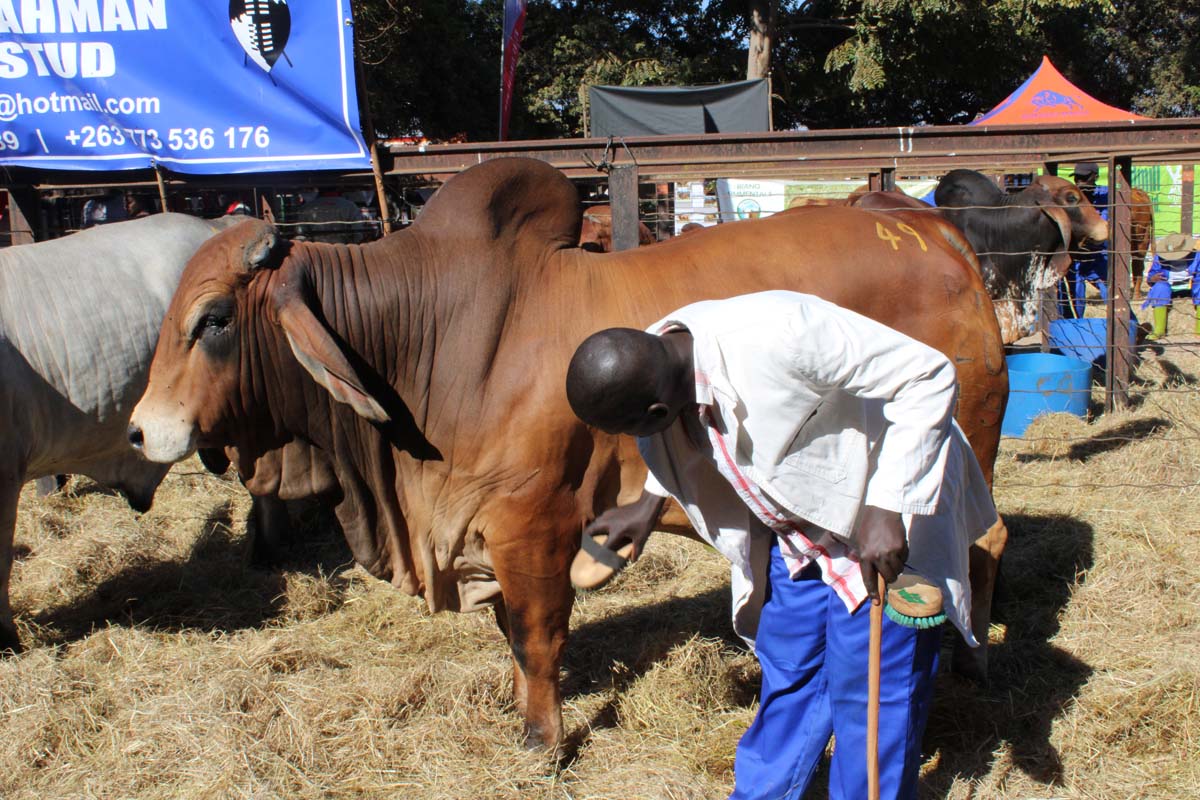
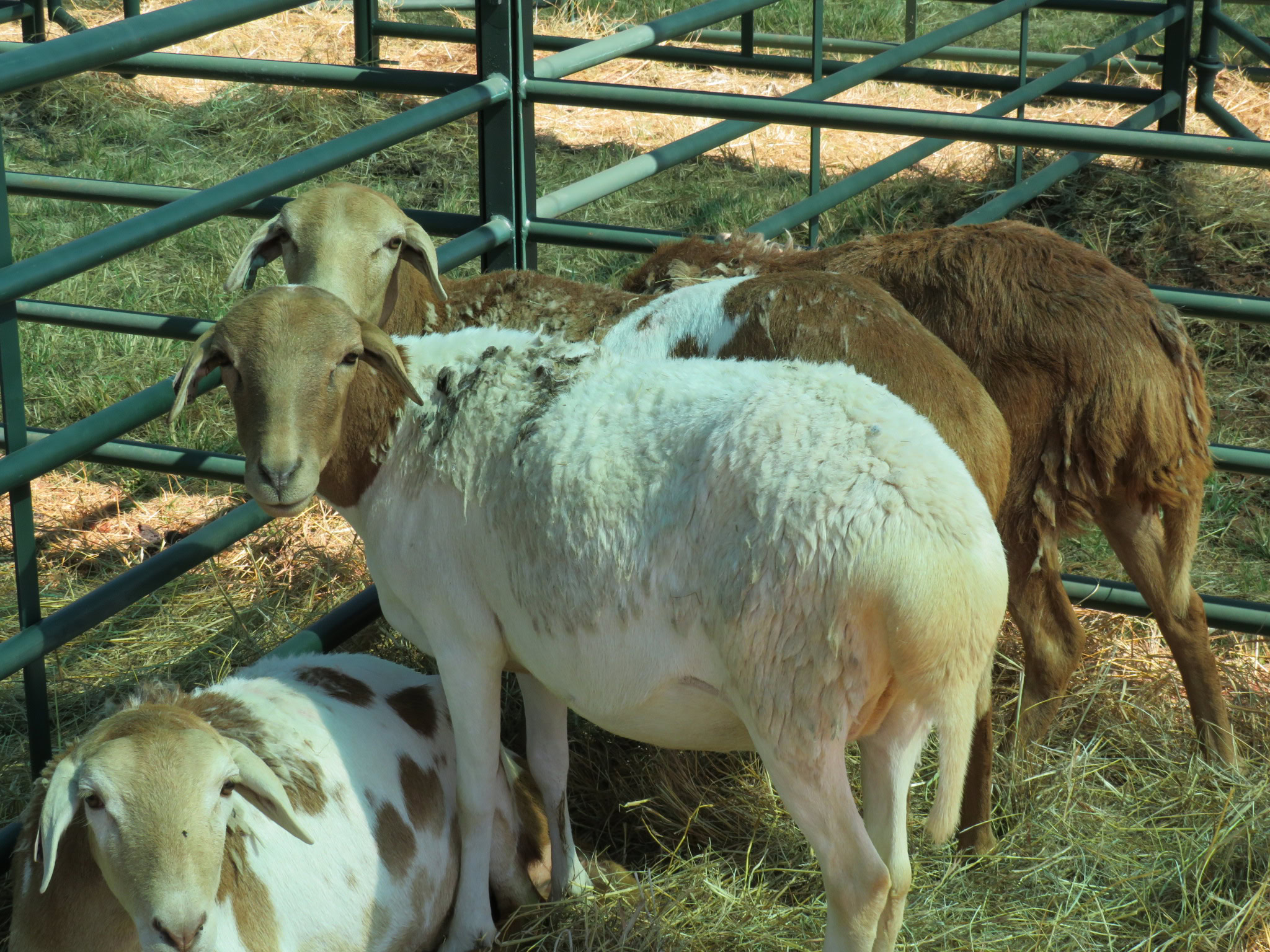
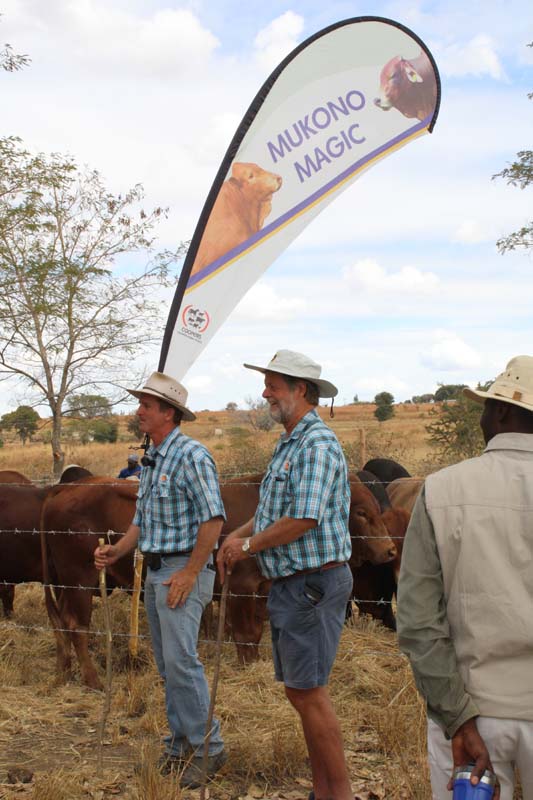
There is a recent and welcome upsurge of interest and awareness for our indigenous breeds, both from cattle breeders, both stud and commercial, and from Government.
The recent Government support for our indigenous breeds as a part of their initiative to mitigate drought conditions and make communities in drought-prone and degraded areas more self-sufficient and to improve their standard of living, is very appropriate and commendable.
Government in our country has actively supported the conservation of indigenous breeds since the 1950s and still do so, by maintaining national herds of the three breeds at Government Research Stations.
But although the superior adaptation of these breeds to our environment has always been appreciated and been verified by various research programmes over the years, the true value of our indigenous breeds as an important part of our global cattle industry has not.
Rather, they have been conserved as part of our heritage, almost as if these unique breeds of cattle were rare zoo animals, not as functional adapted animals that have always been capable of making a huge difference to our cattle production. Some of them have declined so dramatically lately that they have almost achieved that status. They are unique but are also super practical, adapted and super productive in demanding modern profit-orientated farming situations.
This is vindicated and very welcome is the growing interest in our indigenous breeds from the large cattle producing countries in the Tropics such as the South American countries, Australia and parts of the USA. They fully appreciate their value, now and for the future. If these mega beef producers see their value, perhaps we should wake up and take note.
Other than the relatively small numbers in Government herds, the perseverance and tenacity of a comparative handful of commercial breeders since the 1960s through some very difficult times has, almost miraculously, kept a nucleus of each of the three indigenous breeds going in commercial production systems. It has been touch-and-go at times, and two of the three breeds are still not wholly and safely saved in viable numbers for the long-term future. The renewed interest and practical application of indigenous breeds in our beef industry will help to increase numbers of purebreds to viable levels.
It is also commendable and fortuitous for future breeders that past breeders maintained the purity and integrity of these cattle. Past breeders’ integrity and passion are beyond dispute. Today and in the future, breeders must continue with the same principles, attitude and ethics. We must ensure that there is no deviation from these breeds as they are and have been developed by nature. There must be no compromise on natural adaptation, fertility and structural soundness.
But registered breeders must never make the mistake of allowing negative traits to develop or endure in these breeds for the sake of accepting these faults as acceptable because they have always been there in a breed. Pure breeders are custodians of a breed, and part of their responsibility is to ensure that there is continuous improvement, no matter how little, within the natural parameters which nature has created in these adapted cattle. There can be no acceptance of non-functional cattle or faults, simply because that is what they are perceived to have always been.
There will always be a growing demand for pedigree breeders with integrity and the will and passion to breed and maintain the three breeds as we know them. As indigenous breeds become more popular in commercial crossbreeding and repopulation programmes, so will the need for more pedigree cattle and their breeders become necessary.
I was recently accused for “interfering with nature” by a prominent cattle “lover”, not necessarily a “cattleman”, for advocating crossbreeding as the future for our indigenous breeds. Without any shadow of doubt, it undoubtably is for both pedigree and commercial breeders of these breeds. People with this attitude will ring the death knell for indigenous cattle. I doubt that nature will have, or want, any control over the matter when a virile indigenous Sanga bull meets an on-heat exotic Taurus heifer at a waterhole. A large part of the future and value of our indigenous breeds is with commercial cattlemen breeding composites and crossbreeds. This is already being indisputably proved in Australia, South America and the USA. Our adapted, functionally efficient indigenous Mashona, Nkone and Tuli are the future maternal component of successful and profitable cattle production over a large part of the world, and most of that will be commercial crossbreeding. This will obviously ensure the future of seedstock breeders. It will be difficult to get into the export market, but we must do our utmost to exploit this.
Another important part of their future is the role of the improved indigenous breeds in their original home areas where they will have a huge impact on productivity and standard of living in droughted and degraded rural areas. They will survive and produce better than many of the cattle now being kept there. There are still remnants of the original three breeds in some rural areas which can be strengthened and multiplied by the introduction of improved indigenous bulls. Pure original genetics from remote areas should be used to create new bloodlines and expand new and existing pedigree herds. I encourage stud breeders to help enable this, both for their own benefit and that of suitable rural areas, the breeds and the country.
We must all appreciate the different roles that our indigenous cattle can play in the future global cattle industry, purebred, composite or crossbreed, our indigenous breeds can play a major part. We must produce adapted, functionally efficient indigenous breeds with all the superior traits that they have without making the mistake of either selecting future breeding stock by over-measuring a plethora of unnecessary performance traits or selecting for otherwise totally pointless cosmetic attributes and we will succeed. We must stick to the fundamentals.
Strict selection for just the “F” trait will automatically select for many other attributes that go hand in hand with fertility. Fertility is paramount to success, and one only needs to select for a few other traits. Most of an animal’s functionality and important traits and characteristics depend on fertility and will occur naturally in a fertile animal.
Nature has done a far better job than we have achieved with our modern technology. In fact, in many cases we have destroyed perfect breeds originally designed by nature by over-“improving” them.
A balanced selection of a few important, measured traits together with sensible breeder assessment by eye will keep these breeds on the right track and valued and sought after by a growing market. We must never make the mistake of deviating from their basic important natural attributes to try to change or “improve” them to fit some market niche, perceived or otherwise.
Nutrition is very important and performance will be poor without sufficient balanced nutrition. Even the best adapted functional cows cannot be efficiently productive on inadequate nutrition, whether it is natural grazing alone or supplement on natural grazing. The best adapted cattle cannot perform on a diet of gravel and tree bark.
We all know the most important natural attributes of our indigenous breeds without having to go into detail here. We must just persevere in selecting for that handful of functional attributes to enhance, but never change them, from what has been designed naturally by The Creator and master breeder for their specific environment.
By George Hulme
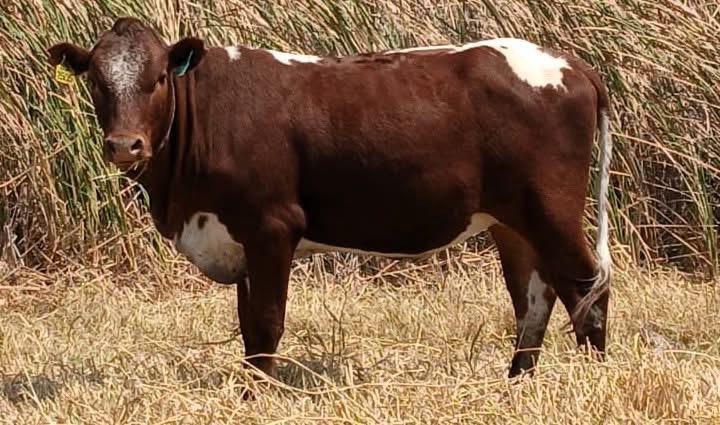
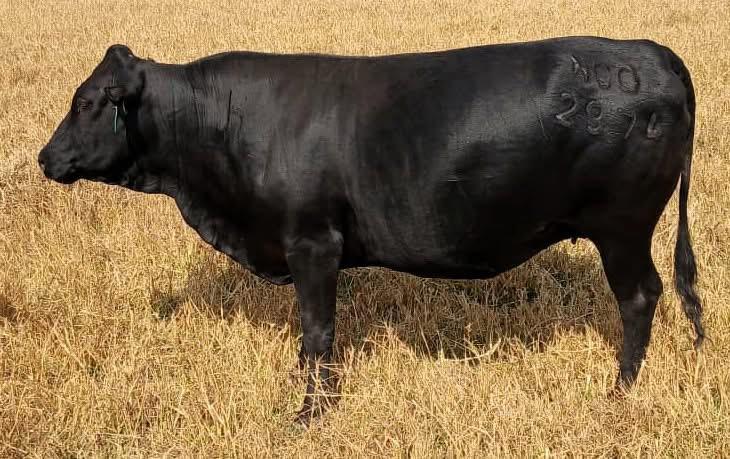
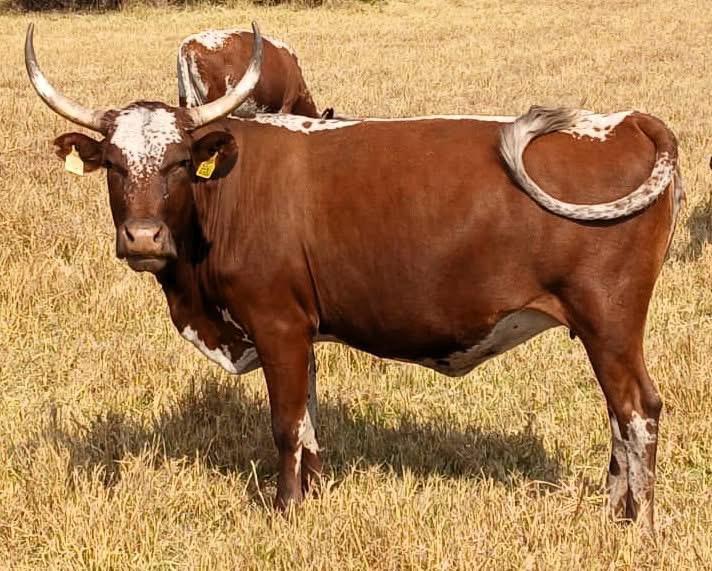
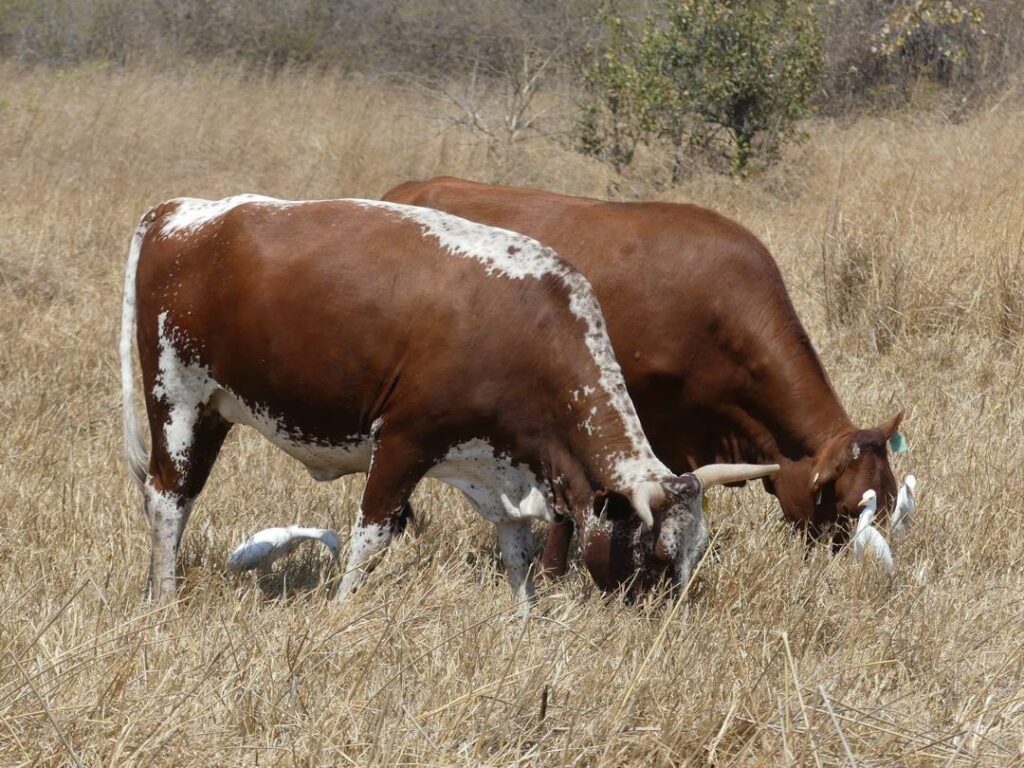
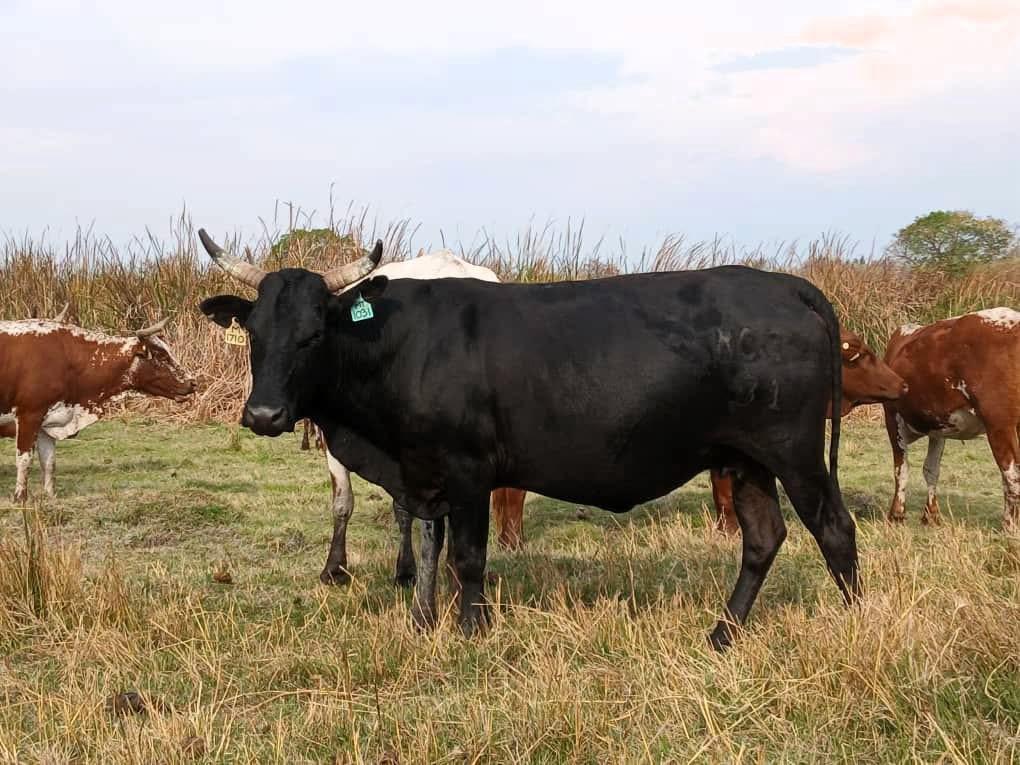
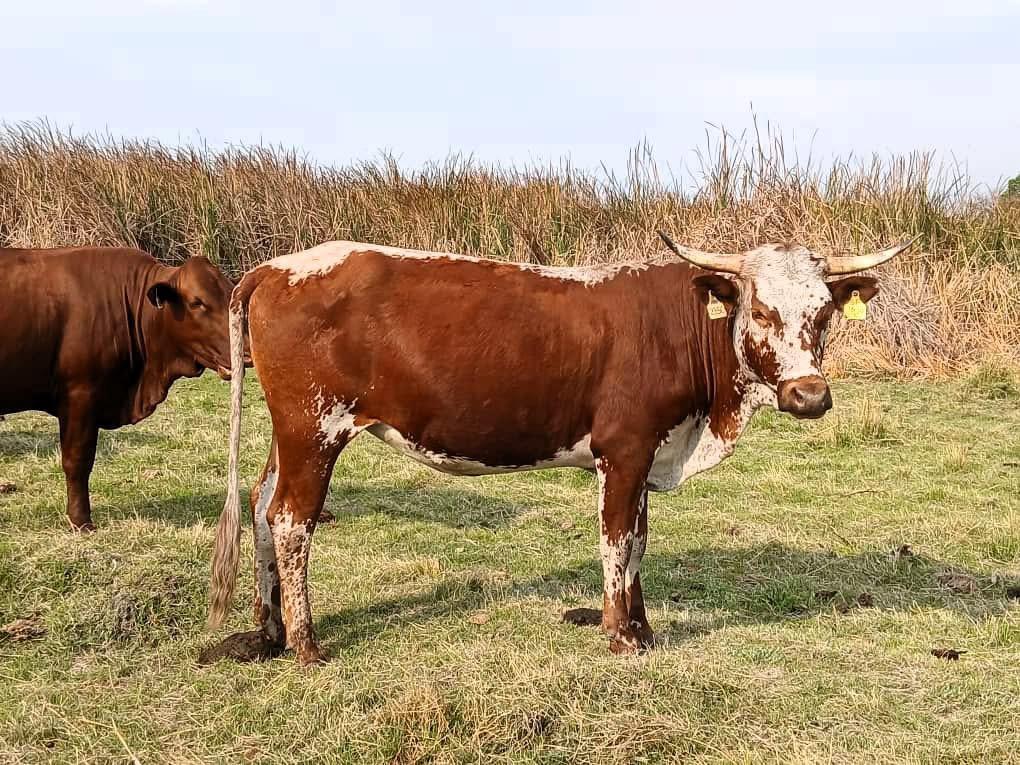
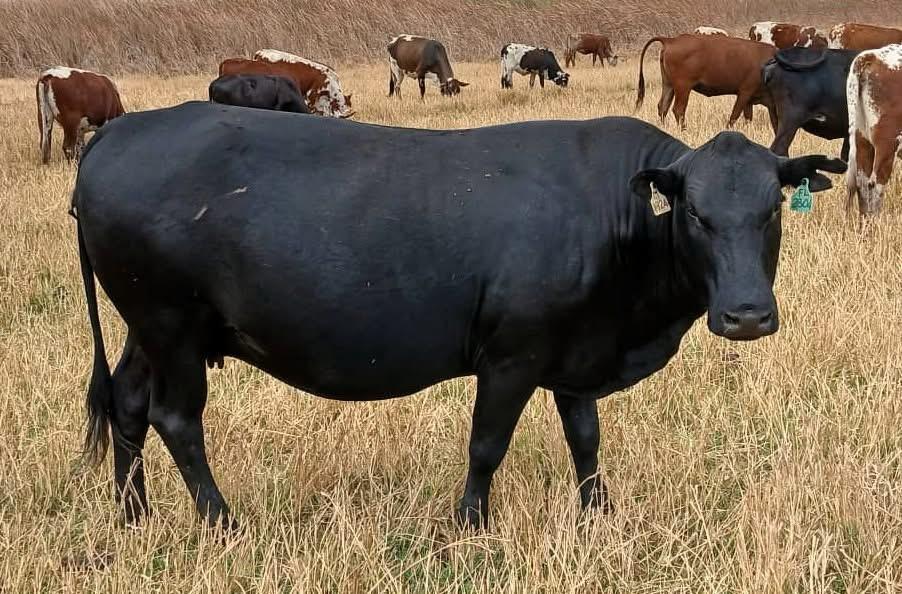
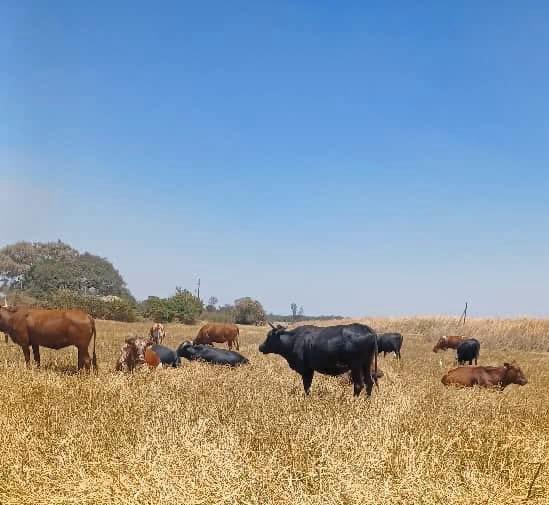
Photos taken by Japhet Sithole and Advance Sumbana

Related Content