
In conversation with the founder of Rockcraft Mushrooms
Building a local mushroom value chain
From pharmaceutical sciences to mushroom cultivation, Dr Erik R. Hebels-Lung is applying his scientific expertise to an ambitious venture aimed at developing Zimbabwe's mushroom industry from the ground up.
Zimbabwe's mushroom industry has considerable potential, but developing a sustainable commercial sector requires more than simply establishing mushroom-growing facilities. Behind every successful crop is a supply chain involving quality spawn, suitable growing substrates, controlled production environments and reliable markets.
For Erik, founder of Rockcraft Mushrooms, the opportunity lies in developing these elements locally and establishing a value chain that can support existing growers while opening the door to new species and products.
With a PhD in pharmaceutical sciences and drug innovation, Erik's route into mushroom production was perhaps unconventional. Having worked in the pharmaceutical industry in the Netherlands, he developed an interest in mycology (the study of fungi) around six years ago. What began as a scientific interest gradually developed into a business concept.
Two years ago, he began planning the operation, initially establishing a small laboratory in his apartment in the Netherlands, where he experimented with cell culture techniques and the cultivation of mycelium.
His scientific background meant that setting up a laboratory was not unfamiliar territory. The challenge was to translate that knowledge into a commercially viable operation in Zimbabwe.
"I love the science," he explains, although the corporate environment of the pharmaceutical industry was less appealing. He preferred the freedom to develop ideas and follow the science and wanted to apply these skills in his home country, Zimbabwe.
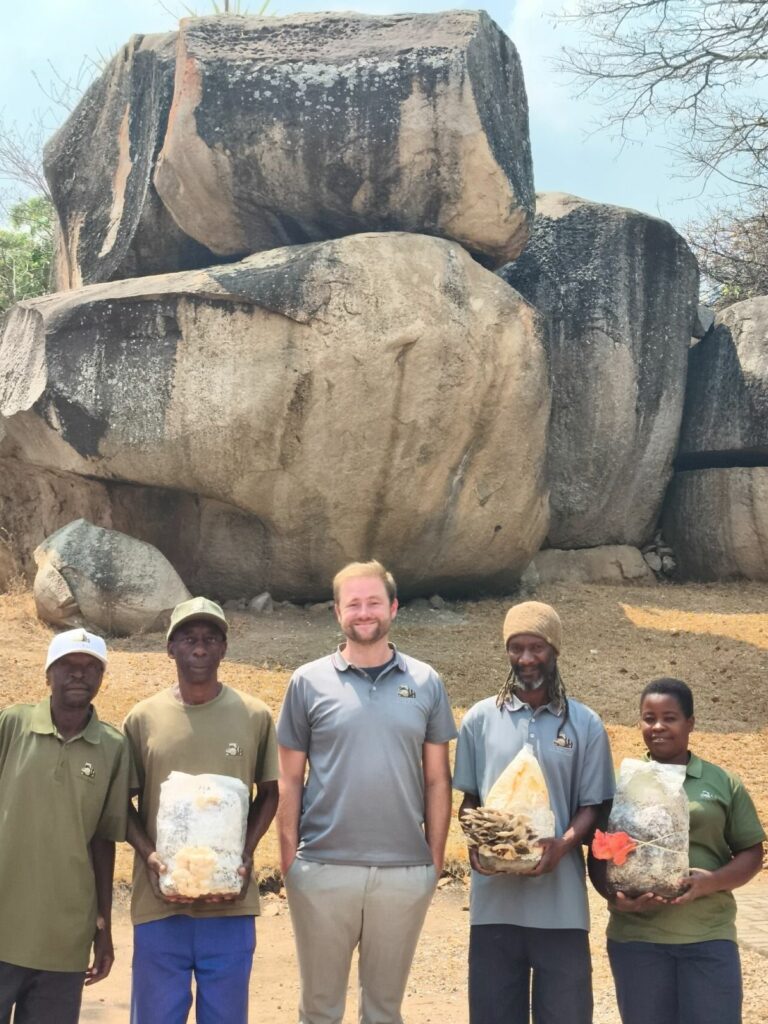
The result is Rockcraft Mushrooms, a specialist operation with a current team of six people
whose primary focus is the production of mushroom spawn, with controlled environment mushroom cultivation providing an opportunity to test its products and demonstrate what can be achieved with good-quality inputs.
Starting with the foundations
One of the less visible, but particularly important, aspects of mushroom production is spawn.
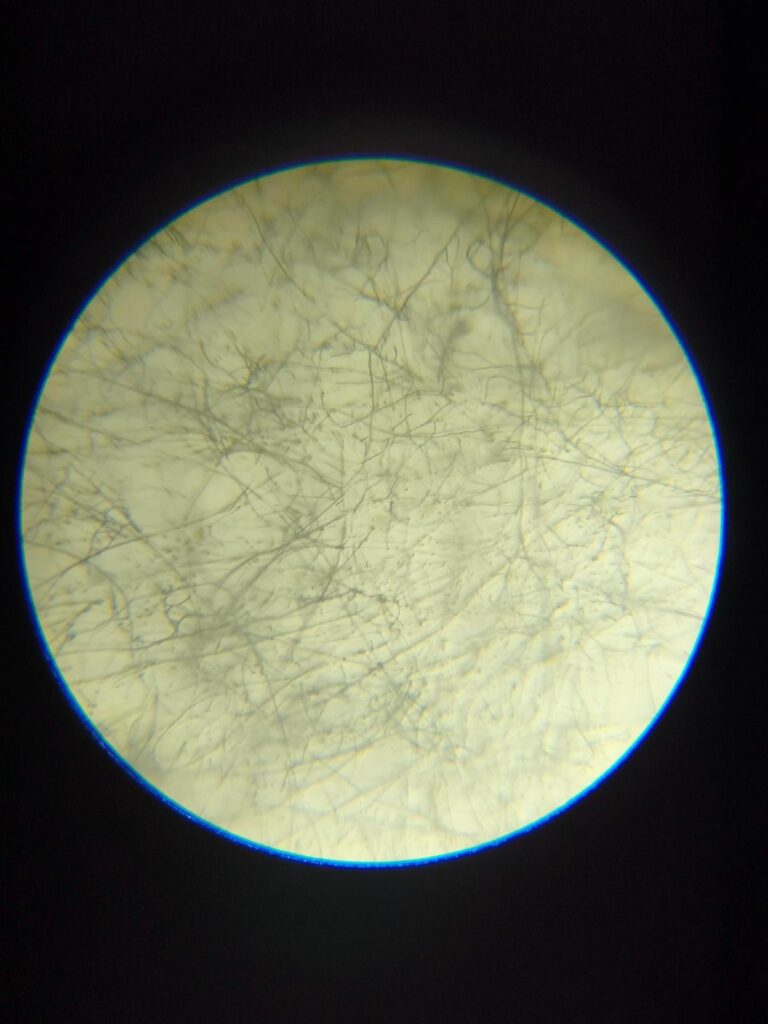
In simple terms, spawn is the equivalent of seed in conventional crop production. It consists of grain colonised by mycelium, the network of fungal threads from which the mushroom develops. Once introduced into a suitable growing substrate, the mycelium spreads through the material and consumes it before eventually producing mushrooms that release spoors to produce new generations.
While Zimbabwe has a number of small-scale mushroom growers, the supply of spawn has traditionally depended heavily on imports from South Africa. Erik sees this dependence as a significant vulnerability. "Right now, all the spawn originates from South Africa. If they stopped importing, within two months we would have no mushrooms in the country."
Transporting a living biological product across borders presents its own challenges. Temperature fluctuations, delays and inconsistent handling can affect the quality and viability of spawn before it even reaches the grower.
Establishing local production is more than a matter of convenience, it provides growers with a closer, more reliable source of an essential production input.
Rockcraft has invested in the laboratory infrastructure required to produce spawn under controlled conditions, including autoclaving equipment for sterilisation, laminar airflow systems, filtration and environmental controls.
Its production method uses laboratory liquid culture to establish first-generation spawn directly onto sterilised grain, rather than relying on the practice of expanding imported spawn through successive grain-to-grain transfers. While grain-to-grain expansion is an established method and not inherently problematic, maintaining sterile conditions and minimising environment exposure
throughout the process is essential to minimise contamination.
Erik believes that producing first-generation spawn locally offers growers a more reliable starting point. "We want people to have a better product that is locally available and comes straight out of the incubator onto the farm. That's how you get the best vigour, the best results and the least chance of contamination."
Rockcraft's primary customers are existing mushroom growers rather than individuals starting from scratch. The company provides advice to its spawn customers from its own experience, particularly those interested in experimenting with different species.
Its immediate priority is to maintain consistent production, improve output and build confidence in the quality of their locally produced spawn before expanding into more formal training programmes.
Quality versus price
The economics of mushroom production present another challenge. Erik describes the existing oyster mushroom market as highly price-sensitive, with a history of producers frequently undercutting one another to secure sales. Wholesale oyster mushrooms are currently selling for around USD 4/kg, a price he believes makes it difficult for growers to maintain high production standards.
In his view, the emphasis on producing at the lowest possible cost has contributed to inconsistent quality across parts of the industry. Oyster mushrooms are relatively forgiving and can still produce a crop under less-than-ideal conditions. However, commercial production benefits considerably from proper temperature management, environmental control, hygiene and effective pest management.
In Zimbabwe, fly control is a particular challenge, requiring considerable attention to physical barriers and prevention. Rockcraft avoids using chemicals in its mushroom production, relying instead on hygiene and physical control measures.
Erik is also cautious about making organic claims, pointing out that the growing substrate itself needs to be considered. Commonly used substrates include wheat straw and cottonseed hulls, and the production history of these materials is not necessarily known. Simply avoiding chemicals during mushroom cultivation does not automatically make the finished product organic.
For Rockcraft, maintaining quality is more important than competing purely on price. "I think we need to find the right balance between quality and price. But I would rather be forced to charge a higher price and maintain the quality than compromise on it."
He believes that introducing different mushroom species could also help broaden the market and create opportunities for growers to move beyond the price pressures associated with conventional oyster mushrooms.
Introducing new species
Currently, Zimbabwe's cultivated mushroom selection is relatively limited, with grey oyster, white button and brown button mushrooms accounting for most production.
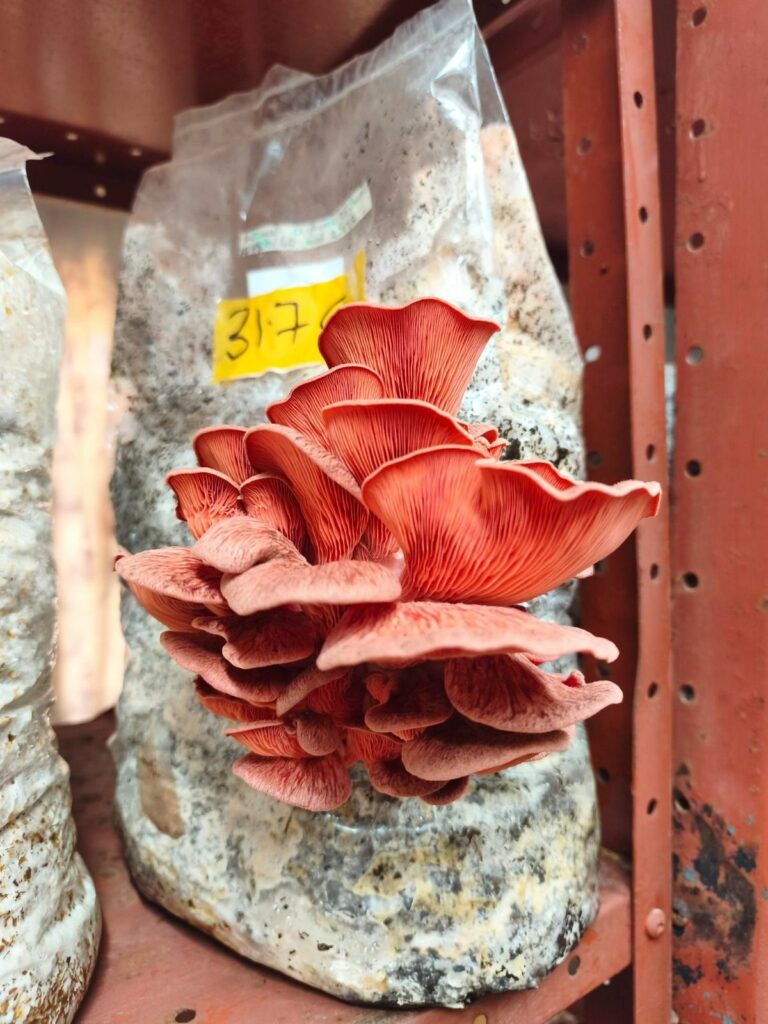
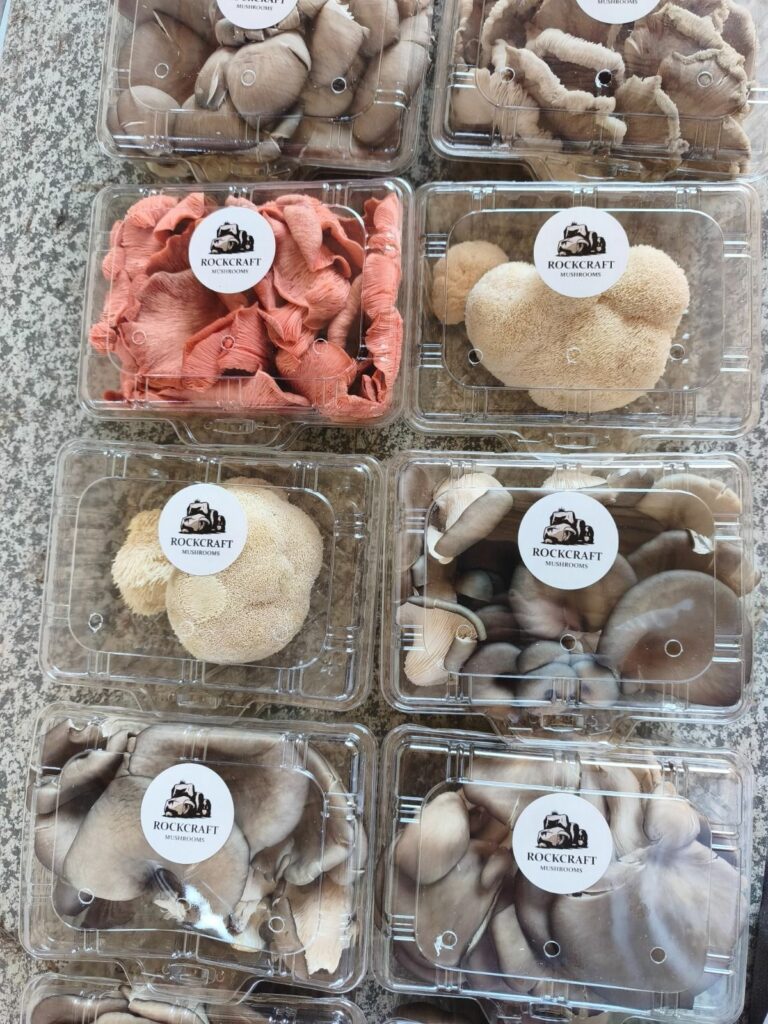
Rockcraft is working to expand that range, experimenting with pink, blue, yellow, king, Pearl and black oyster varieties, alongside medicinal mushrooms like Lion's Mane, Reishi, Cordyceps and Turkey tail. “We have about 20 different species in our culture lab which we will be rolling out both in form of fresh mushrooms demonstrating feasibility and of course spawn.”
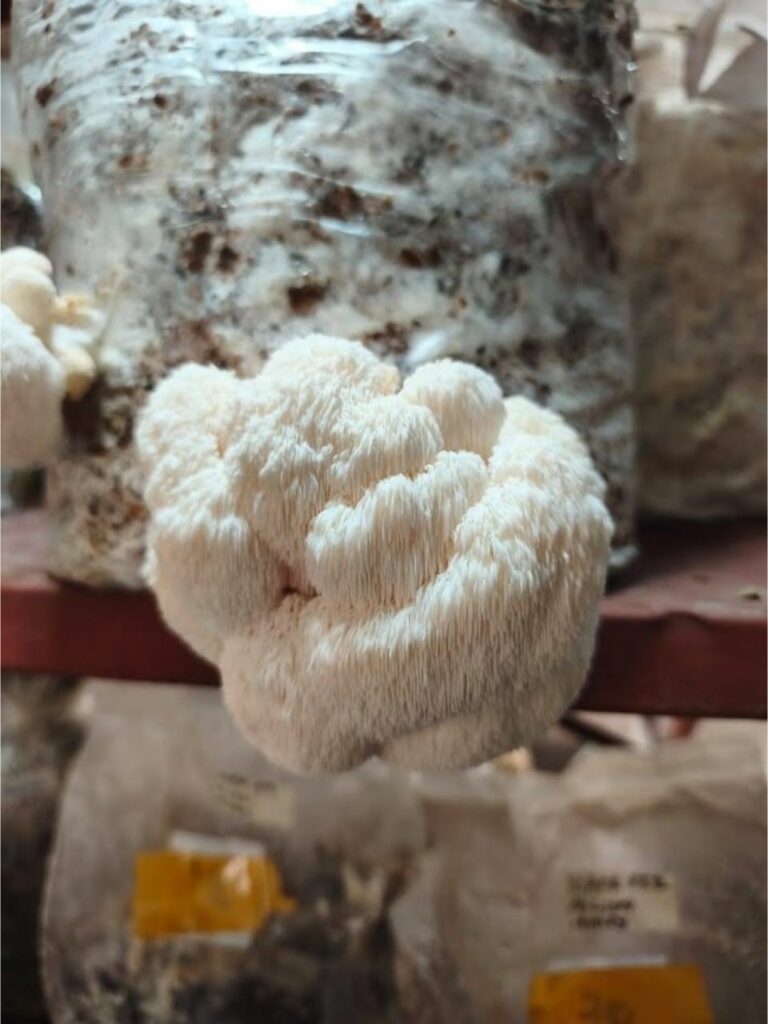
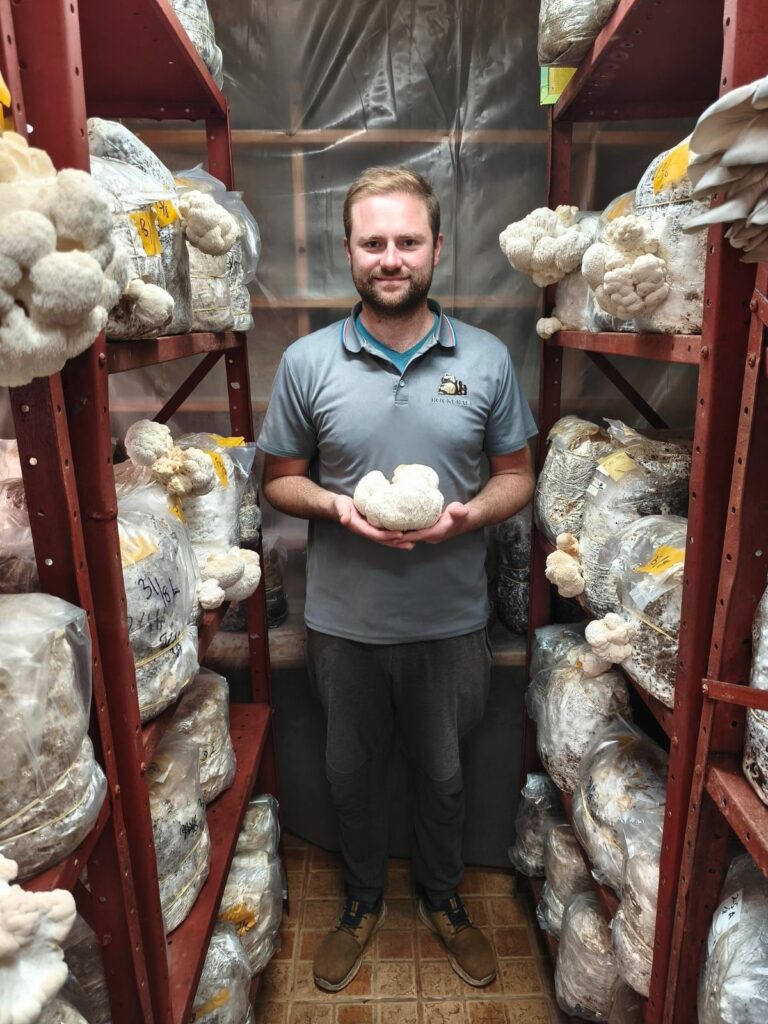
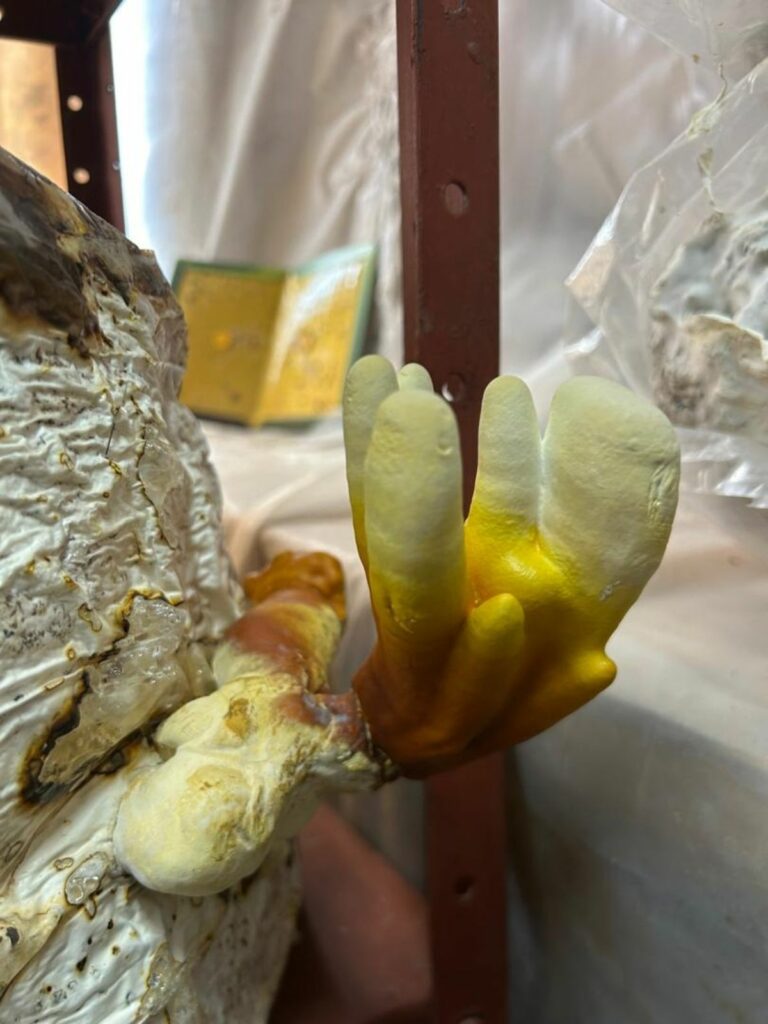
Lion's Mane is particularly interesting because of its growing international profile in the functional food and wellness markets. Unlike the conventional mushrooms most Zimbabwean consumers are familiar with, Lion's Mane has a distinctive appearance, with cascading white spines resembling a lion's mane. It is also attracting interest for its nutritional and potential health-related properties such as improved cognitive function.
Producing it locally has not been without challenges. Lion's Mane and several other medicinal mushroom species ideally grow on hardwood substrates such as oak and beech, which are not readily available in Zimbabwe. This has required experimentation to identify suitable locally available alternatives.
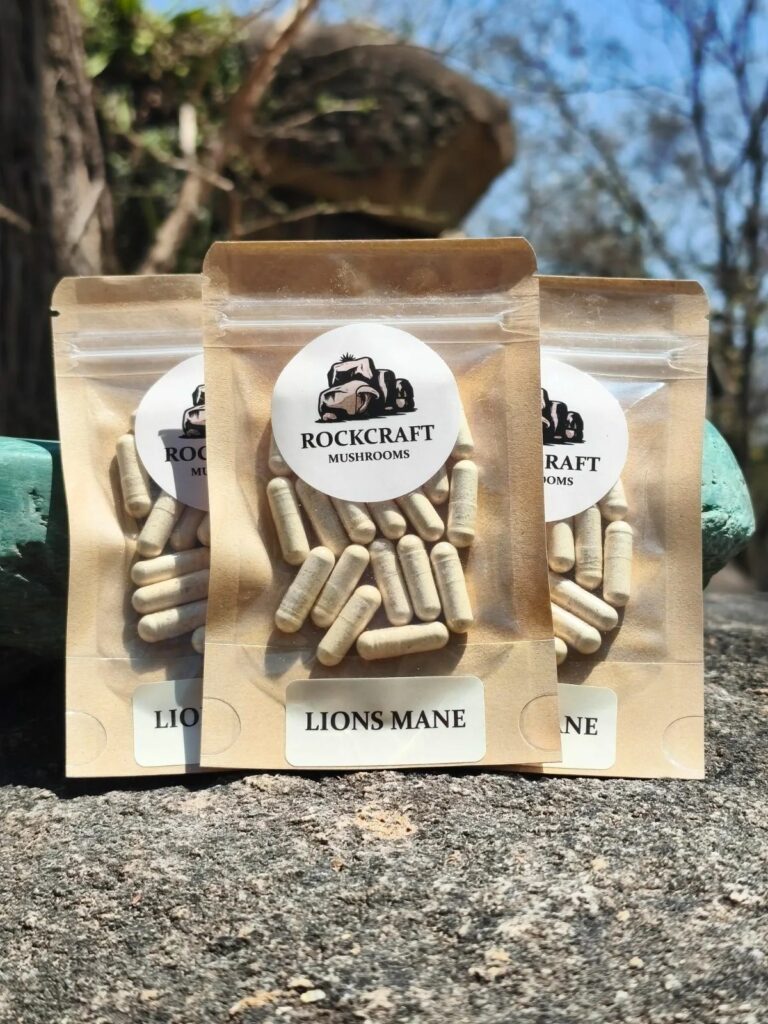
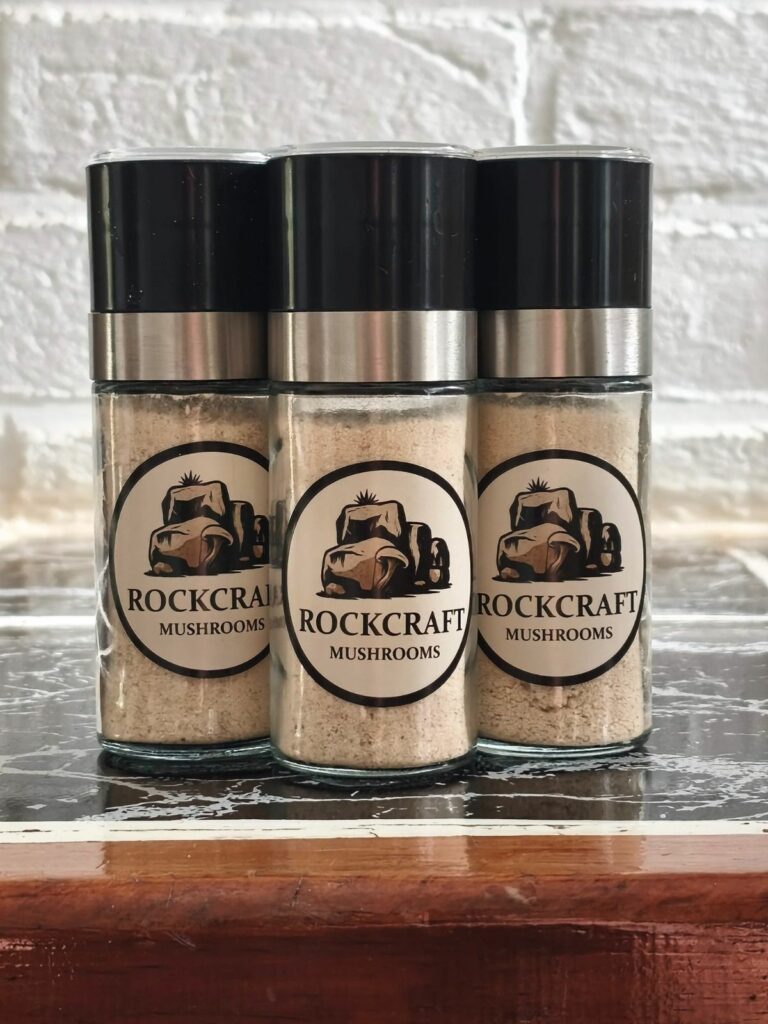
Rockcraft is now producing fresh Lion's Mane, which Erik says makes it the only producer currently offering the fresh product in Zimbabwe. The company has also developed locally produced Lion's Mane food capsules consisting of 100% pure fruiting body, providing an alternative to imported supplements and powdered products.
Fresh mushrooms present particular challenges in terms of shelf life, preservation and distribution. Production costs are also relatively high, making affordability an ongoing consideration. This is why value-added goods are of particular interest for further development and typically nothing gets wasted.
Excitingly, a further new local strain for a locally grown mushroom is in development, although Erik is keeping the details under wraps until the production and pricing arrangements have been finalised.
Developing production capacity
Although still in the early stages of its commercial development, Rockcraft has invested in infrastructure that allows for considerable expansion.
Its incubator has the capacity to hold two tonnes, with a potential spawn production capacity of up to 500+ kg per week. “We want to be ready to meet the demand to replace the existing South African imports, and I think our new strain will be key to this.”
Additional equipment is expected to increase capacity and capabilities further, allowing the business to expand spawn production as well as the manufacture of fruiting blocks and fresh Lion's Mane and value-added products.
Fruiting blocks are prepared substrate bags that have already been colonised by mushroom mycelium. Once the blocks are fully colonised and the conditions are right, the blocks produce the fruiting bodies. These are the mushrooms that are harvested and sold.
While Rockcraft grows most mushrooms to test its spawn and demonstrate production standards, Erik is clear that the longer-term focus is on developing the spawn business and supplying local growers. The company’s own commercial mushroom growing focus will be primarily towards medicinal species such as Lion’s Mane in future.
The company also has an established retail presence, with products available through Harry's and other outlets, while working with local distributors to reach consumers.
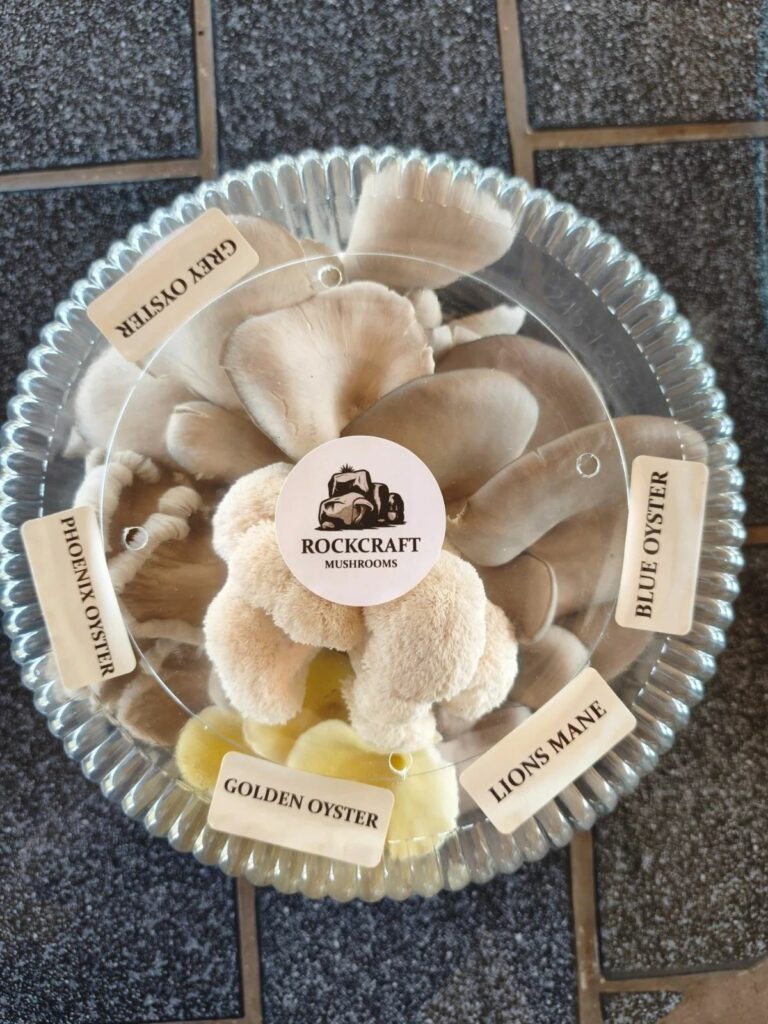
It has recently adjusted its arrangement with Harry's so that customers pay the same price as they would when purchasing directly from Rockcraft. The ‘discovery bouquet’ with various species are also being supplied to encourage customers to try the mushrooms (especially in a risotto) and become familiar with the range. “We are the only producer in Zimbabwe to supply up to five cultivated species in one package. It is small scale but nonetheless a tribute to demonstrating local capability and possibility.”
Building awareness is an important part of the process. Rockcraft regularly shares videos from its fruiting room, giving followers an insight into the production process and the different species being cultivated.
For Erik, transparency is one way of building confidence in locally manufactured products.
Changing perceptions
Furthermore, an underlying theme throughout the conversation is the need to change perceptions about locally produced goods as inferior with unreliable quality and production systems.
Zimbabwe's mushroom sector has developed largely around small, decentralised producers, many of whom rely on imported spawn and operate on tight margins. Introducing a locally produced first generation spawn alternative means competing with established import supply chains and businesses that have already invested in particular grain to grain production systems.
Erik acknowledges that there can be resistance to change, particularly where existing businesses have a vested interest in maintaining their current arrangements.
However, he does not see Rockcraft's role as displacing small-scale producers or existing spawn expanders. Rather, he hopes to provide a reliable, high-quality local source that strengthens the wider industry.
He is also keen to share knowledge rather than treat the science behind production as a closely guarded secret."We are happy to share information. It's not about gatekeeping. Besides, our expertise comes through our experience and by the time someone catches up, we will already have something new.”
He believes that greater participation, more species and improved production standards will ultimately benefit the market as a whole.
There are also broader questions around traceability, quality assurance and regulatory oversight. As the sector develops, clearer standards and greater consistency in how mushrooms are produced and marketed will become increasingly important in building consumer confidence.
For Erik, these are issues that deserve greater attention as the industry moves towards more structured commercial production.
A long-term investment
Rockcraft is about to complete its first year of commercial operation. Erik is realistic about the financial implications of establishing a specialist operation in a relatively small market.
"Naturally, we haven't even completed our first year yet. We haven't seen a return on investment. If you're simply looking at it from a financial perspective like putting money into something and wanting to get money back out, I suppose micro finance would be a quicker way of making money!"
The comment is delivered with humour, but it reflects the reality of investing in an industry that requires considerable groundwork before the returns become apparent. “We are doing this for the long-term and fungi are going to be a big part of the future, not just for food.”
His ambition is not simply to grow mushrooms, but to establish the expertise and infrastructure that will allow Zimbabwe's mushroom sector to develop with greater independence and a wider range of products. It is an approach that places science, quality and local value addition at the centre of the business.
And while the immediate focus is on getting the foundations solid and up to international standards, Erik is clearly thinking well beyond the next harvest.

Related Content


