
Government puts indigenous genetics at centre of livestock transformation
Zimbabwe is preparing to place indigenous cattle genetics at the heart of its livestock development strategy, with Government developing a new programme to conserve, multiply and make locally adapted genetics more accessible to smallholder farmers.
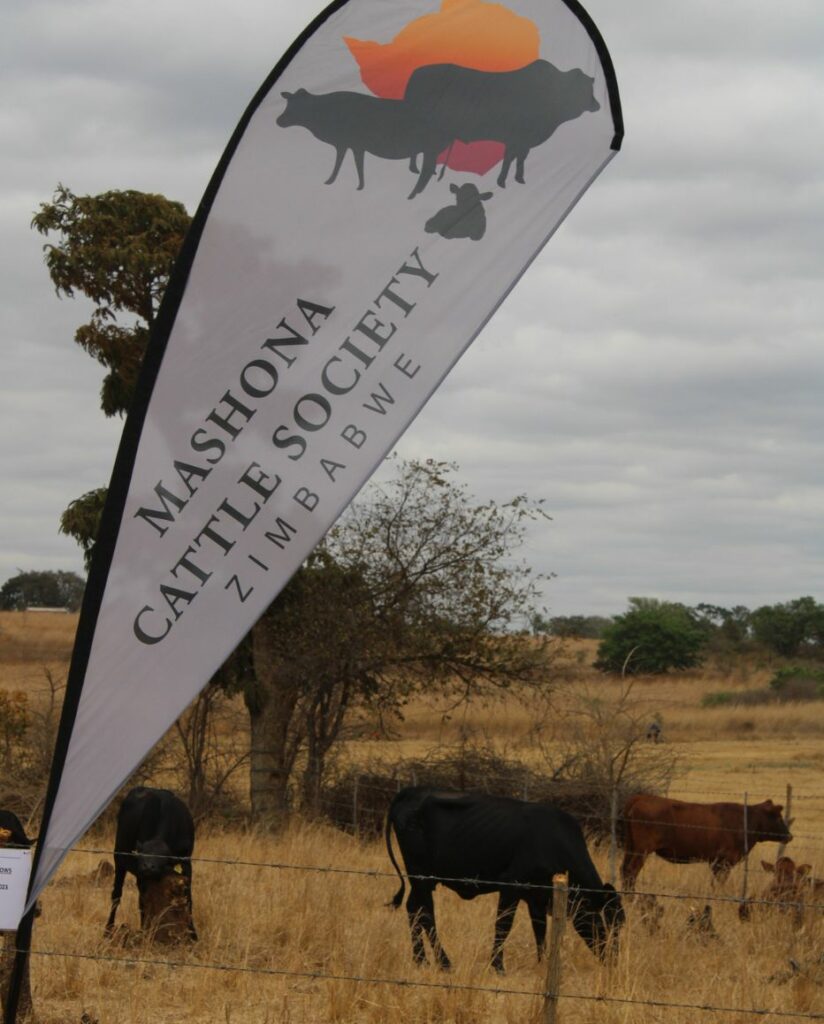
Speaking at a Mashona Cattle Field Day at Portelet Estates in Makonde District, Mashonaland West, Director for Livestock and Fisheries Production Milton Makumbe said indigenous breeds must form the foundation of cattle production in Zimbabwe’s smallholder sector.
He said the approach was driven by the need to develop cattle that could remain productive under Zimbabwe’s increasingly difficult climatic and production conditions.
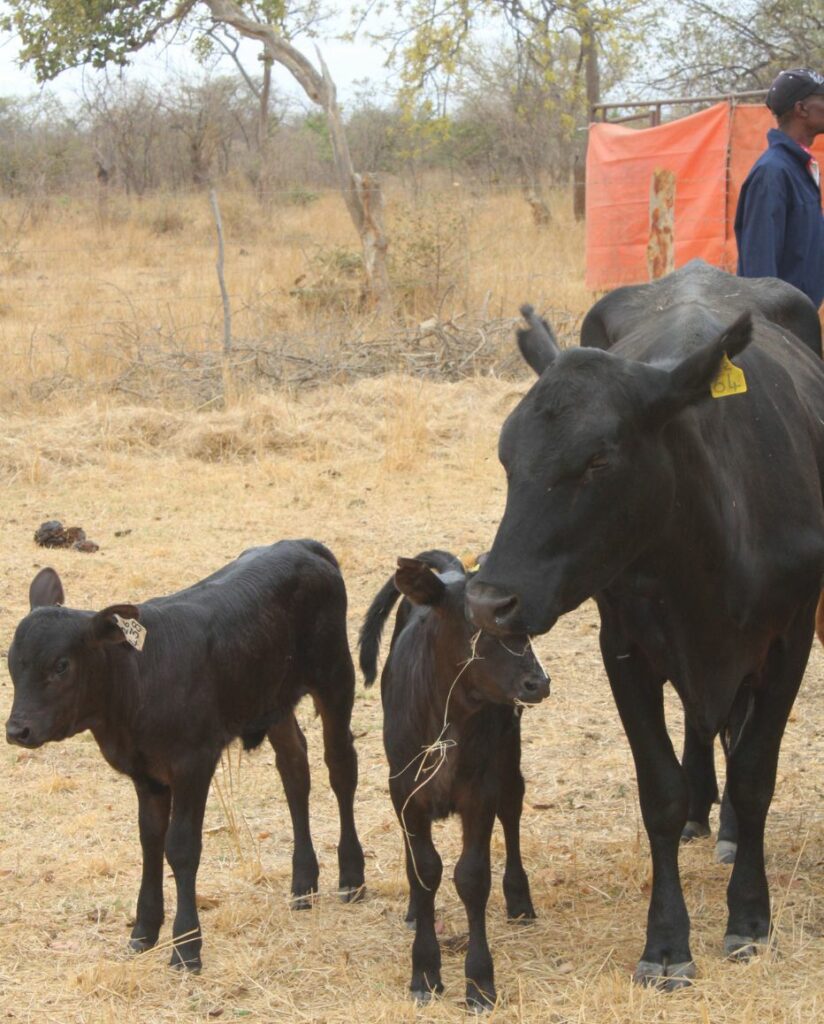
“Indigenous livestock must form the base breeds for livestock production in the smallholder sector,” Makumbe said, arguing that breeds such as Mashona, Nkone and Tuli had developed characteristics suited to local conditions, including drought tolerance, heat tolerance, resistance to local parasites and high fertility under low-input systems.
His comments come as farmers face increasing pressure from erratic rainfall, drought, declining grazing and water resources, as well as animal health challenges including tick-borne diseases and Foot-and-Mouth Disease.
Makumbe said Zimbabwe’s livestock strategy should not reject crossbreeding, but rather ensure that indigenous cattle remain the maternal foundation of genetic improvement.
“We must improve productivity while retaining the hardy characteristics that make our indigenous breeds suitable for local environments,” he said.
Mashona performance under scrutiny
Makumbe pointed to more than five decades of research at Matopos Research Institute as evidence of the potential of the Mashona breed.
Research conducted from the 1960s through to the 1990s compared Mashona cattle with imported breeds including Brahman, Charolais, Afrikaner and Sussex under low-input conditions.
According to Makumbe, Mashona cattle recorded higher fertility, better calf survival and greater kilograms of beef per hectare than the exotic breeds tested. He also highlighted their earlier age at puberty and ability to produce more calves per cow under local rangeland conditions.
He paid particular tribute to Mashona stud breeders for keeping the breed at the forefront of Zimbabwe’s indigenous cattle movement.
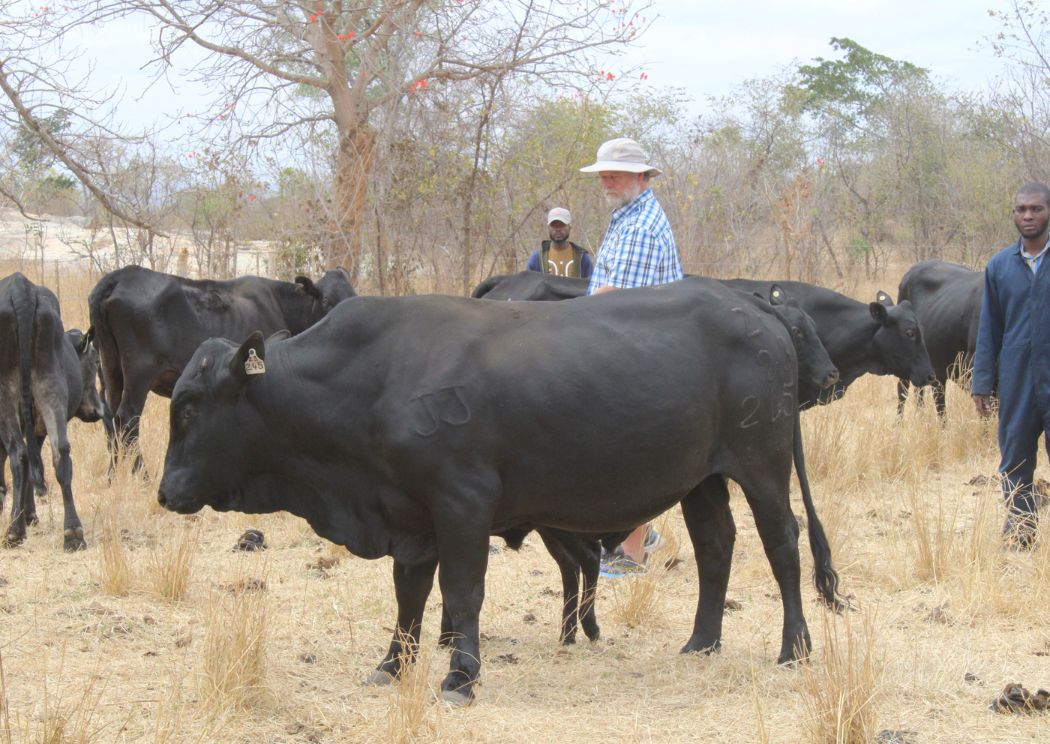
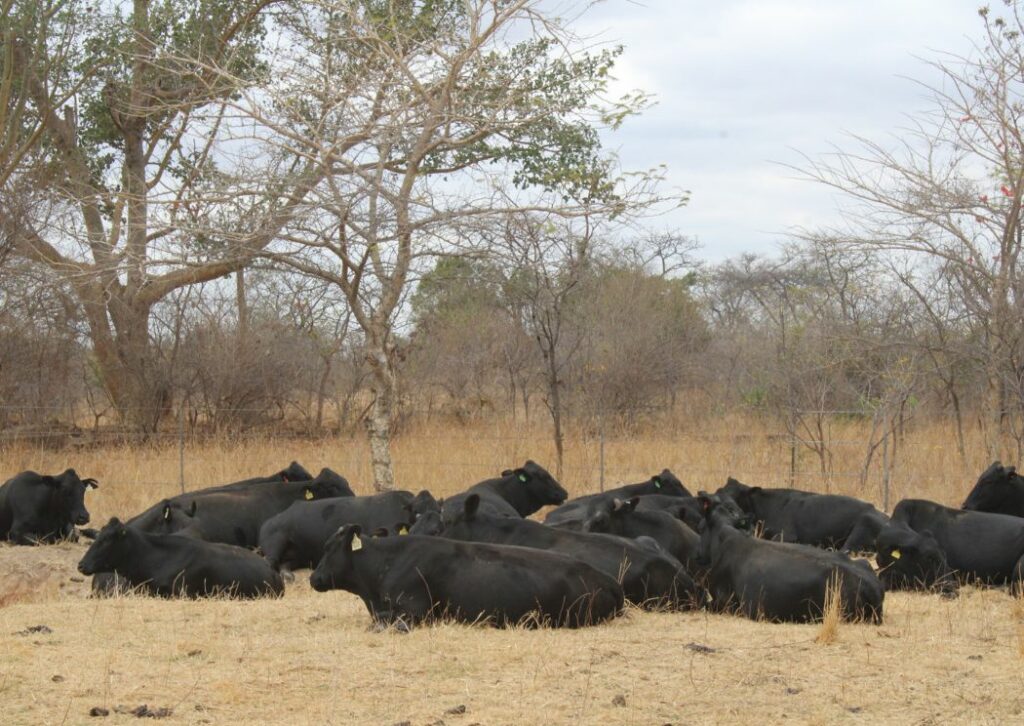
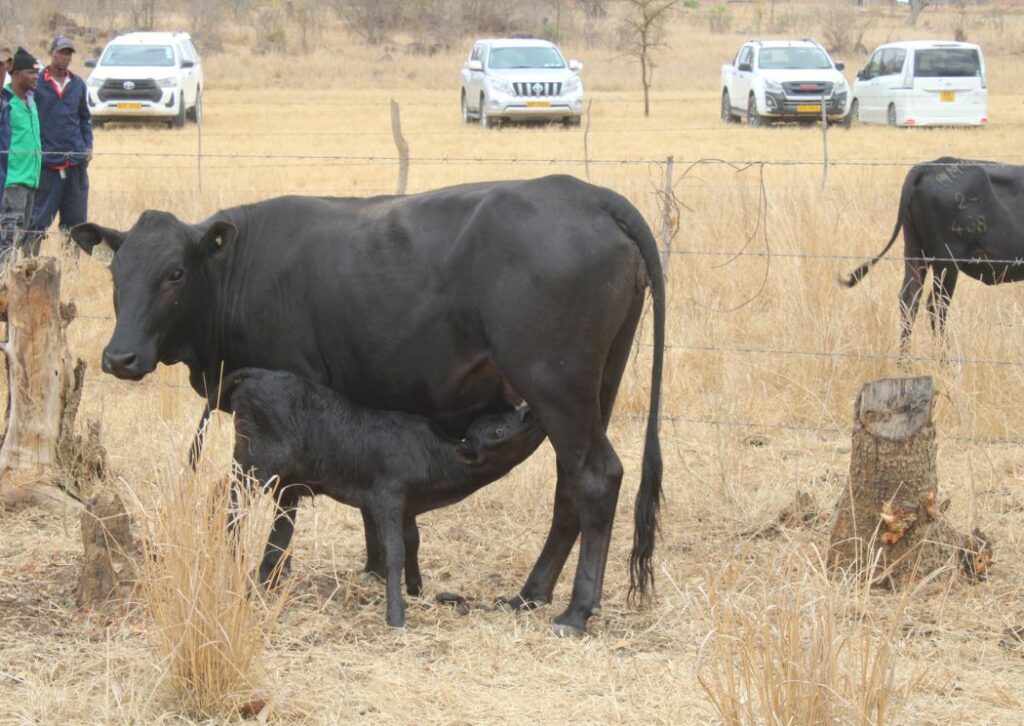
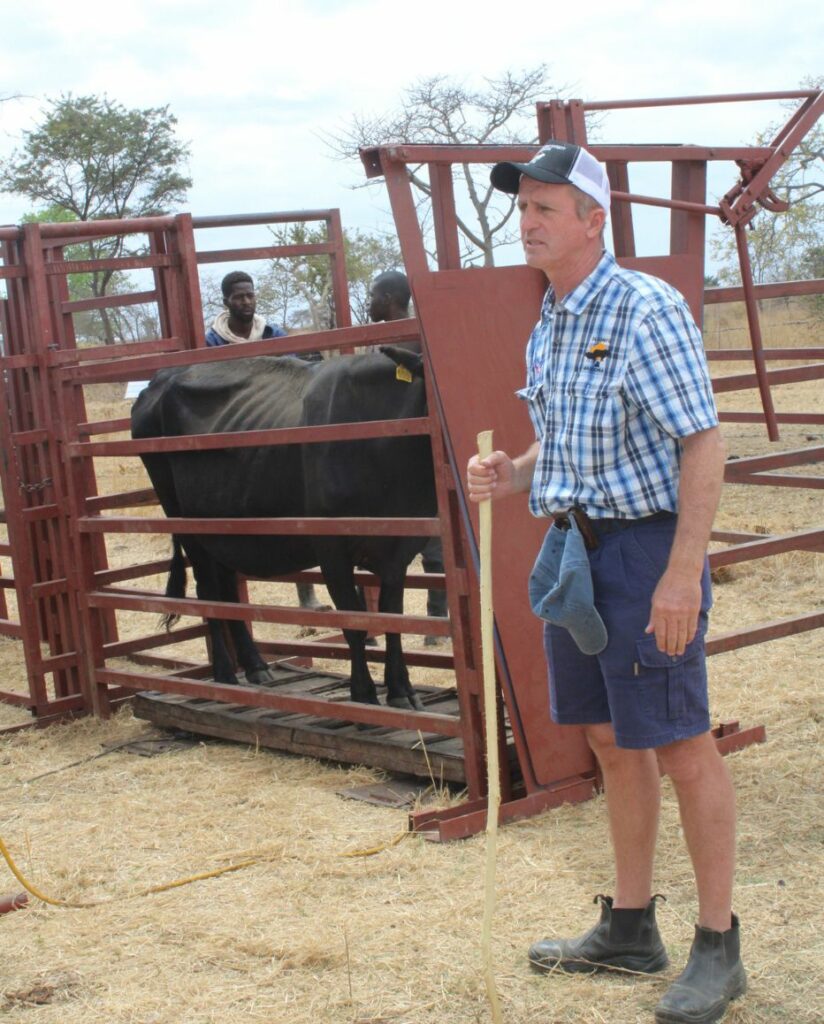
The field day at Portelet Estates provided a practical demonstration of the concept, with Mashona and Tuli herds managed on natural veld grazing with minimal purchased inputs.
Makumbe described Crawford’s system as evidence of the importance of the maternal cow in a crossbreeding programme.
“When we use a highly adapted indigenous maternal cattle base, like the Mashona, Nkone or Tuli, the dam line maintains her condition, raises a robust calf, and reconceives rapidly,” he said.
Zimbabwe IndiGene Programme proposed
The Government is now looking to take the concept beyond individual farms through the proposed Zimbabwe IndiGene Programme (ZIP).
Makumbe said the programme was being developed to place indigenous genetics at the centre of national livestock productivity, while improving access to superior genetics for communal and smallholder farmers.
A key component will be the use of Matopos Research Institute as the national gene bank, with Government and private-sector partners identifying superior indigenous bulls for semen collection.
Government is also proposing a semen-sharing arrangement under which farmers providing suitable bulls would retain 60% of the semen, with 40% allocated to the National Artificial Insemination Programme.
Makumbe said quality indigenous bulls would be sourced through established breed societies as well as identified within communal herds, with DNA analysis being used to confirm indigenous genetics.
The Government has already undertaken national mapping of indigenous cattle breeds to determine where particular genetics are best suited.
The initiative has received support from Shangani Holistic Ranch, which, Makumbe said, had offered 50 Nkone bulls for semen collection to help build a diverse genetic base for reintroduction into communal areas.
Tackling Zimbabwe’s low calving rate
Makumbe also highlighted Zimbabwe’s national calving rate, which he said currently stood at only about 40%, describing this as unacceptable.
Government is encouraging communal farmers to reduce excess and non-productive bulls in their herds, freeing up grazing resources while creating an opportunity for more structured breeding programmes based on quality genetics.
The strategy will combine natural breeding with artificial insemination, allowing farmers to access improved genetics while retaining breeding systems suited to their individual circumstances.
Makumbe said genetic improvement would also have to be accompanied by changes to the way cattle are marketed.
New carcass grading system planned
Government is working on a revision of Zimbabwe’s national carcass grading system to ensure indigenous cattle are not disadvantaged in the market.
Makumbe said the proposed system would recognise the performance and meat quality of cattle produced under pasture-based or veld-fed systems, creating a parallel classification framework distinguishing veld-fed carcasses from grain-fed cattle.
The intention is to allow farmers who cannot afford intensive pen-fattening to market cattle directly off pasture while still achieving appropriate value for their animals.
He said this could be particularly important for communal farmers, who hold about 90% of Zimbabwe’s national cattle herd.
Government is also working through the Agricultural Marketing Authority, the Directorate of Veterinary Services and the Livestock and Fisheries Production Department to reorganise cattle sales pens and auctions, with the stated aim of improving market access and protecting smallholder farmers from exploitative middlemen.
Bale it, don’t burn it
Makumbe's message on genetics was accompanied by a strong warning that livestock resilience will also depend on farmers preparing for the coming dry period.
He urged farmers to begin building fodder reserves in anticipation of an El Niño-induced drought, with forecasts in his address pointing to normal to below-normal rainfall in October followed by a prolonged dry spell.
Farmers were urged to bale rather than burn crop residues, ensuring that available feed is preserved for livestock through the dry period.
A model beyond Portelet Estates
The Portelet Estates field day therefore served as more than a showcase for the Mashona breed. It illustrated the Government’s emerging argument that Zimbabwe’s livestock future should be built around adaptation rather than simply production at any cost.
Makumbe said the objective was not to turn away from improved genetics or crossbreeding, but to combine productivity with the resilience already embedded in Zimbabwe’s indigenous breeds.
The proposed IndiGene programme, wider use of artificial insemination, improved market grading, cattle identification and traceability, and greater investment in fodder production form part of a broader attempt to make that approach work at national level.
“Let us preserve our indigenous genetic resources, multiply quality breeding livestock, and ensure that the benefits of genetic improvement reach all cattle farmers, including the smallholder farmer,” Makumbe said.

Related Content