Indigenous breeds take centre stage at third ADMA sale
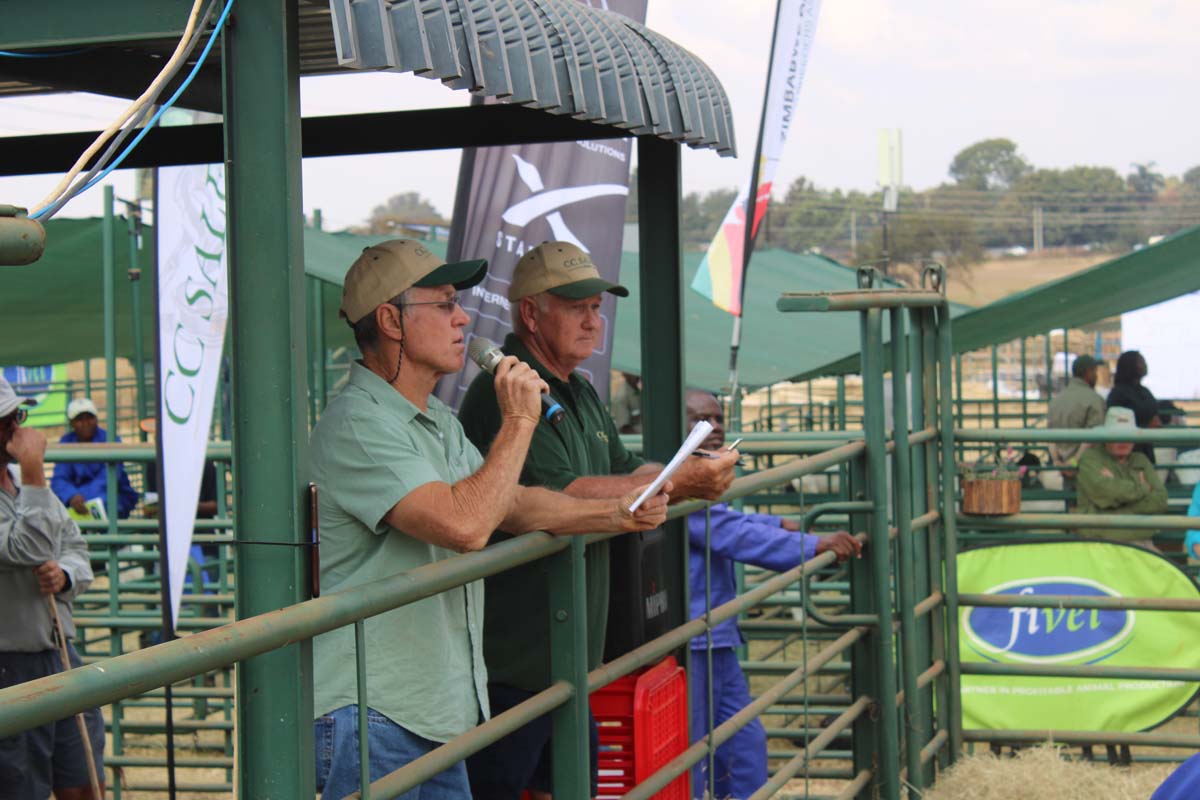
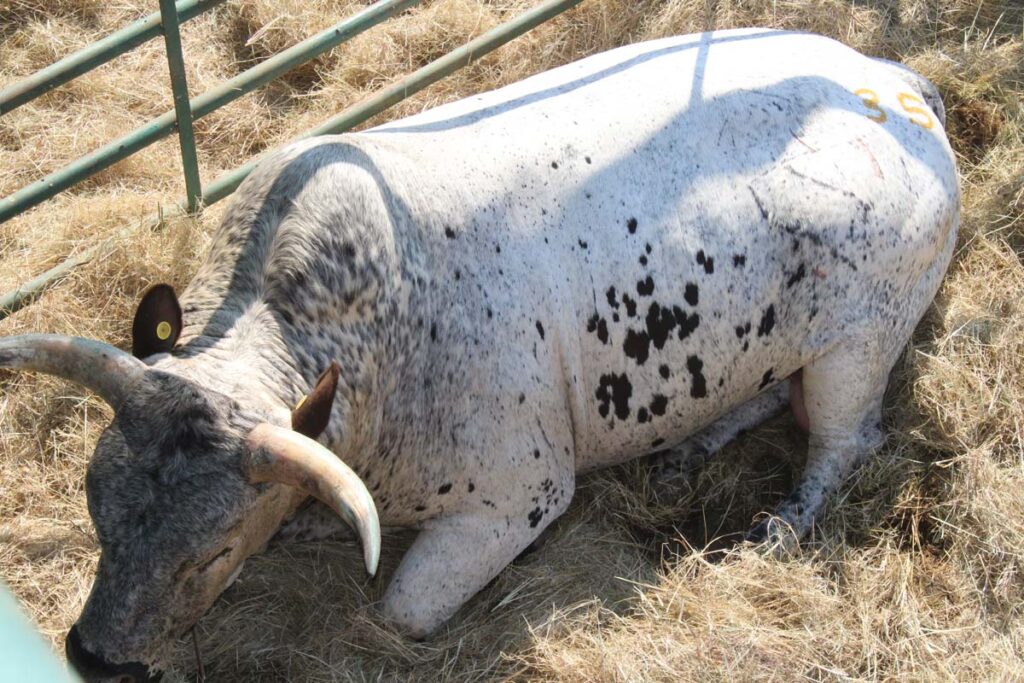
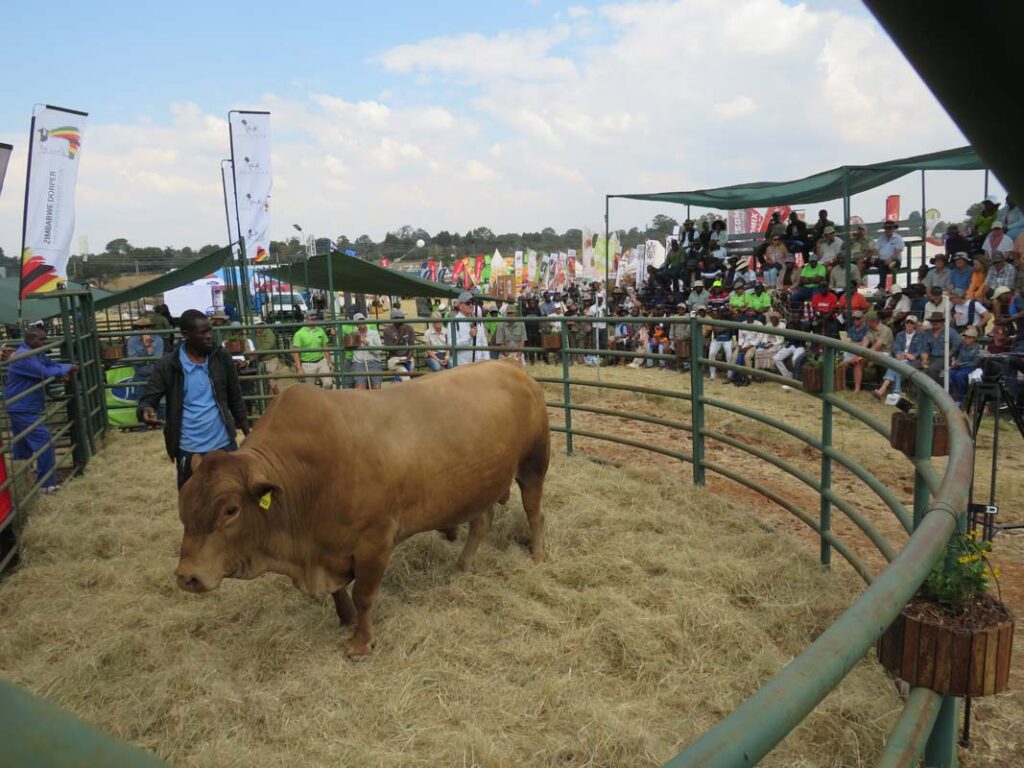
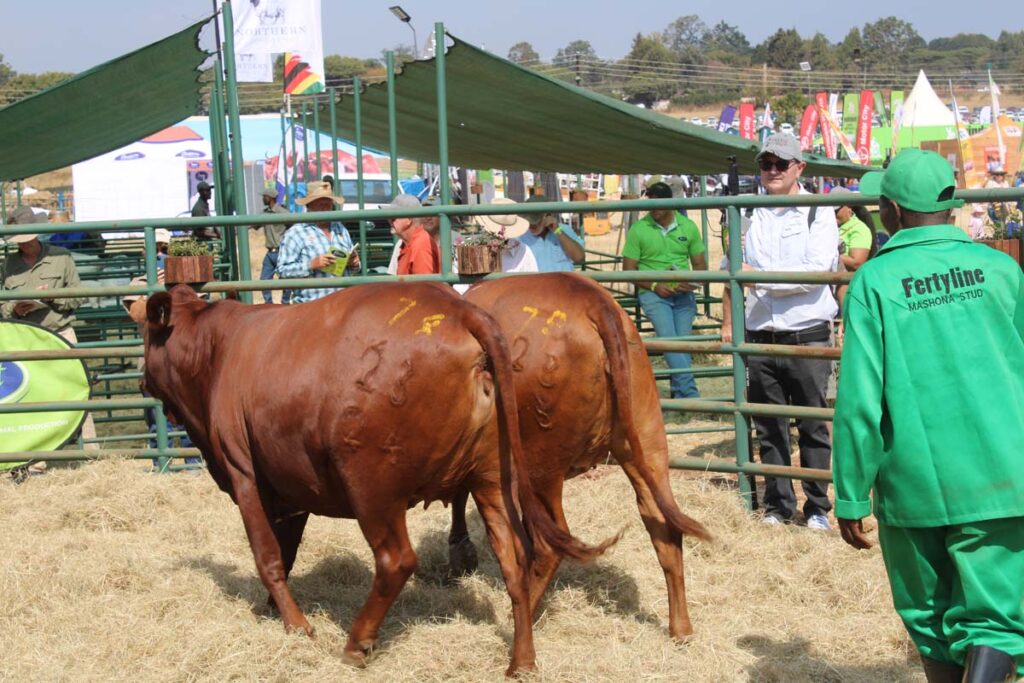
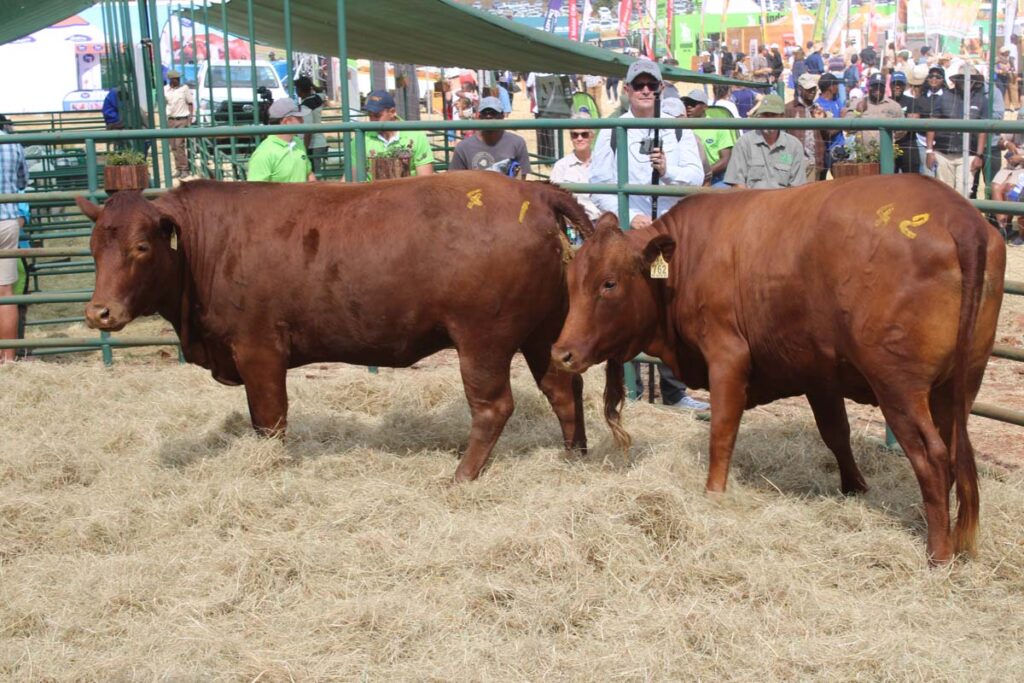
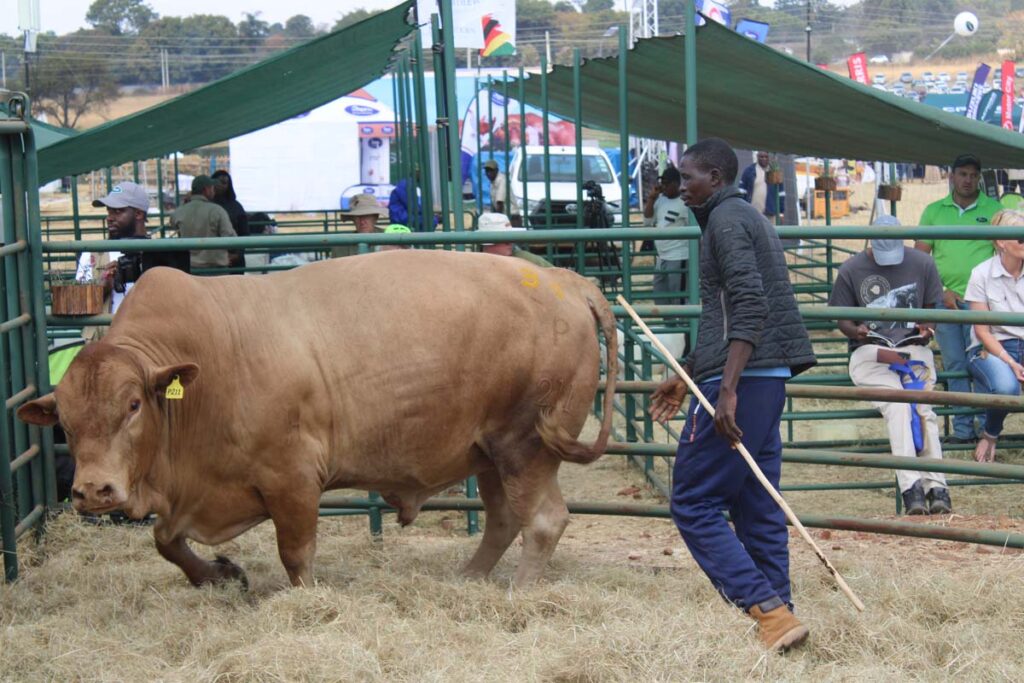
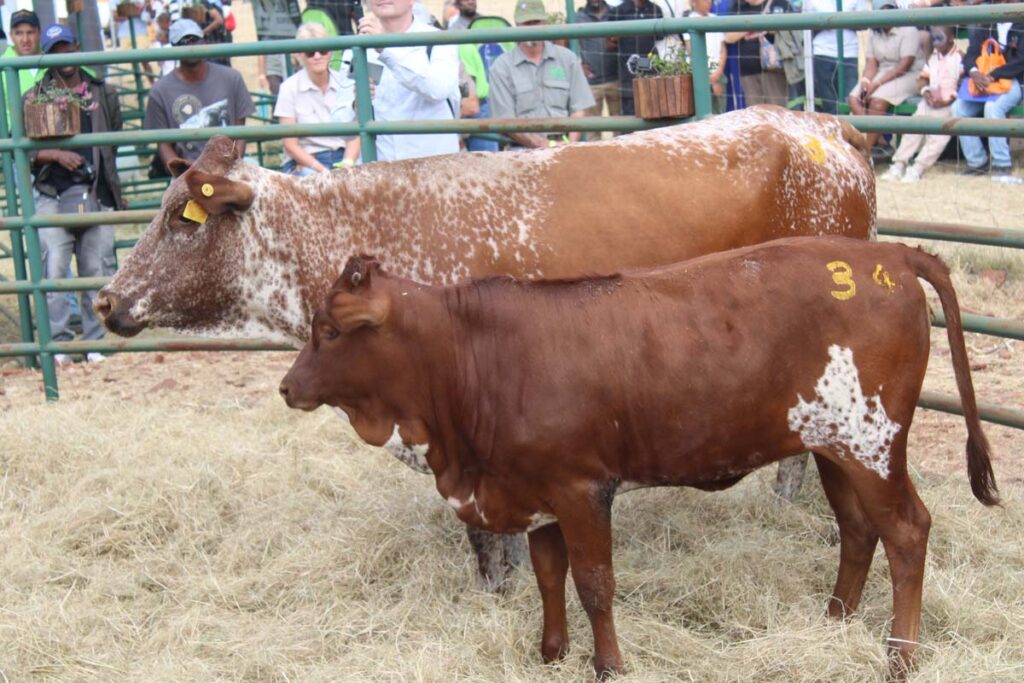
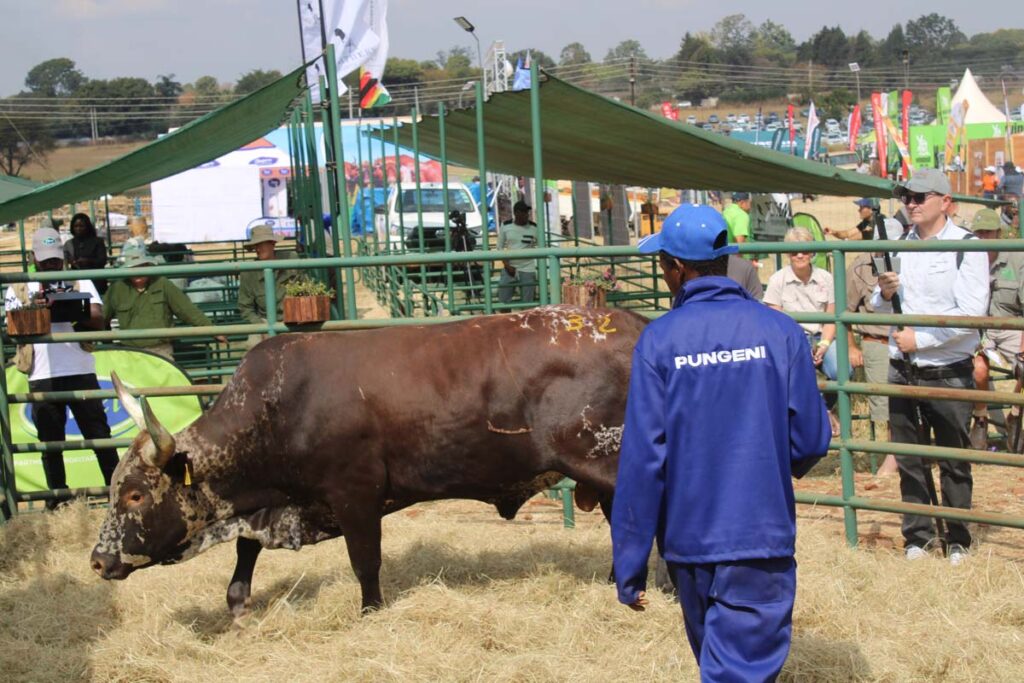
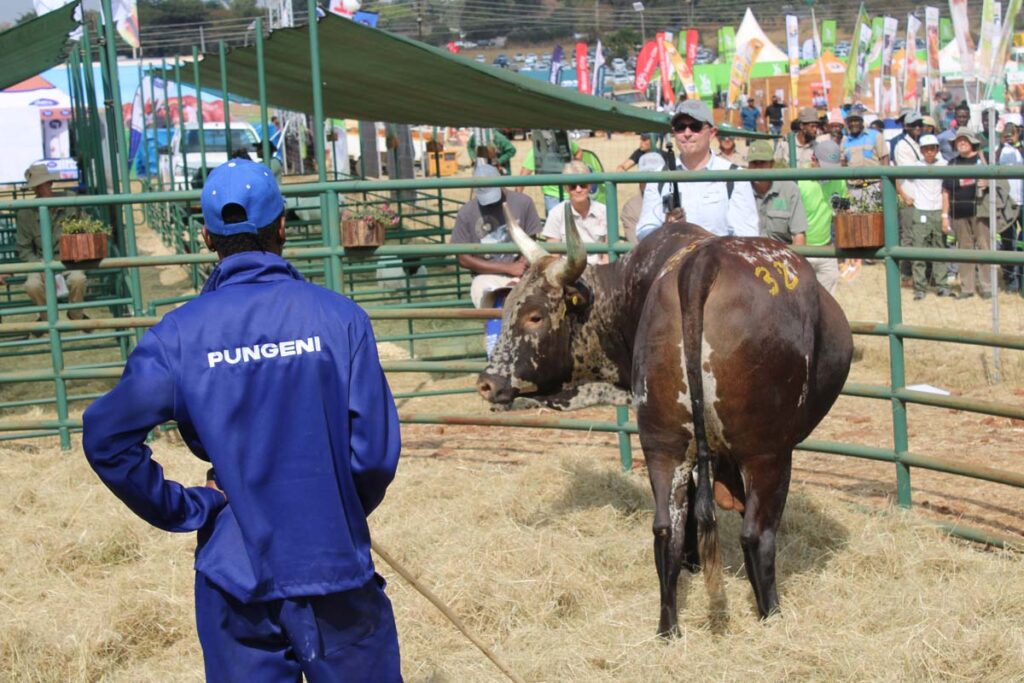
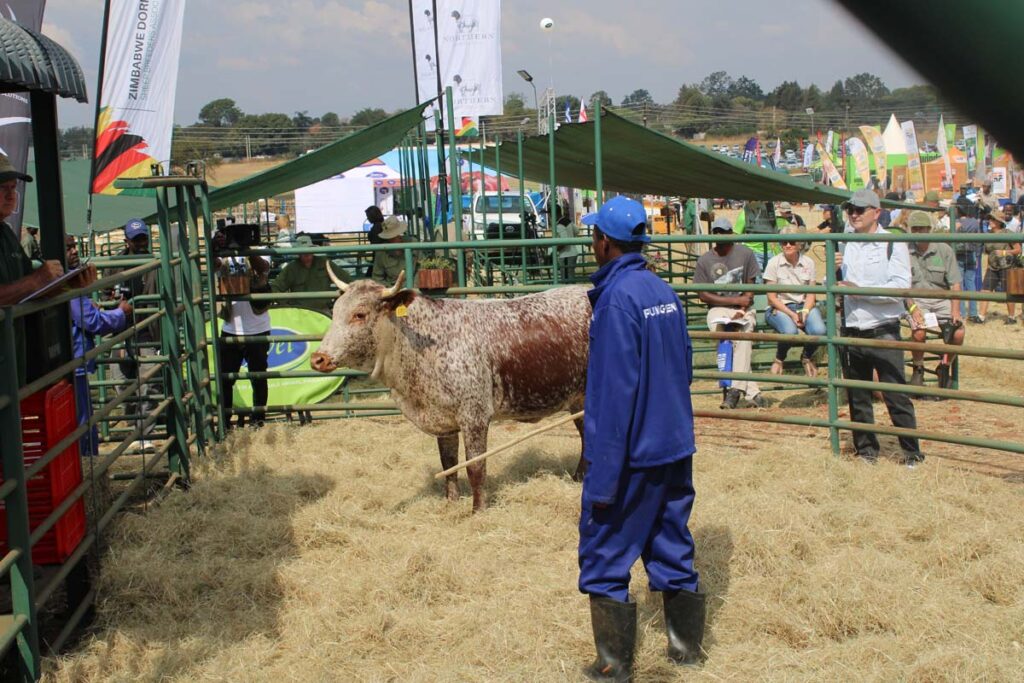
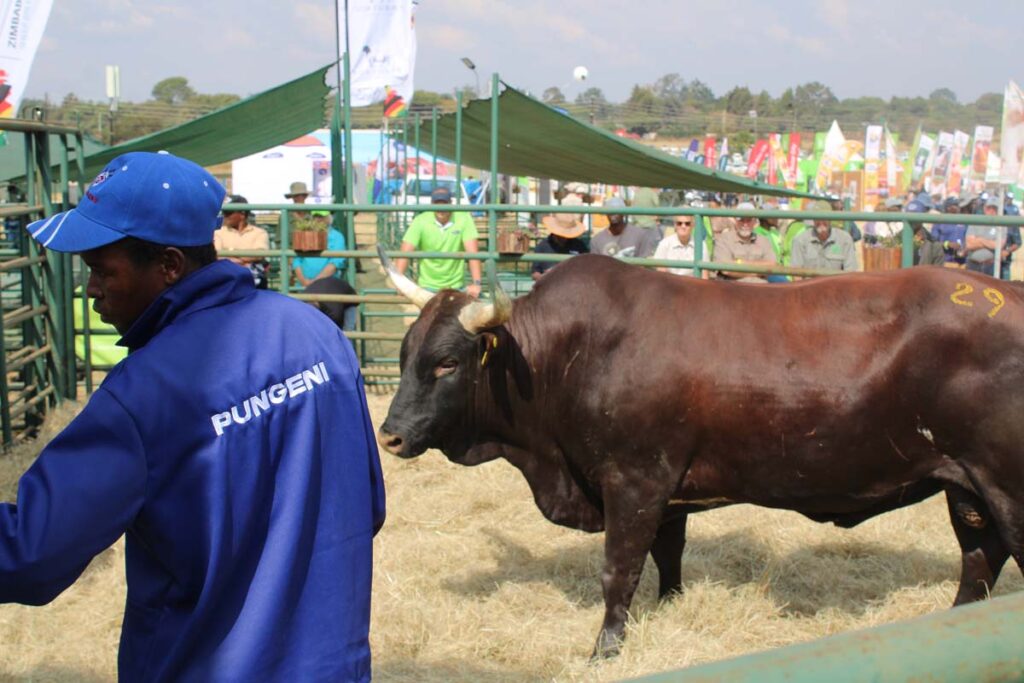
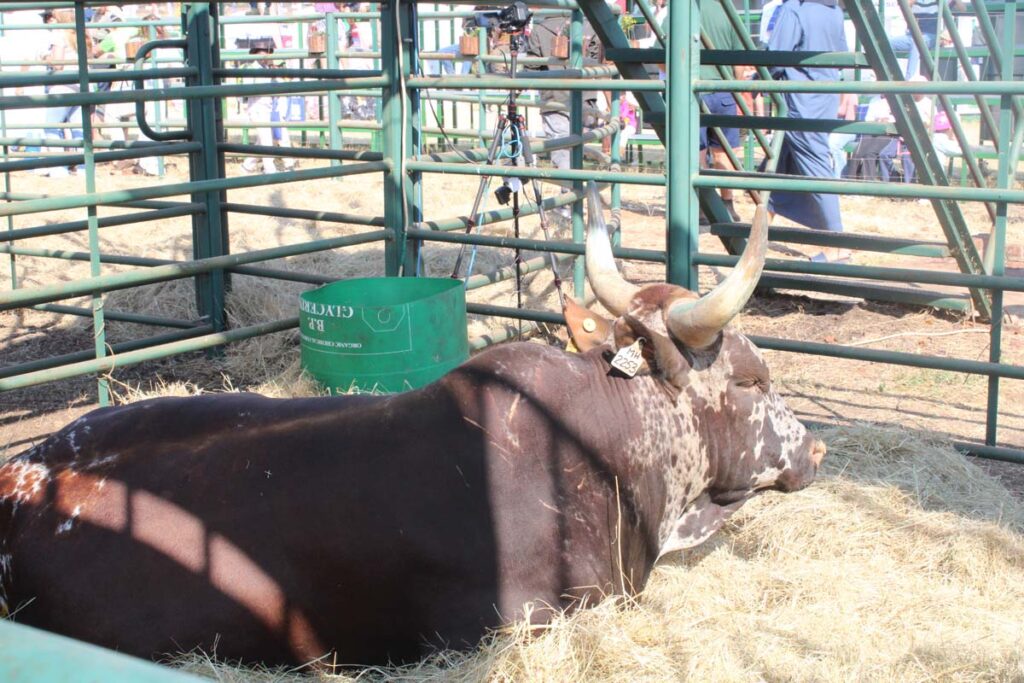
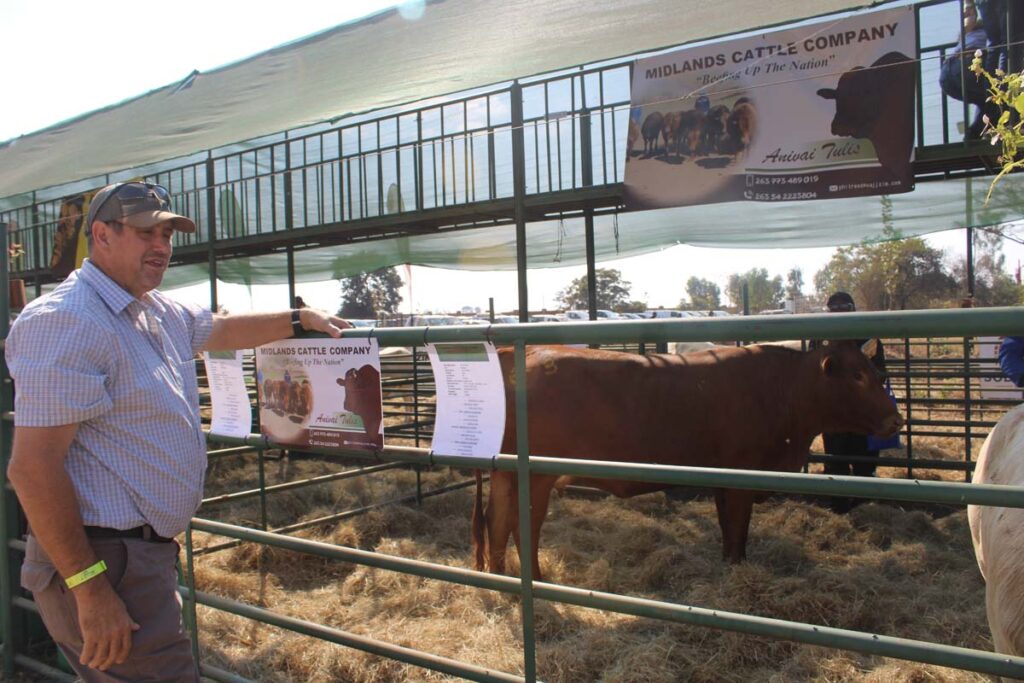
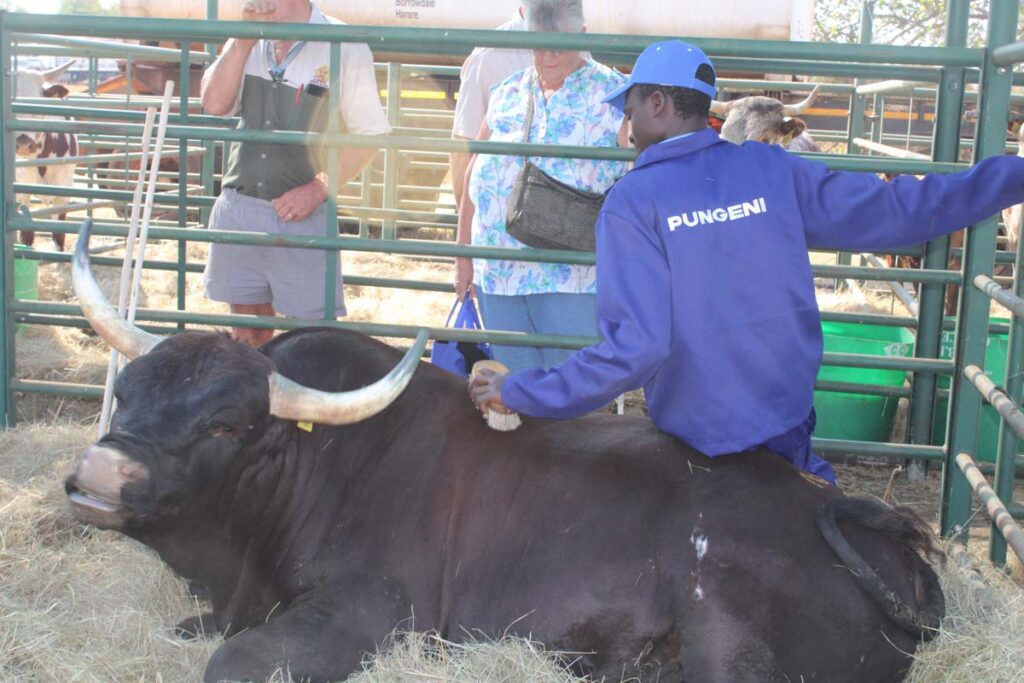
The final day of the 2026 ADMA Agrishow belonged to Zimbabwe's indigenous livestock breeds, as breeders, buyers and enthusiasts gathered for the 3rd Indigenous Breeds Sale, showcasing the country's celebrated Sanga cattle - the Mashona, Nkone and Tuli.
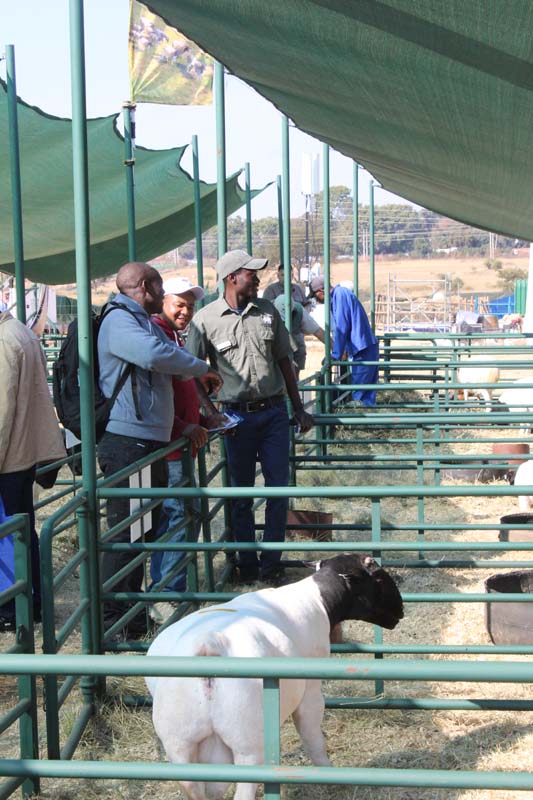
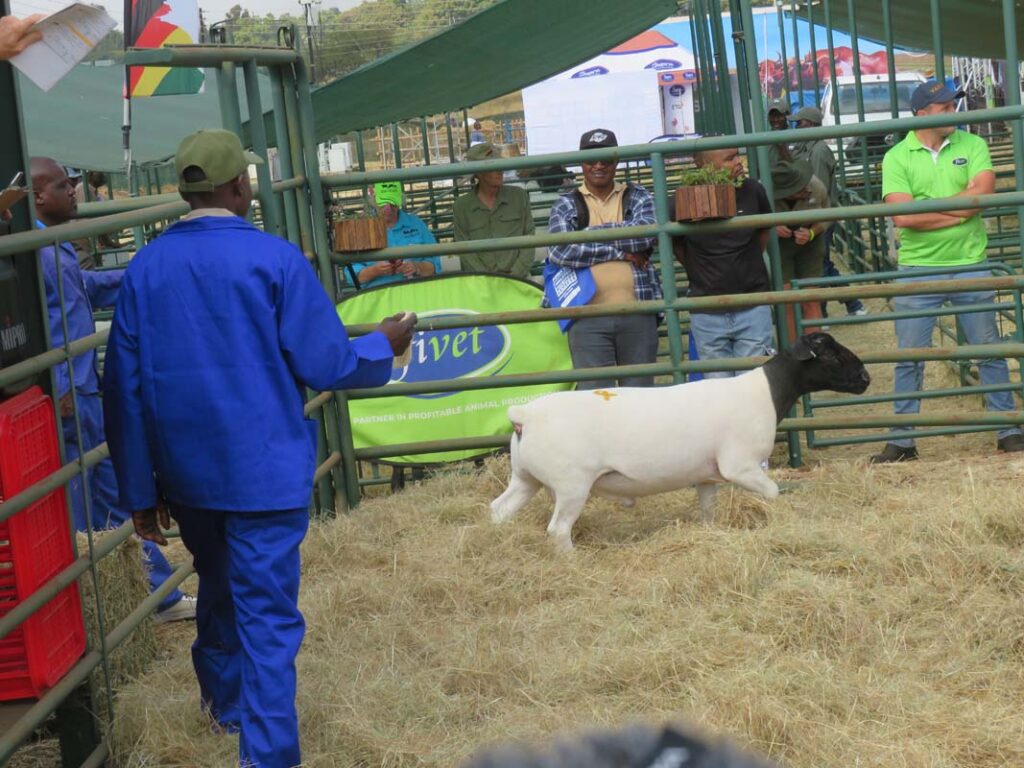
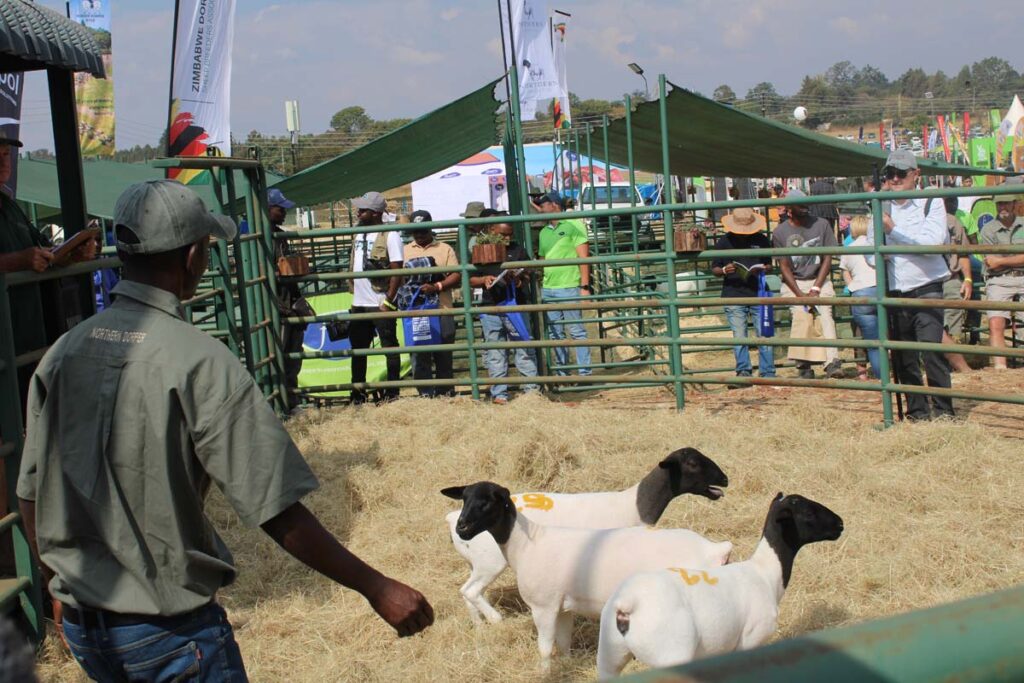
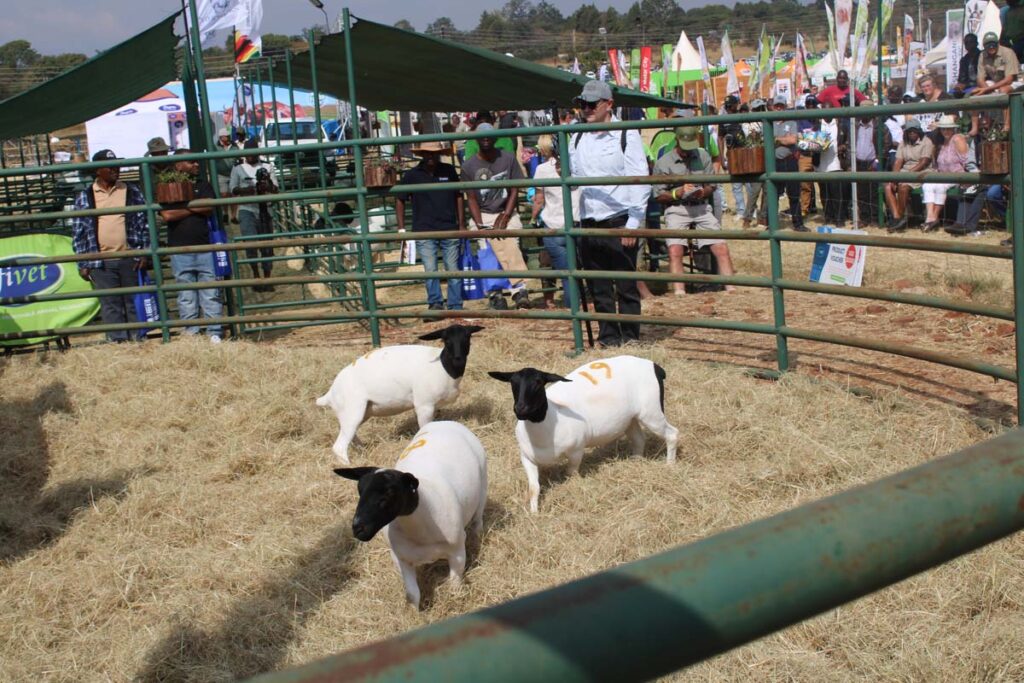
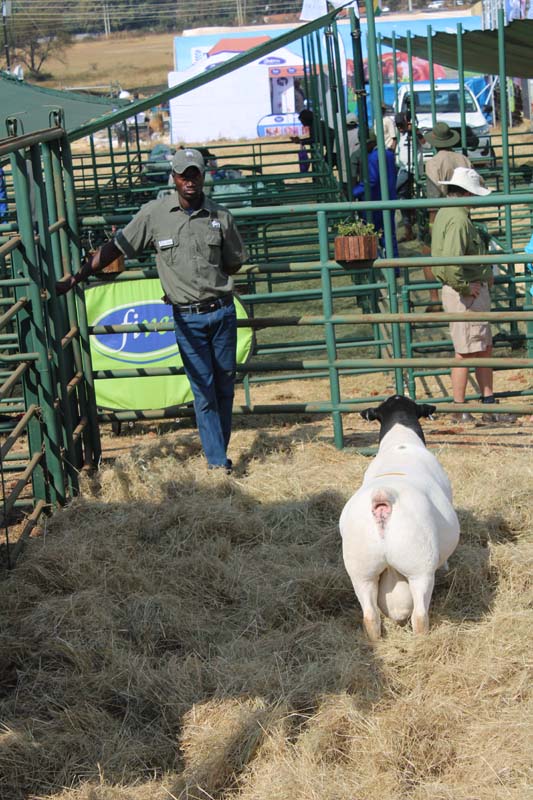
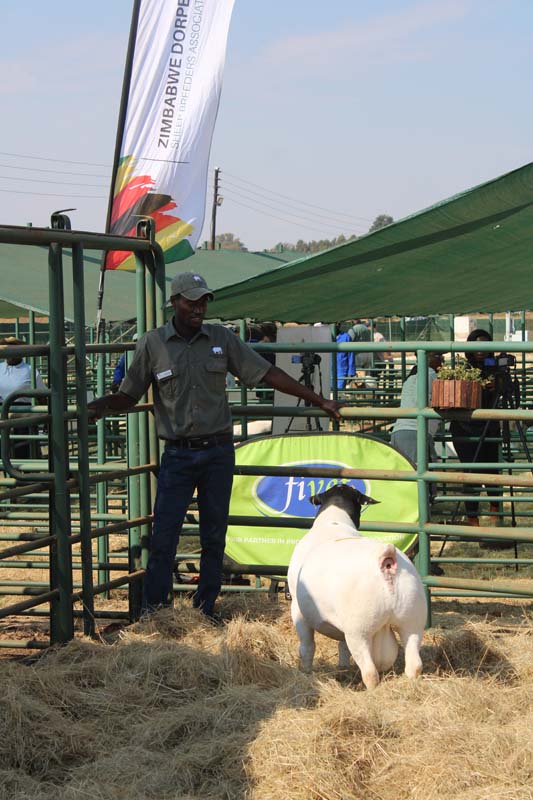
This year's sale marked an important milestone with the inclusion of small stock (sheep) for the first time. Adapted Dorper rams and ewes, together with indigenous Sabi/Nguni rams, entered the ring ahead of the cattle offering, broadening the scope of the event and highlighting growing interest in resilient livestock genetics across species.
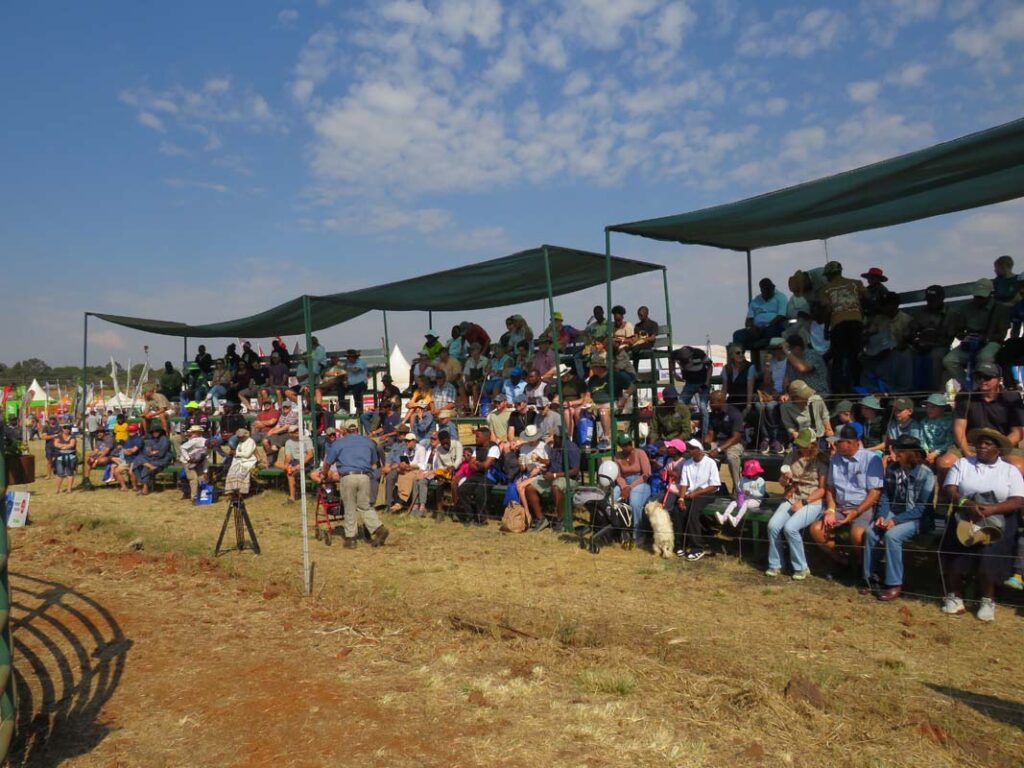
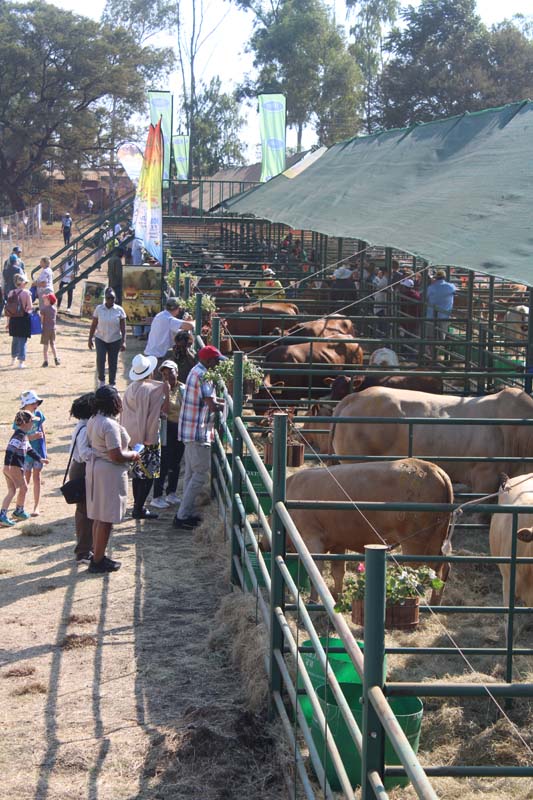
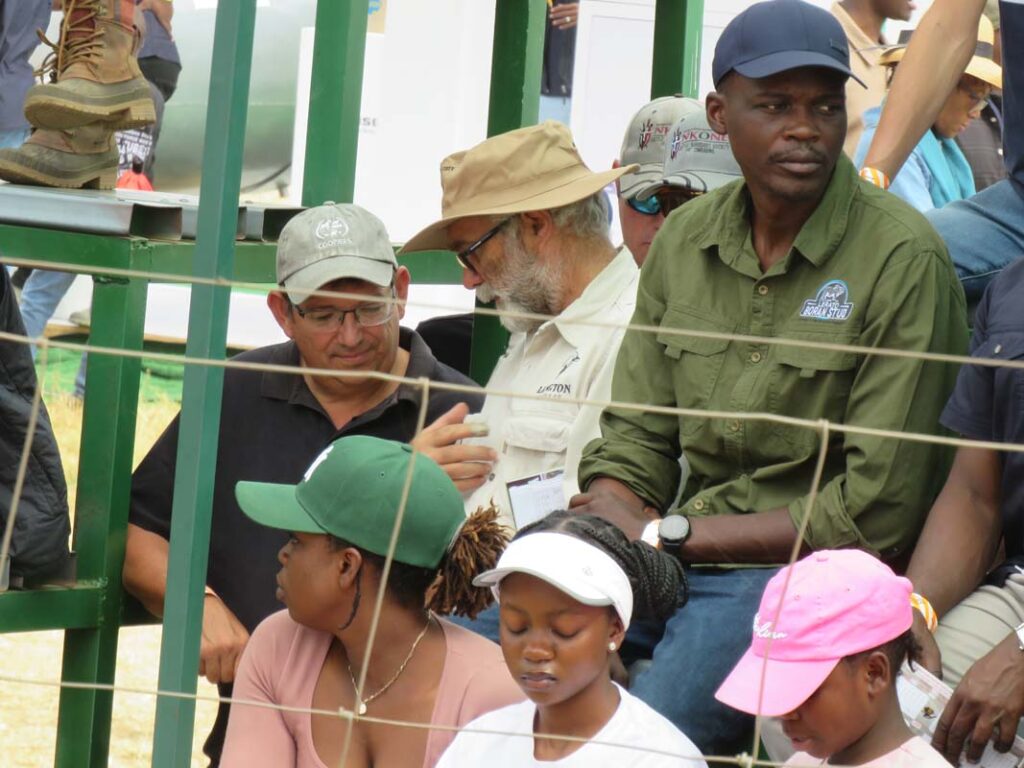
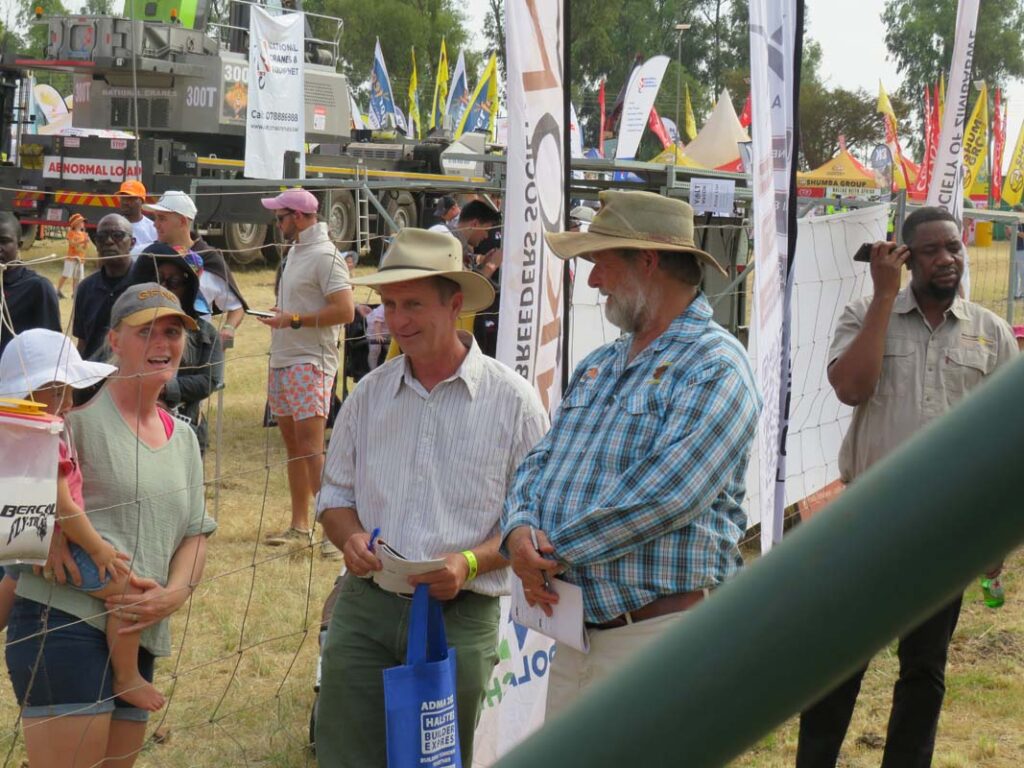
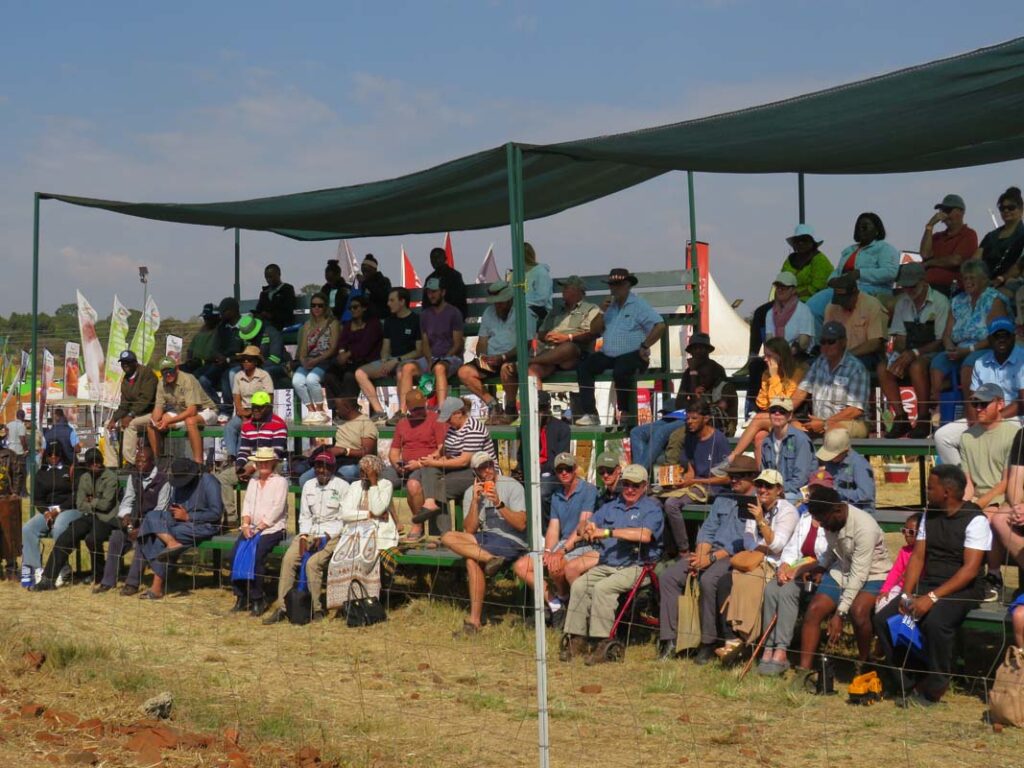
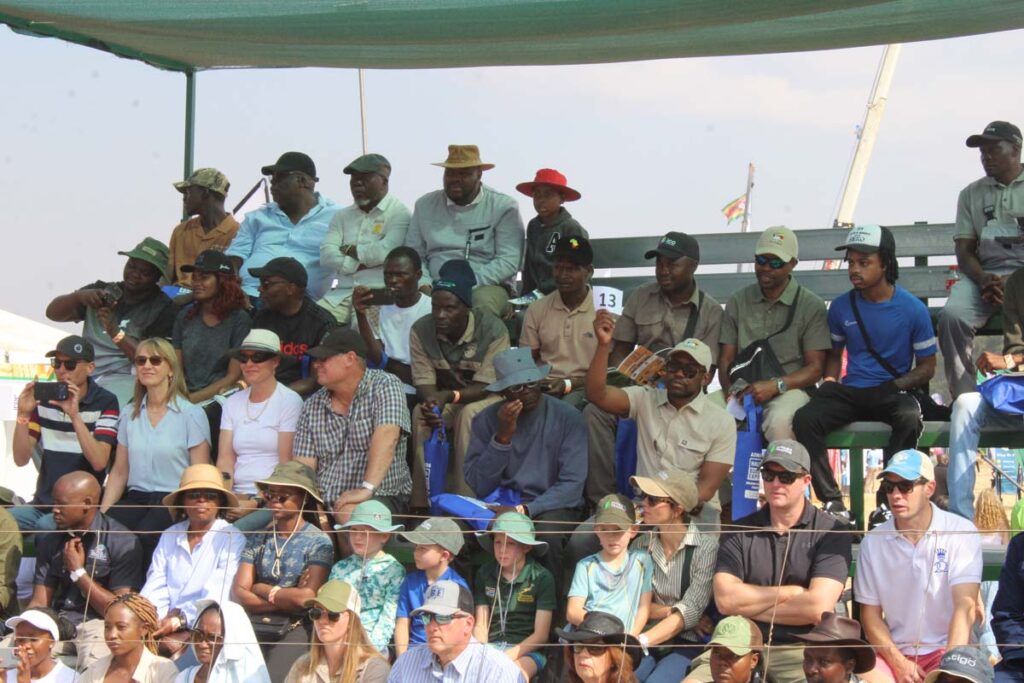
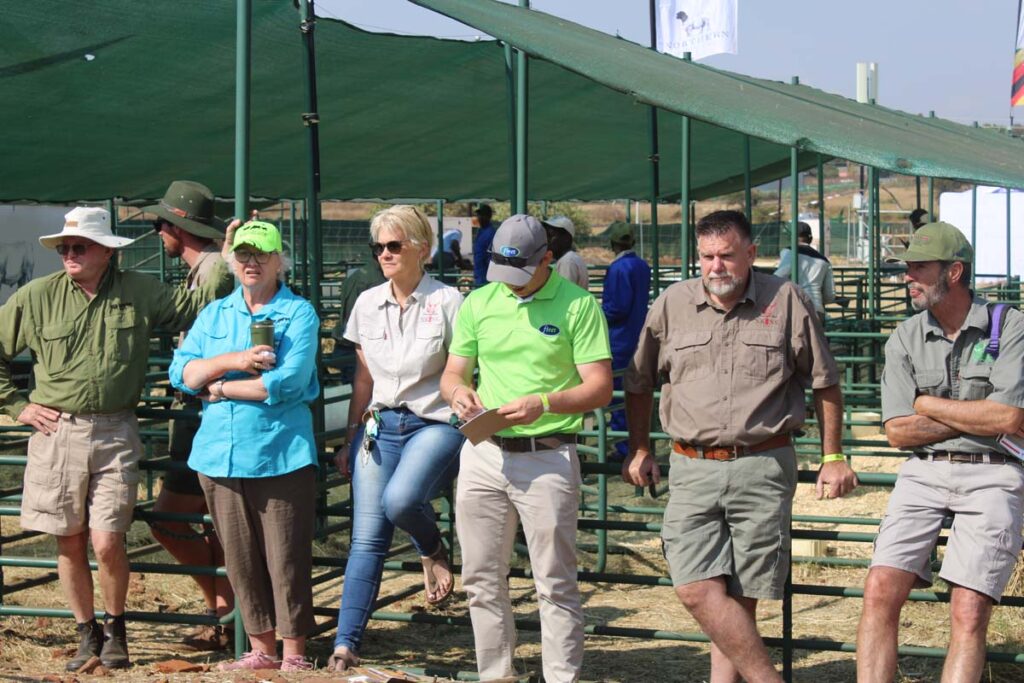
Against a backdrop of excited crowds, noisy children and the constant buzz of a helicopter takingvisitors on rides from the showgrounds every few minutes, the atmosphere was unmistakably festive. Yet despite the distractions, attention remained firmly focused on the stars of the day: the animals and the genetics they represented.
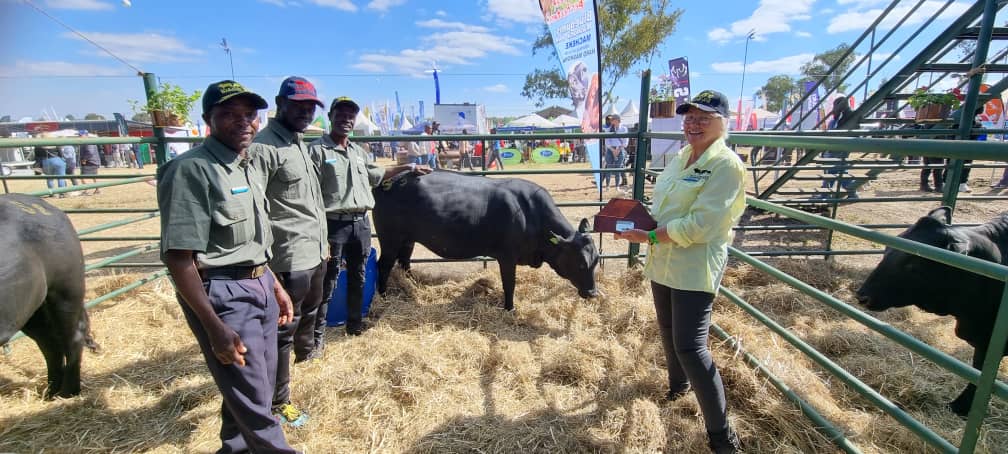
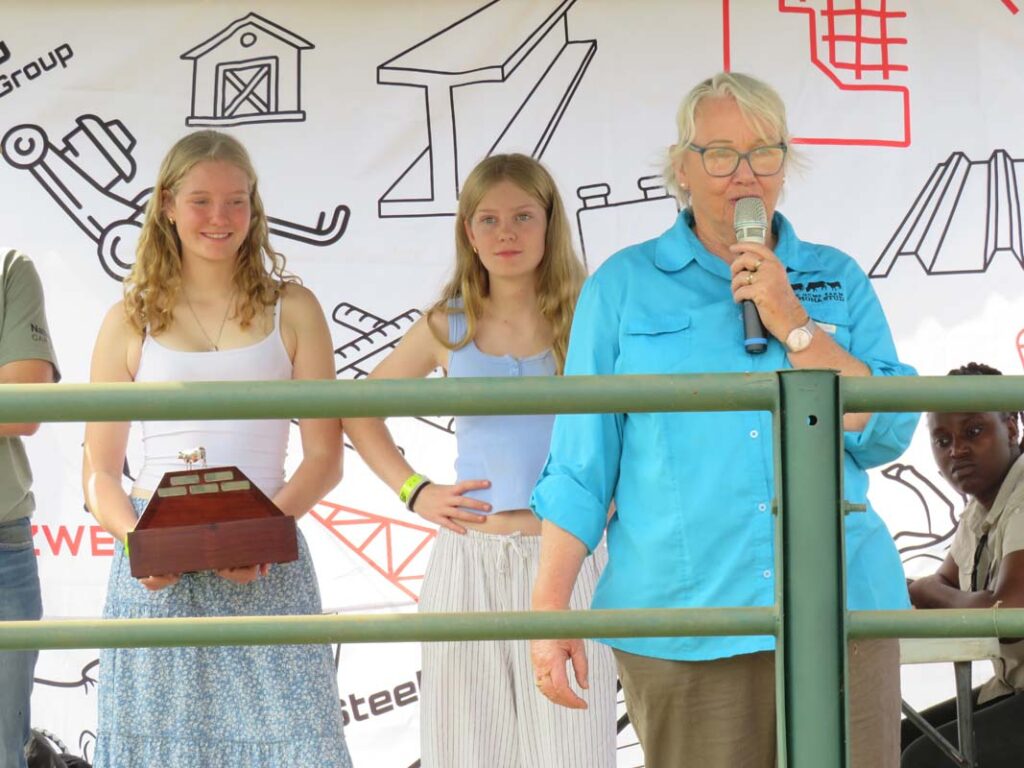
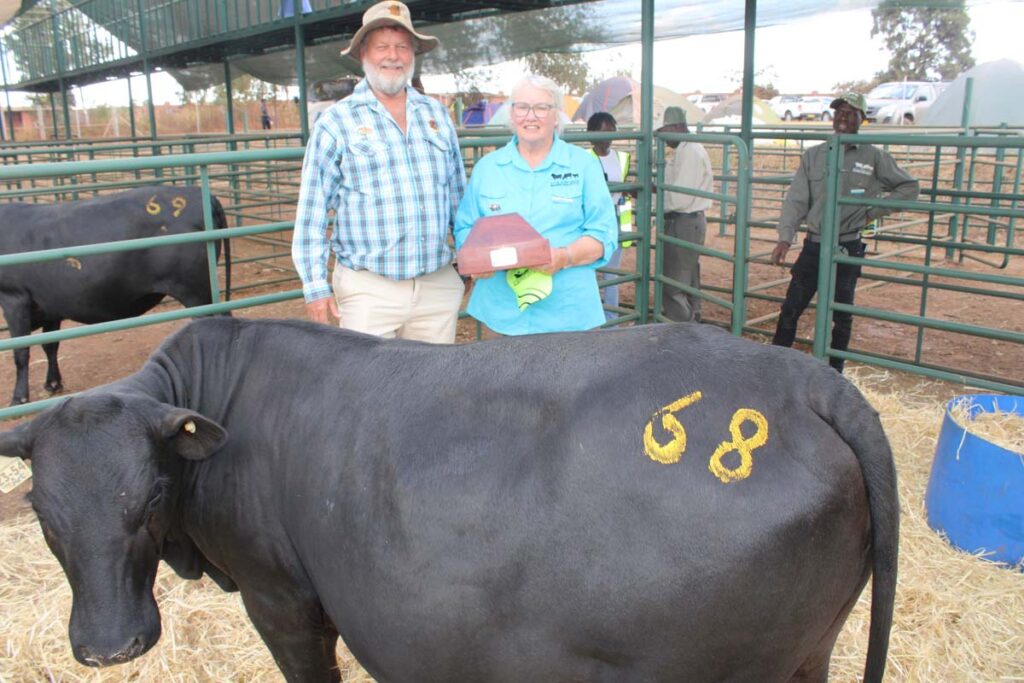
Proceedings began with the presentation of the prestigious Oom Japie Jackson Memorial Trophy. For the second consecutive year, the award was won by Maree Osborne of Blue Gums Stud for her outstanding heifer, Lot 68. The achievement was made even sweeter later in the day when the heifer was purchased by Jan Kageler of Oldonyo Mashona Stud, ensuring her genetics will continue contributing to the development of one of Zimbabwe's renowned indigenous breeds.
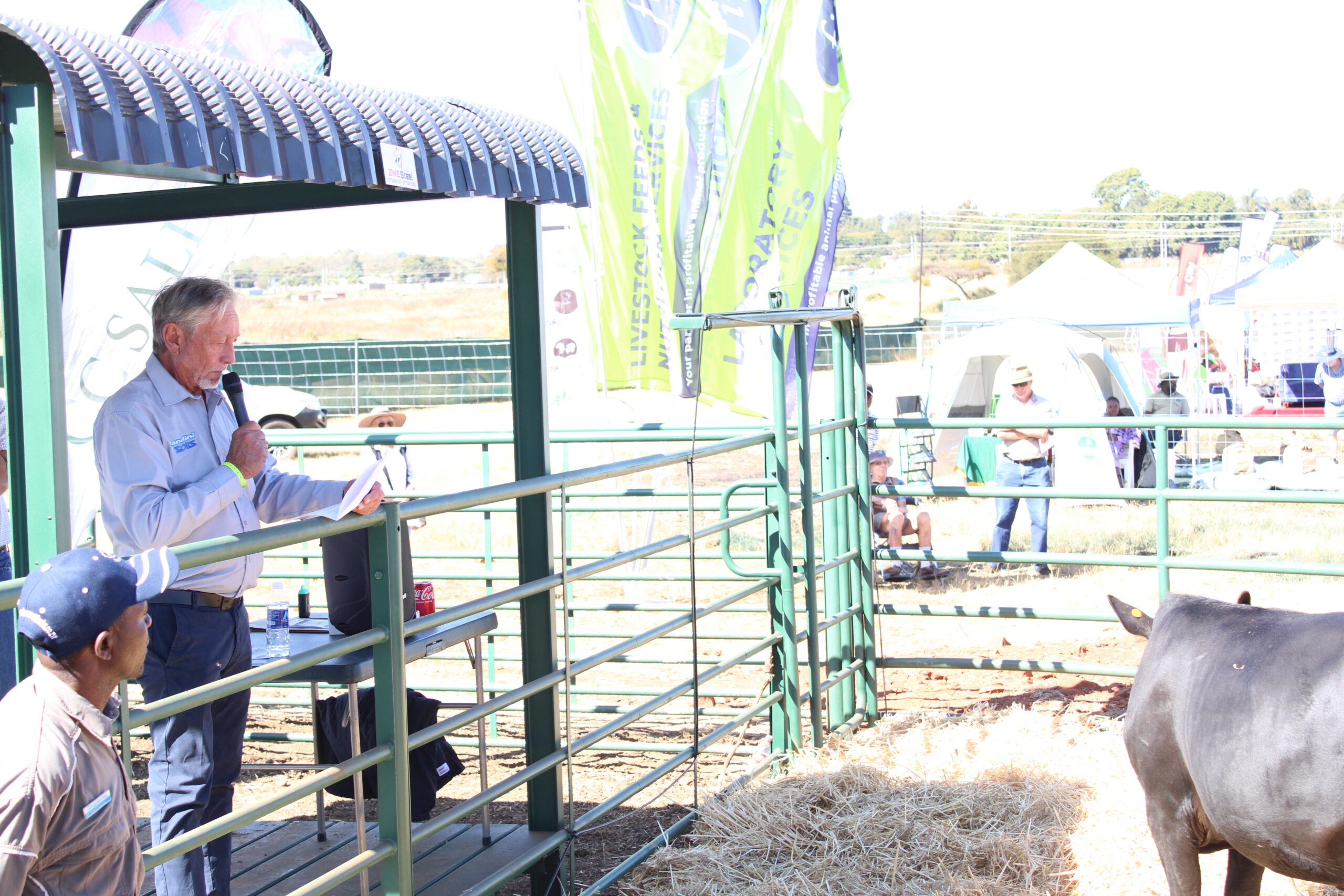
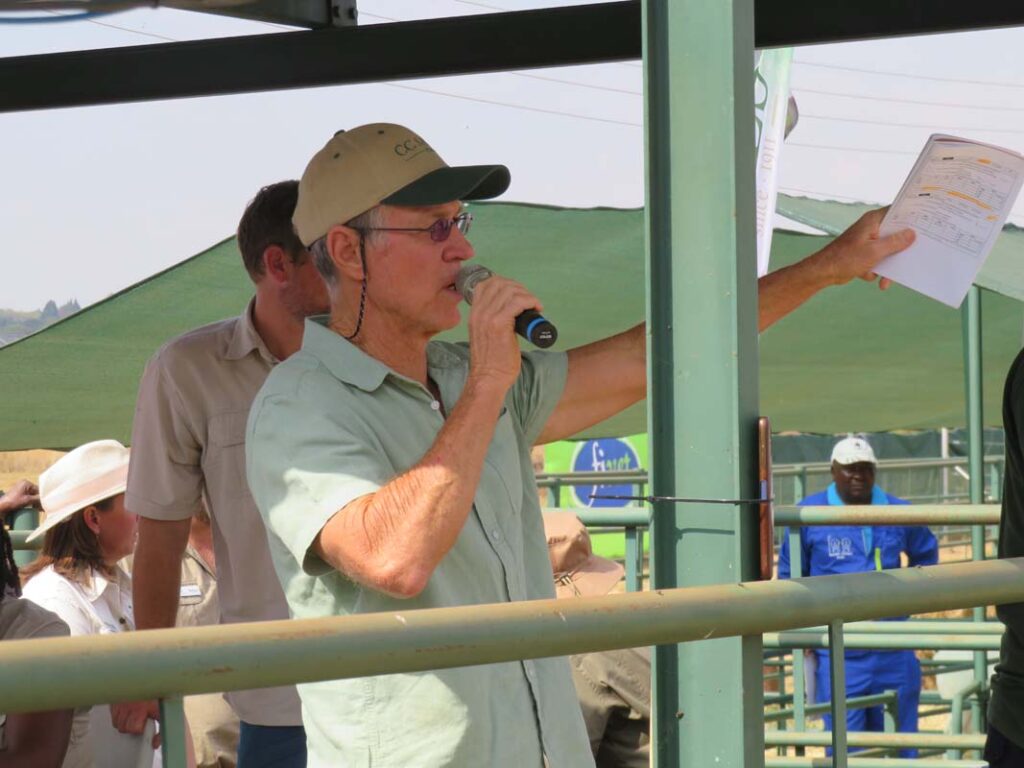
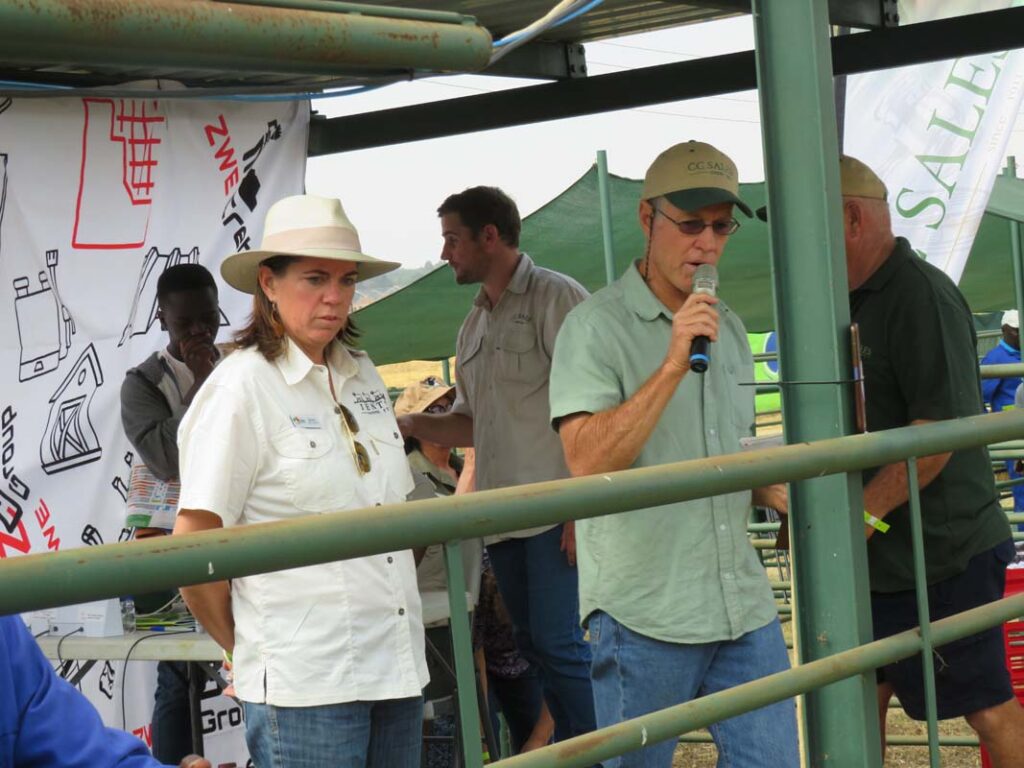
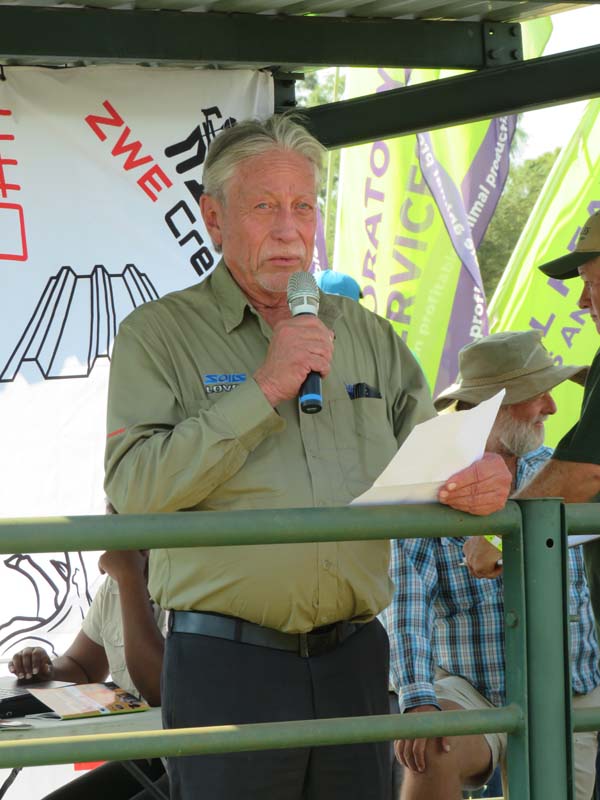
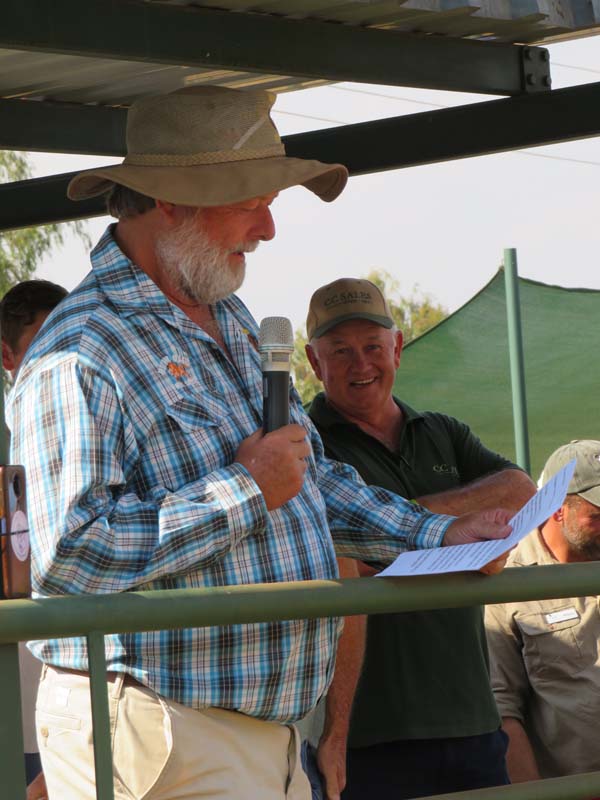
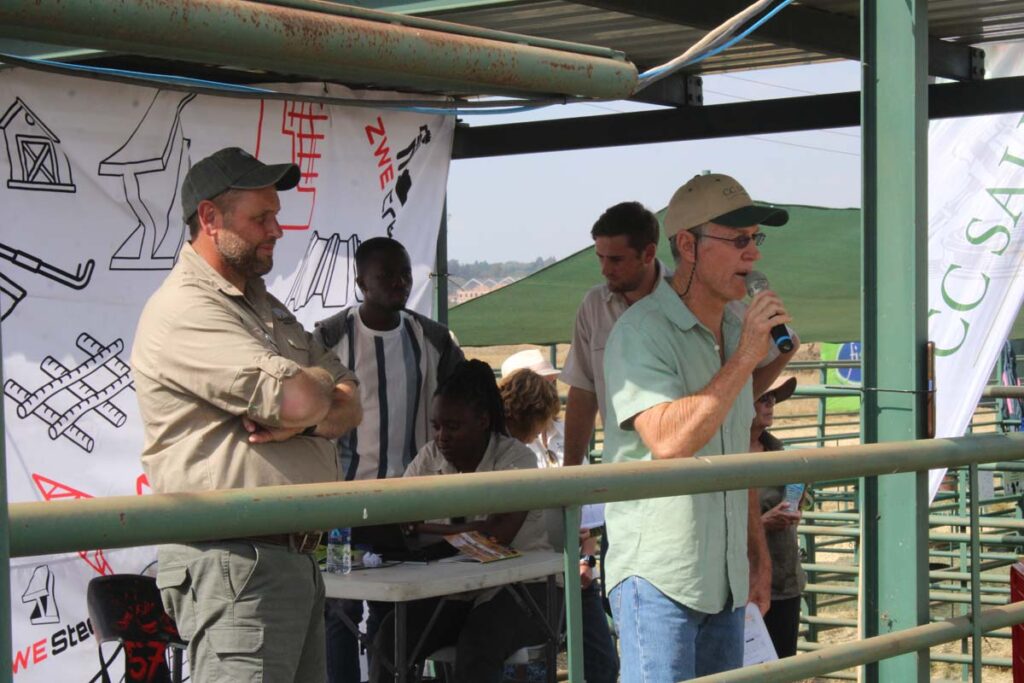
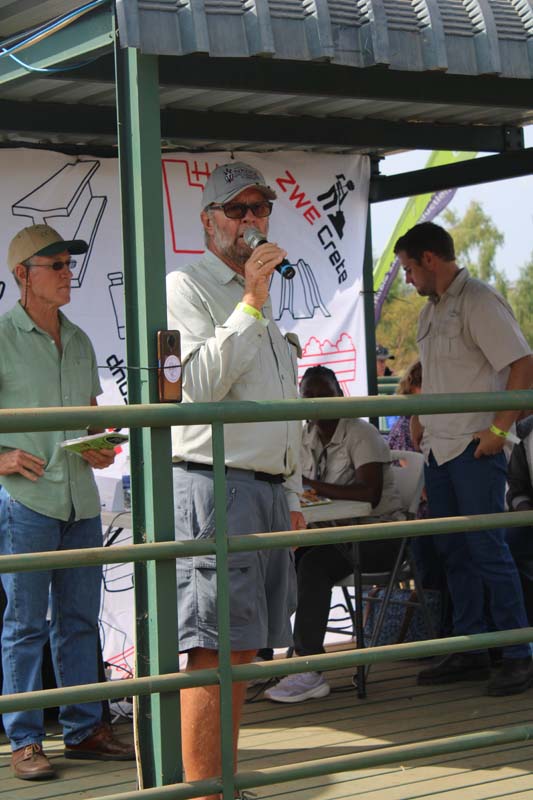
The sale was officially opened with addresses from ADMA Chairman, Marco Garizio and the Chairman of the Indigenous Breeds Society, Mark Hook, both of whom highlighted the growing importance of indigenous breeds in Zimbabwe's livestock sector. Their remarks reflected the increasing recognition of the value these animals bring to commercial and pedigree operations alike, particularly in an era of changing climatic conditions and increasing pressure on grazing resources.
A poignant moment followed when Jan Kageler delivered a tribute to the late Chris Johnson of Jambo Tuli Stud, honouring a breeder whose contribution to the development and promotion of indigenous cattle genetics will long be remembered within the industry.
The prices achieved throughout the sale reflected the growing appreciation of quality genetics. A pedigree ram or bull for example, has the potential to sire dozens of lambs or calves every year over multiple breeding seasons. The influence of superior genetics is multiplied across generations through improved growth rates, fertility, feed efficiency, carcass quality and adaptability.
The objective is straightforward for commercial livestock producers; it’s about offspring that grow faster, and animals that convert feed more efficiently and perform consistently under local conditions. For pedigree breeders, the investment is even more strategic, with elite animals producing future breeding stock capable of commanding premium prices in their own right.
Nowhere is this more relevant than in Zimbabwe, where resilience is every bit as valuable as production. Traits such as fertility under extensive conditions, tick resistance, drought tolerance and the ability to thrive on natural veld have become critical selection criteria. The Mashona, Nkone and Tuli cattle breeds have earned their reputation precisely because they possess many of these characteristics.
Viewed through this lens, the thousands of dollars spent on elite breeding stock begin to make sense. An animal purchased today may influence hundreds of descendants over the course of a decade, spreading desirable traits throughout a herd or flock and generating returns that far exceed the original purchase price.
That reality was evident throughout the sale ring at ADMA. Buyers were not bidding solely on the animal standing before them; they were bidding on generations yet to come.
While the day ultimately belonged to the Sanga superstars, the Mashona, Nkone and Tuli, the successful inclusion of adapted Dorper and indigenous Sabi/Nguni sheep genetics signaled the potential for the sale to evolve into a broader showcase of Zimbabwe's adapted and indigenous livestock resources.
The strong demand witnessed at this year's Indigenous Breeds Sale is further evidence that Zimbabwe's indigenous livestock continue to hold a special place in the nation's agricultural landscape. As breeders pursue animals that can combine productivity with resilience, the future looks bright for the breeds that have evolved to thrive in the country's challenging conditions.
Sales figures (supplied by CC Sales)
9 Dorper rams sold Maximum price USD 1,500. Average price USD 983
9 Dorper ewes sold. Maximum price USD 400. Average price USD 400
1 Nguni ram sold. USD 700
1 Mashona bull sold. USD 4,250
19 Mashona heifers sold. Maximum price USD 1,600. Average USD 1379
3 Nkone bulls sold. USD 3,000 each
1 Nkone cow and calf sold. USD 2,100
3 Nkone heifers sold. Maximum price USD 1,100. Average USD 900
4 Tuli bulls sold. Maximum price USD 6,000. Average price USD 3,875
2 Tuli cows sold. Maximum price USD 2,300. Average price USD 2,200
24 Tuli heifers sold. Maximum price USD 2,000. Average price USD 1,421


Related Content