Farmers urged to prepare for an erratic and drier 2026/27 season
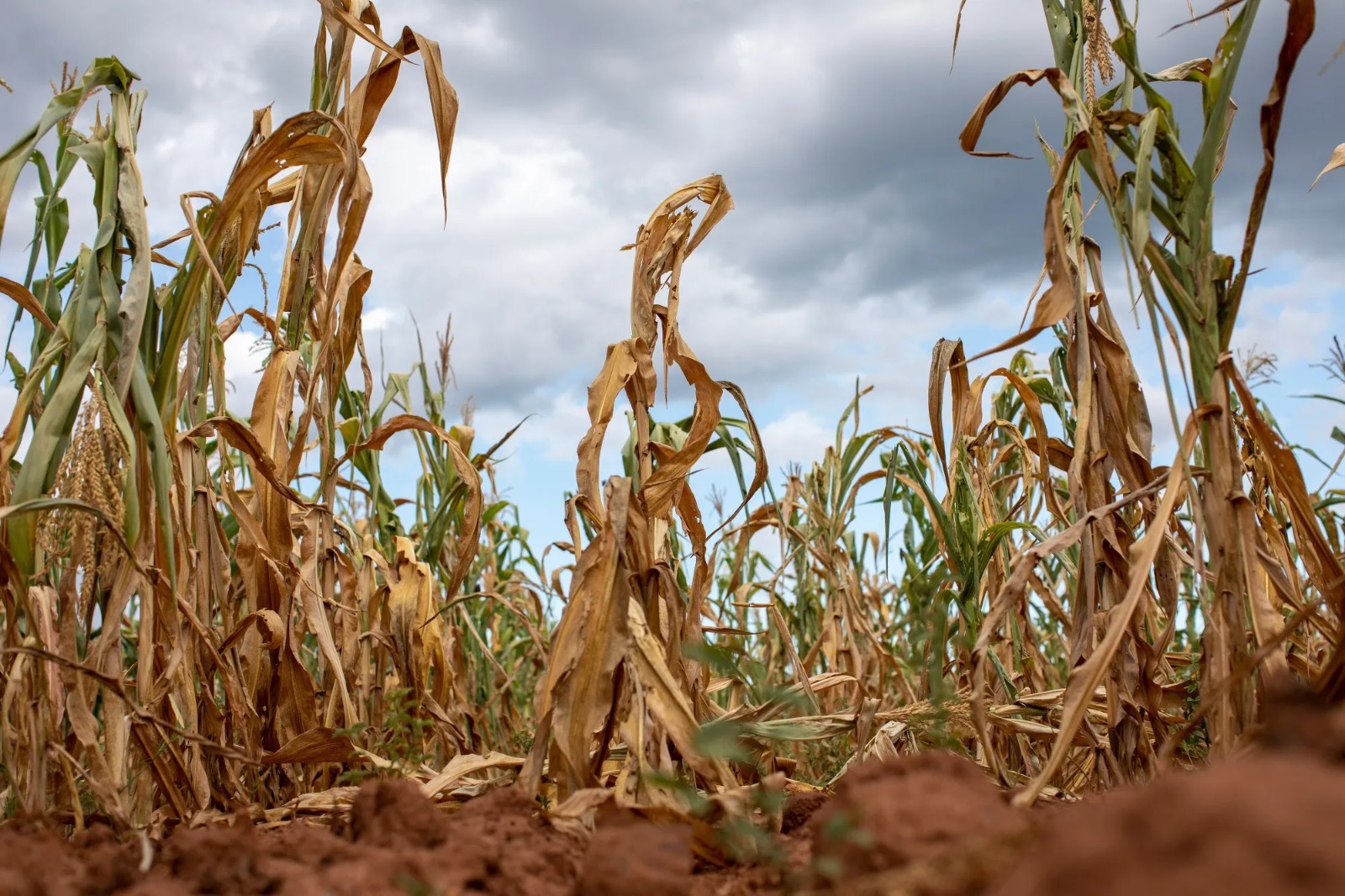
Zimbabwe is heading into the 2026/27 summer cropping season with a warning from the Meteorological Services Department (MSD) that farmers should prepare for below-normal and highly erratic rainfall, with prolonged dry spells likely across much of the country.
The MSD's Zimbabwe National Climate Outlook for October 2026 to March 2027 indicates a high probability of below-normal rainfall nationally during October, November and December, with the dry signal continuing into January, February and March.
The outlook is being influenced by the El Niño-Southern Oscillation (ENSO), which is currently in its warm, or El Niño, phase and is projected to persist throughout the forecast period. The Indian Ocean Dipole (IOD) is also positive and is expected to remain so until the end of January 2027 before becoming neutral in February.
Together, these climate drivers increase the likelihood of below-normal rainfall across Zimbabwe.
From January to March 2027, southern and western parts of the country are expected to receive normal to below-normal rainfall, with a bias towards below-normal totals, while most of the rest of the country is expected to experience below-normal conditions.
For farmers, particularly the country's large population of smallholder producers who depend almost entirely on rainfall, the forecast raises an immediate question: how can farmers prepare when they do not have access to irrigation?
Preparing for a difficult start
The MSD says Zimbabwe's rainfall season normally begins between November and early December. This season, however, rainfall patterns are expected to be highly erratic, with a significant portion of the country potentially experiencing no effective start to the season.
The department cites the 2023/24 and 2015/16 seasons as historical analogue seasons for the current outlook, both of which were characterised by widespread failure of the seasonal onset across much of the country.
This makes the management of the first rains particularly important.
An isolated shower should not necessarily be interpreted as the beginning of the rainy season. Farmers need to consider the amount of rainfall received, soil moisture and the short-term forecast before committing scarce seed and fertiliser to the ground.
The MSD stresses that a seasonal forecast cannot determine the precise timing of the onset of the rains. Daily forecasts and 10-day weather bulletins remain important for short-term decisions such as planting and field operations.
Make every drop count
For farmers without irrigation, the priority is to make the best possible use of rainfall when it arrives. Soil-moisture conservation is therefore likely to be particularly important this season. Practices such as minimum soil disturbance, maintaining crop residues and using mulch can help reduce evaporation and improve the amount of rainfall retained in the soil.
Water harvesting can also provide an important buffer, whether through small-scale field structures, household water storage or other appropriate local systems.
These emergency measures form part of Zimbabwe's longer-term climate adaptation strategy.
The country's National Climate Change Adaptation Plan identifies conservation agriculture, including Pfumvudza/Intwasa, training farmers in climate-smart crop and livestock production, drought-tolerant varieties, water harvesting and more efficient water use among priority adaptation actions for agriculture.
Government's Ministry of Lands, Agriculture, Fisheries, Water and Rural Development also identifies the development of a modern, sustainable and viable climate-smart agricultural sector as part of its mission, with technical, extension and advisory services forming part of its mandate.
Pfumvudza
For smallholder farmers, Pfumvudza/Intwasa is particularly relevant because it is based on intensive production on a small area and conservation agriculture principles.
The model is intended to improve the efficient use of scarce inputs and available moisture rather than requiring farmers to cultivate large areas.
Government's climate adaptation plan specifically identifies enhancing conservation agriculture through initiatives such as Pfumvudza/Intwasa, together with diversification of crops and livestock and increased uptake of drought-tolerant varieties.
However, farmers should also recognise the limitations. Pfumvudza is still a rain-fed system, so no conservation technique can completely remove the risk created by a failed or severely delayed rainy season.
Consider the crop as well as the rainfall
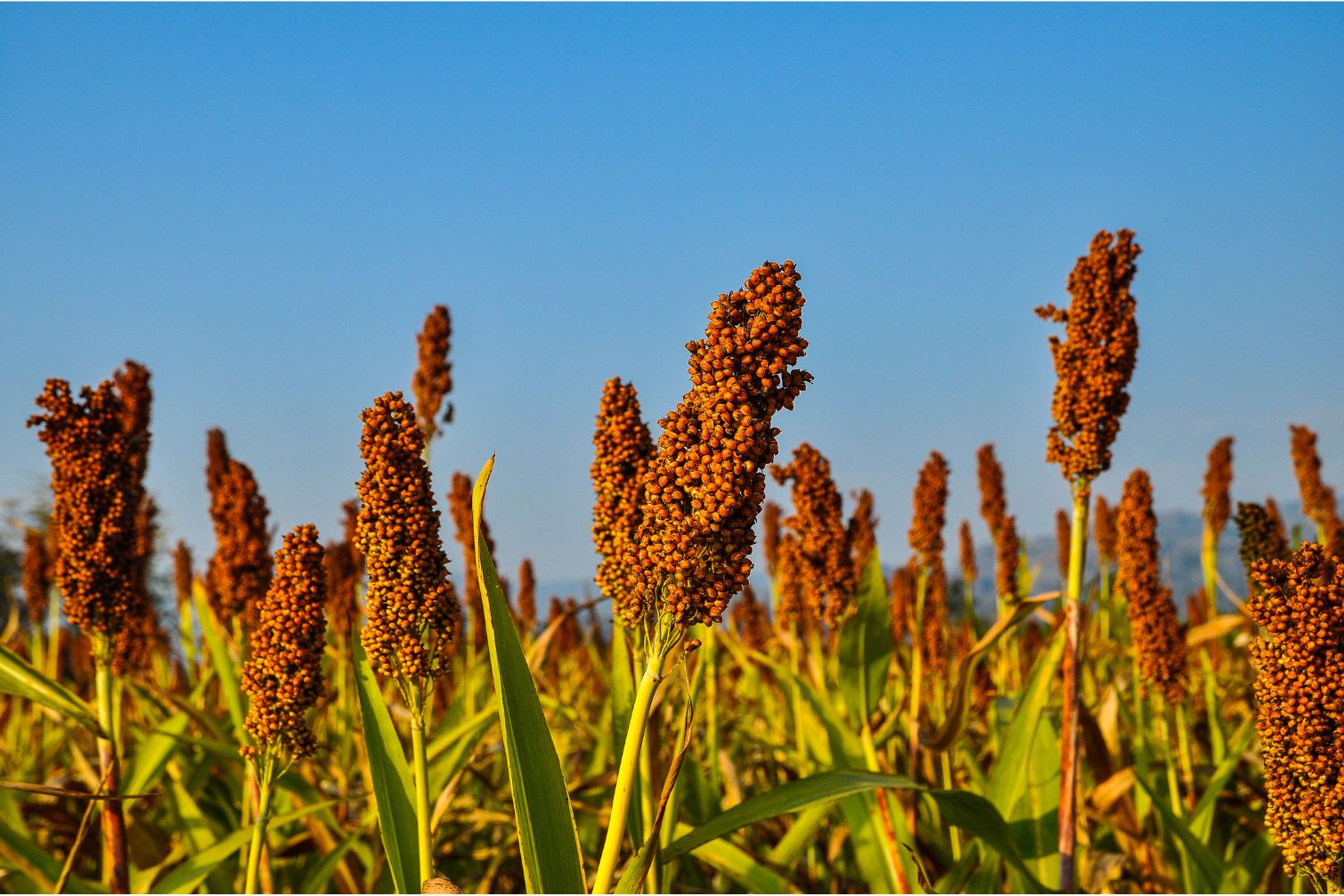
The forecast also provides an opportunity for farmers to reconsider whether the crops they traditionally grow are the best fit for their particular conditions. Zimbabwe's climate adaptation framework promotes crop and livestock diversification and research and uptake of drought-tolerant varieties.
In drier or lower-potential areas, farmers may therefore need to consider crops better adapted to shorter or unreliable rainfall seasons, where seed is available and the crop has a suitable market. This does not mean that every farmer should abandon maize. Rather, crop choice needs to take account of local agro-ecological conditions, soil type, expected rainfall and the farmer's access to inputs and markets.
Agricultural extension officers will have an important role in helping farmers make these decisions.
Government moves towards early action
Government and agricultural development partners have already begun preparing for the 2026/27 season. In June, the Agriculture Development Partners Coordination Group, co-chaired by Government and the Food and Agriculture Organization of the United Nations (FAO), met in Harare to coordinate preparations for the coming season.
The meeting emphasised moving from responding to climate shocks after they occur towards anticipatory action, using forecasts and early-warning information to take measures before losses occur.
Measures highlighted included pre-positioning drought-tolerant seed and inputs, protecting livestock livelihoods, prioritising water harvesting and irrigation, targeting high-risk districts and strengthening shock-responsive support.
This approach is already producing practical lessons in Zimbabwe. An FAO-supported anticipatory-action programme, implemented with the Government and other partners, has been providing farmers with weather information, climate-smart agriculture training and resources to prepare for drought and other climate shocks. Farmers involved have reported using weather alerts to guide planting decisions, alongside water harvesting and improved soil-management techniques.
It is not all about irrigation
Irrigation remains an important part of Zimbabwe's longer-term strategy for reducing dependence on rainfall, and Government's adaptation plan includes rehabilitation and development of climate-proof irrigation schemes as well as promoting appropriate low-cost and efficient irrigation technologies.
But for the smallholder farmer who does not have access to an irrigation scheme, the immediate options are more basic: conserve soil moisture, harvest water where possible, protect soil cover, choose appropriate crops and varieties, manage livestock carefully and make planting decisions using the latest available weather information.
The MSD itself recommends water harvesting, irrigation planning, drainage maintenance and public-health preparedness in view of the forecast.
A dry season does not mean no storms
One of the most important aspects of the MSD forecast is that a below-normal rainfall season should not be interpreted as a season without potentially damaging storms.
The department warns that below-normal to normal conditions can be associated with prolonged dry spells, high temperatures and erratic rainfall. Excess heat in the atmosphere can also increase the chances of violent storms, strong winds, lightning strikes and flash floods.
Farmers therefore need to prepare for both extremes: conserving water during dry spells while ensuring fields, homesteads, livestock facilities and drainage channels can cope with intense rainfall when it occurs.
Plan for uncertainty
The MSD is also forecasting warmer-than-normal conditions during the first three months of the season. Taken together, the forecast points towards a season in which timing and rainfall distribution may be just as important as the eventual seasonal total.
For smallholder farmers, this means using available resources carefully rather than relying on a single assumption about how the season will unfold.
Farmers can prepare by concentrating limited inputs on manageable areas, improving soil-moisture conservation, maintaining mulch and crop residues, harvesting rainwater where possible, considering drought-tolerant and appropriately matched crops, planning livestock feed and water requirements, and paying close attention to short-term weather information.
Government's existing climate-smart agriculture framework provides much of the policy basis for these measures, while the current 2026/27 preparedness effort is putting greater emphasis on acting on early warnings before a climate shock becomes a crisis.
The MSD emphasises that the seasonal outlook is a long-term planning tool, not a prediction of exactly when rain will fall on an individual farm. Daily forecasts and 10-day bulletins will remain essential for decisions during the season.
For Zimbabwe's farmers, particularly those farming without irrigation, the message is therefore not simply to expect a dry season, but to prepare early, conserve every drop, diversify where appropriate and use every available piece of weather information to make better decisions as the season unfolds.

Related Content