What is ADMA?
The Agricultural Dealers and Manufacturers Association (ADMA) is a registered industry body in Zimbabwe representing companies involved in agricultural machinery, equipment, mechanisation, and inputs such as fertilisers, chemicals, and irrigation systems.
Its core role is to promote ethical trading practices in the agri-supply sector, uphold service and quality standards, and support farmers’ access to reliable, cost-effective technologies. Established in the 1970s, ADMA operates as a formal association with members spanning the agricultural supply chain.
What is the ADMA Agrishow?
ADMA Agrishow is the organisation’s flagship event and widely regarded as Zimbabwe’s largest dedicated agricultural exhibition.
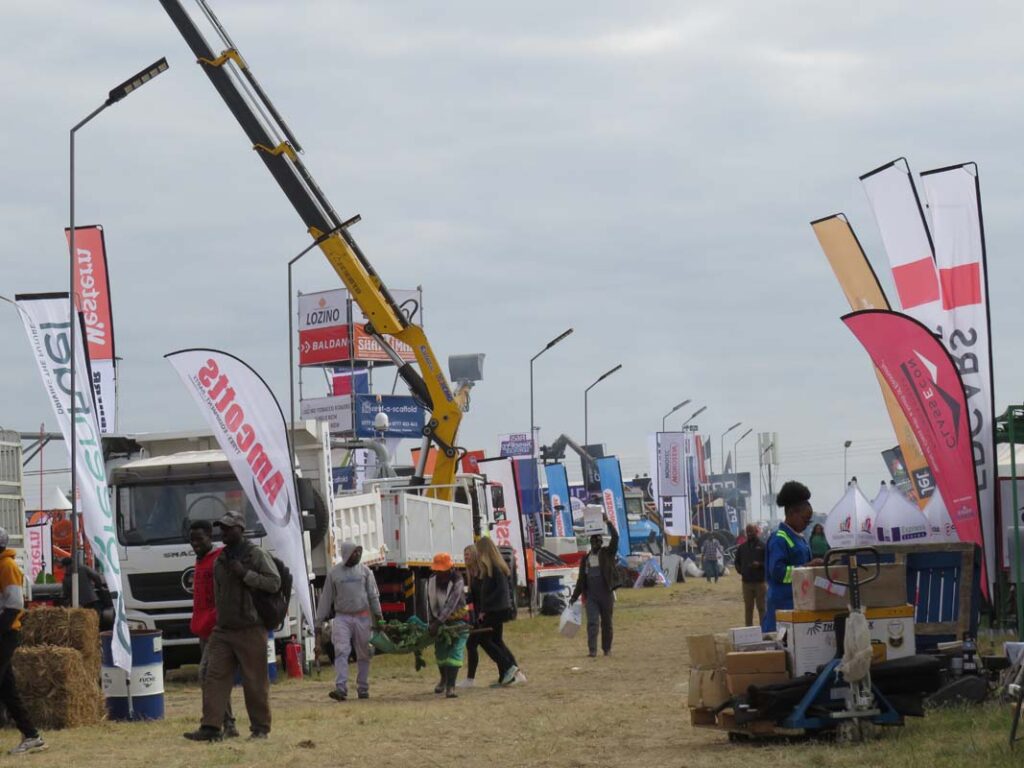
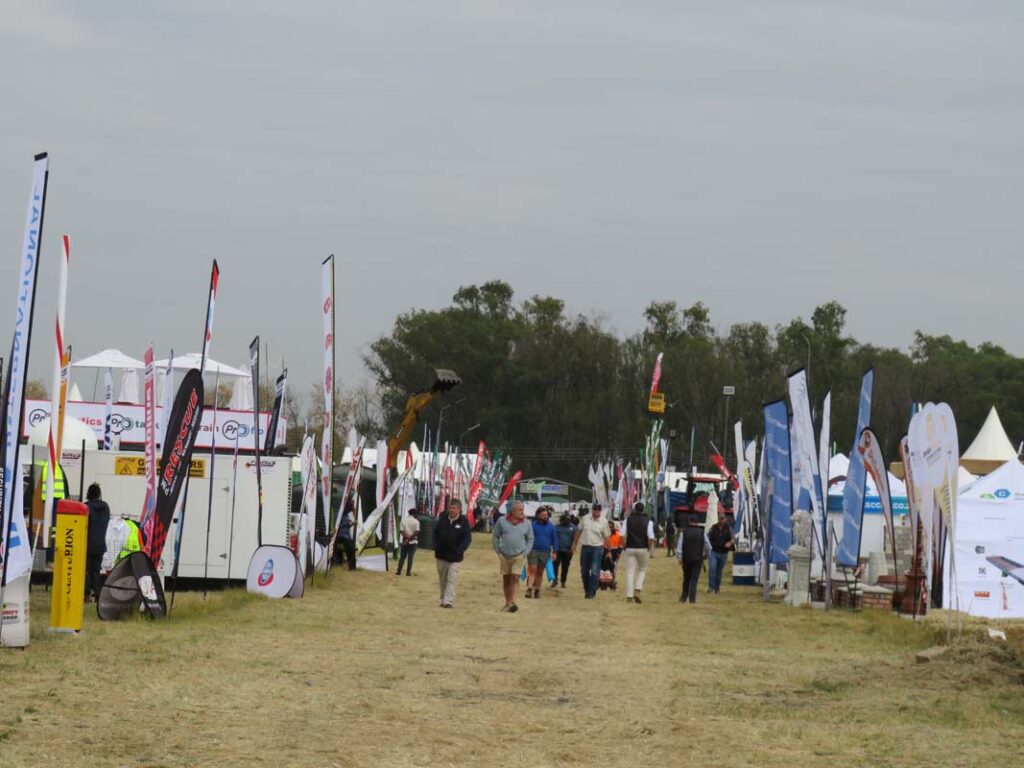
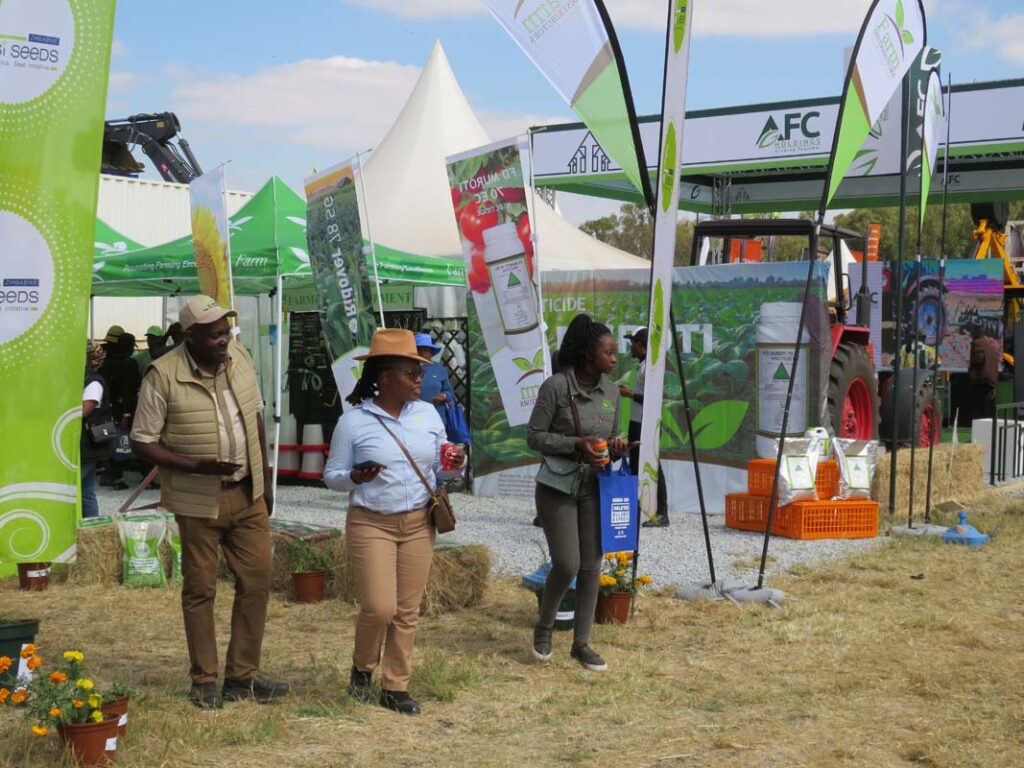
Held annually at ART Farm, typically over a Thursday, Friday and Saturday, between May and June, the three-day event attracts thousands of visitors and this year’s event features over 250 agribusiness exhibitors. Spread across approximately 25 acres, it serves as a central platform where farmers, suppliers, and service providers converge.
The show offers:
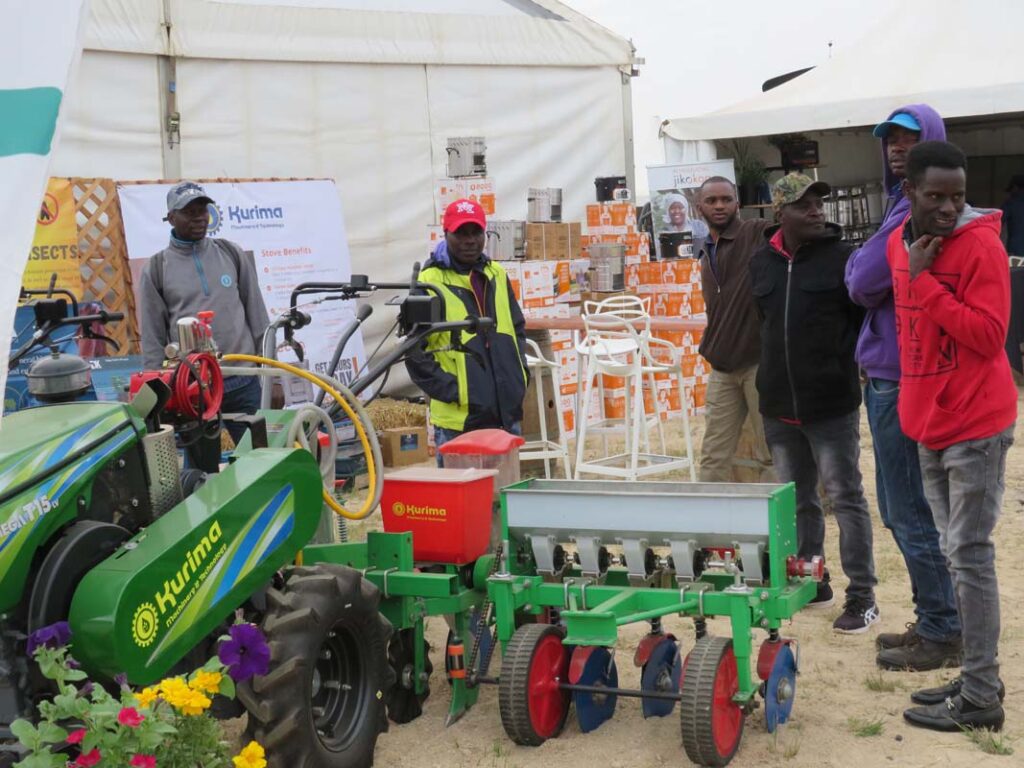
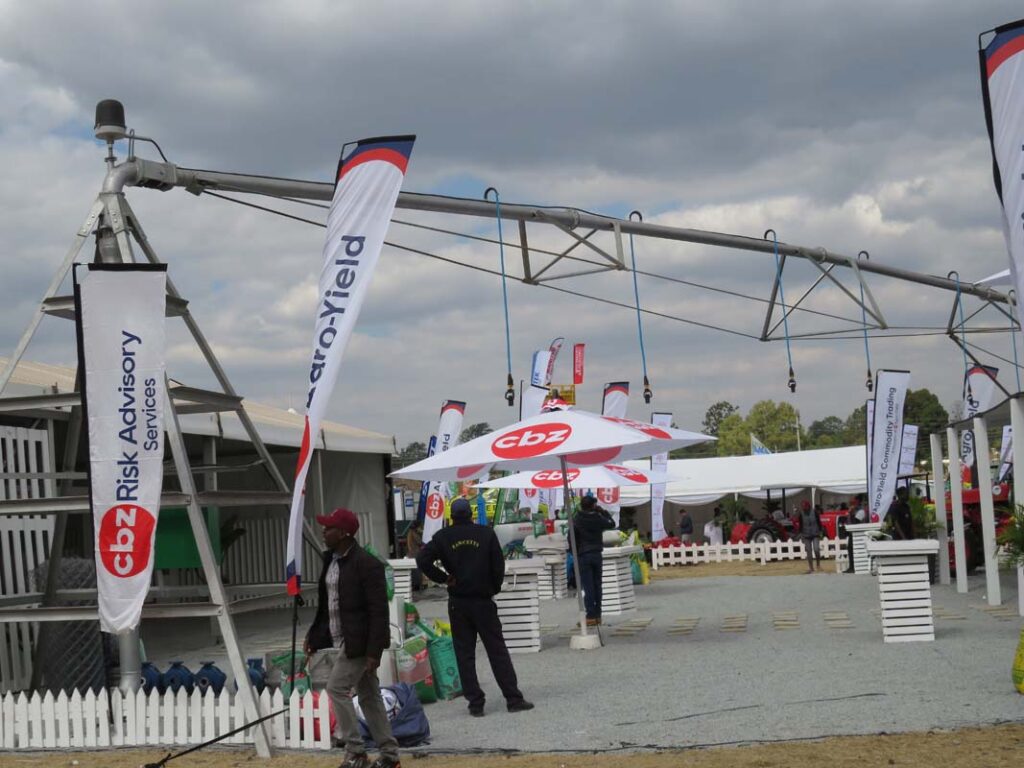
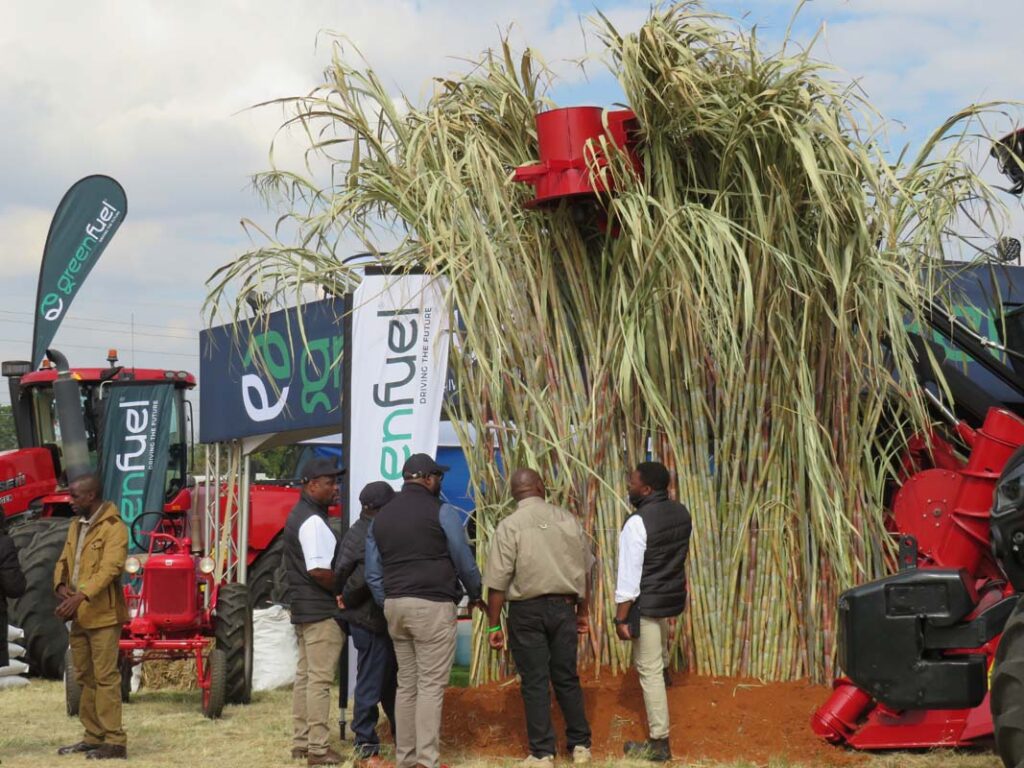
- Machinery and equipment displays (tractors, implements, irrigation systems)
- Seeds, fertilisers, inputs and agrochemicals
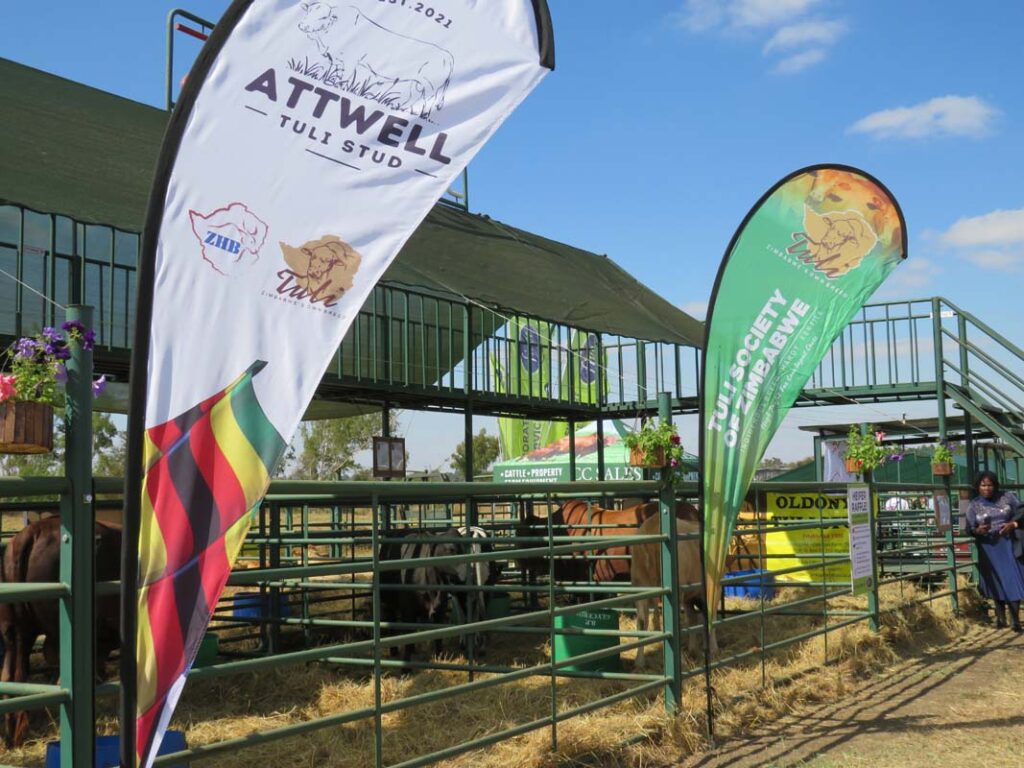
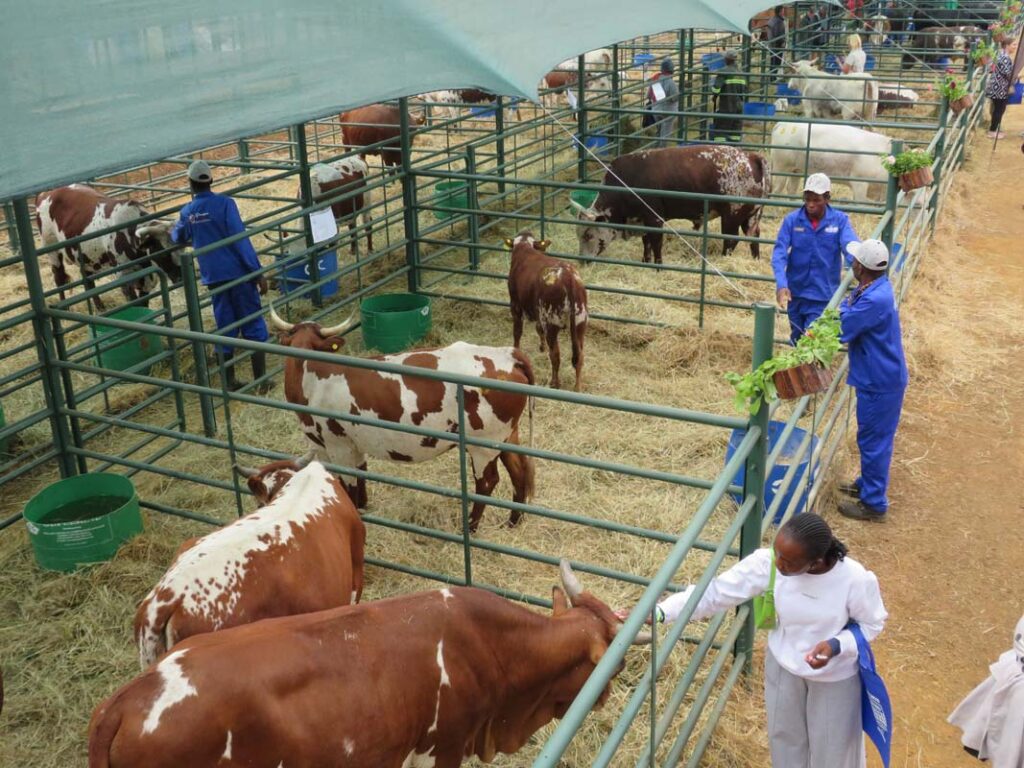
- Indigenous Livestock Breeds exhibition and auction
- Climate-smart and precision agriculture solutions
- Financial institutions, insurers, and agri-service providers
While live machinery demonstrations are not yet a feature, it is rumoured that there are plans to introduce dedicated demo days in the near future.
At its core, Agrishow provides farmers with a rare opportunity to compare products side-by-side and make informed purchasing decisions, while giving suppliers a powerful platform to launch innovations and drive seasonal sales.
Beyond the brochure: the real Agrishow experience
All of that is accurate but it doesn’t quite capture what Agrishow has become.
Because somewhere along the way, almost by accident, it evolved into something far bigger than a trade exhibition. Today, it sits firmly as one of the most significant social events on Zimbabwe’s farming calendar.
By Friday afternoon, the tone shifts. The business shirts loosen, the crowds thicken, and the stands begin to hum with a different kind of energy. What starts as product engagement turns into reunion. Farmers, suppliers, old friends, and industry players, many of whom see each other only once a year, in this exact place, settle in for an evening that has become as much a tradition as the show itself.
Service providers, recognising this shift, have leaned into it. Music spills across the exhibition grounds - sometimes DJs, sometimes live local bands - layered over the unmistakable soundtrack of bottles opening and drinks pouring. As the sun sets and the stands glow under evening light, and what was once a purely commercial space becomes something closer to a festival.
And then, just as quickly, Saturday morning brings the reset.
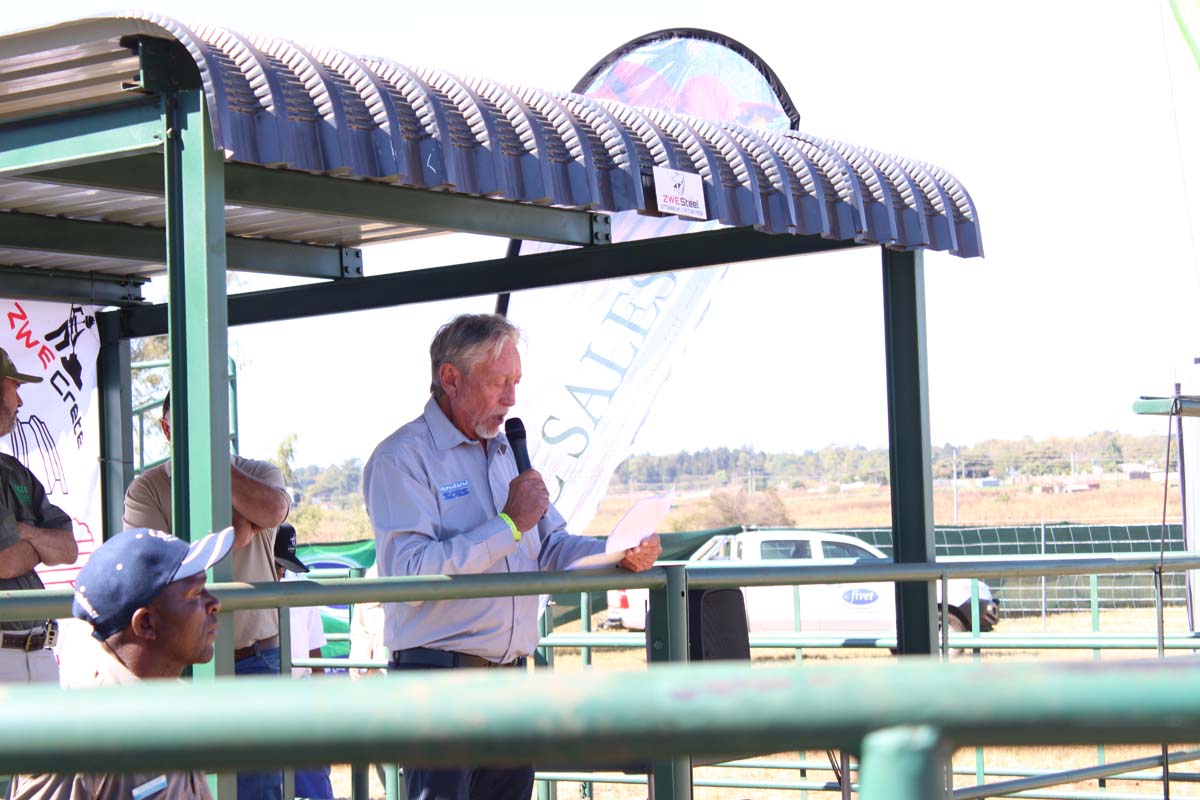
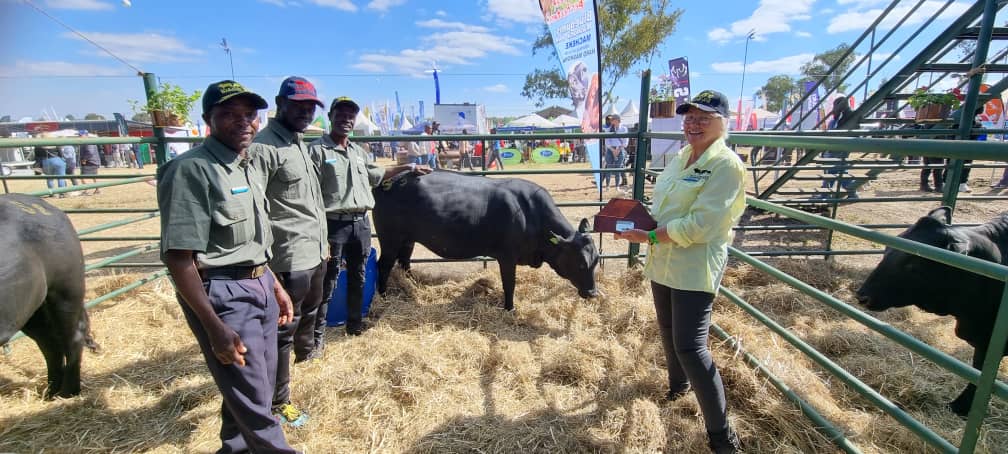
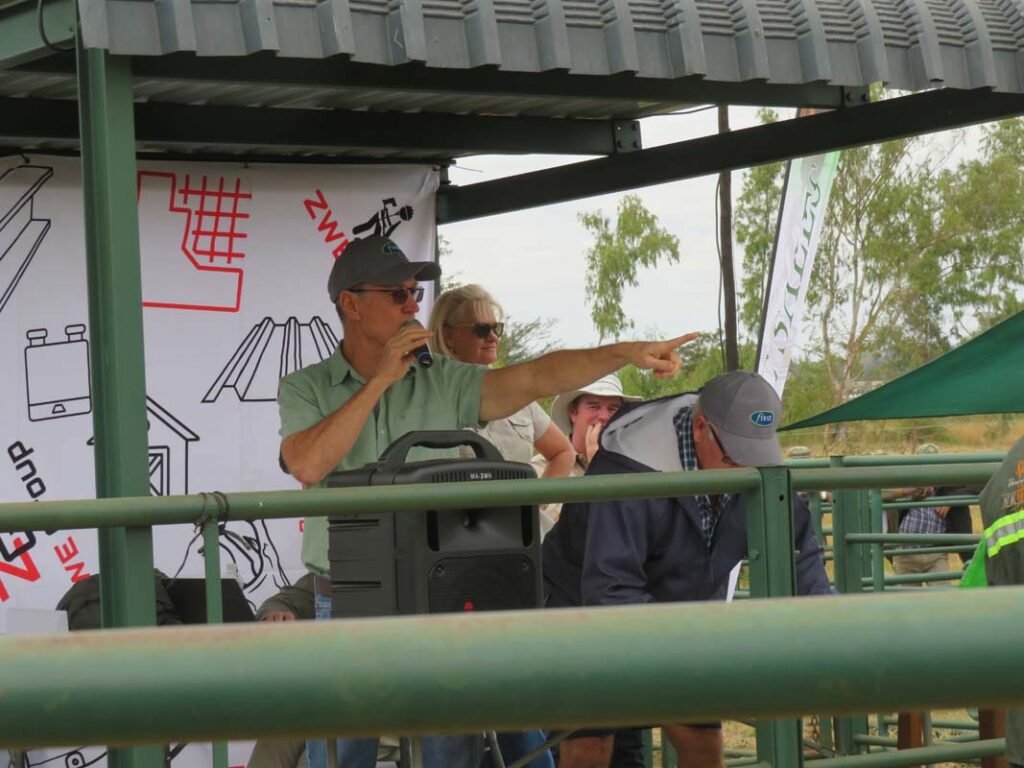
The Indigenous Breeds Cattle Expo and Sale (an addition introduced in 2024) has reintroduced a sense of balance to the event, a reminder of its agricultural roots. It draws a different kind of crowd: early risers, serious buyers, and those simply there to admire the quality of indigenous livestock breeds on display.
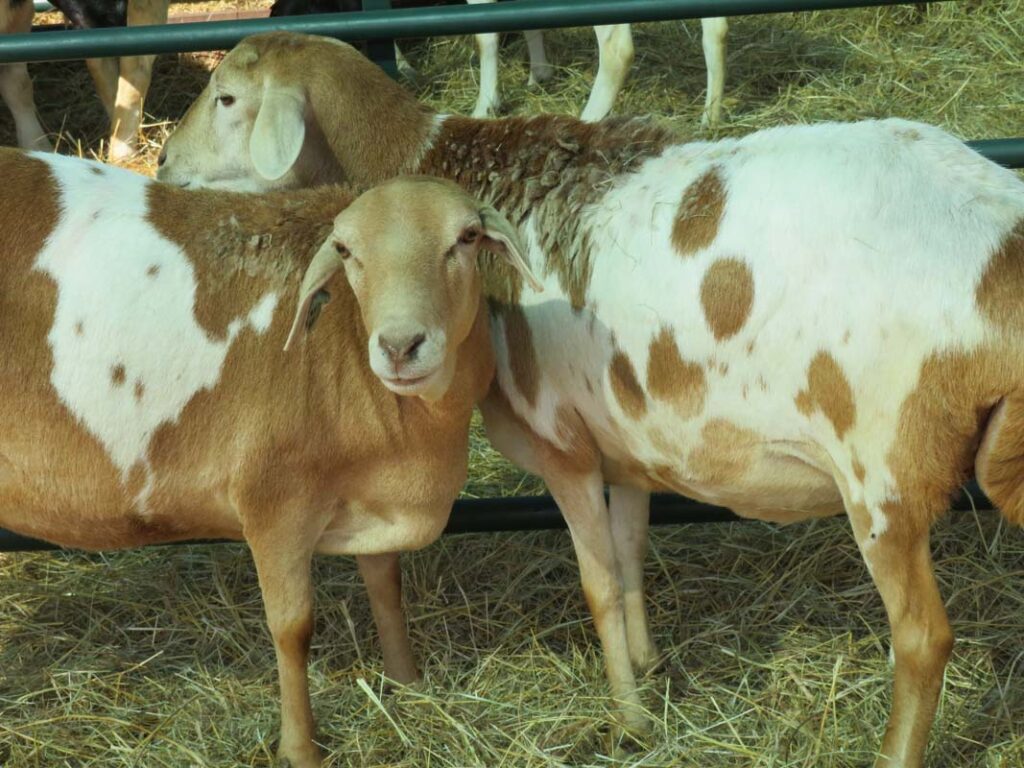
It is an important fixture as it is the only livestock sale dedicated to our three indigenous Sanga cattle breeds, the Mashona, Nkone and Tuli. This year, Sabi/Nguni and Dorper (although the Dorper is not indegouns, it is an adapted breed, well suited to thrive in our Zimbabwean climate) sheep will also, for the first time, go under the hammer
What remains constant throughout the three day extravaganza, is the sheer scale of the spectacle.
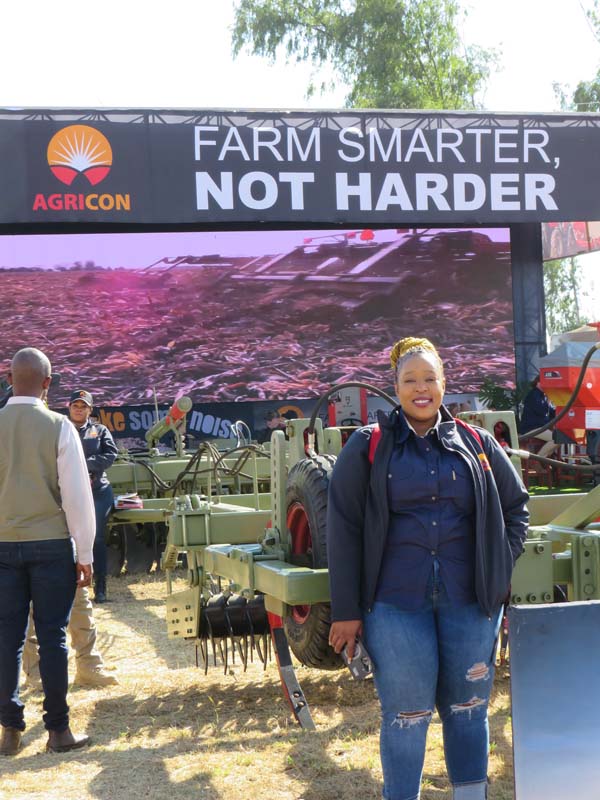
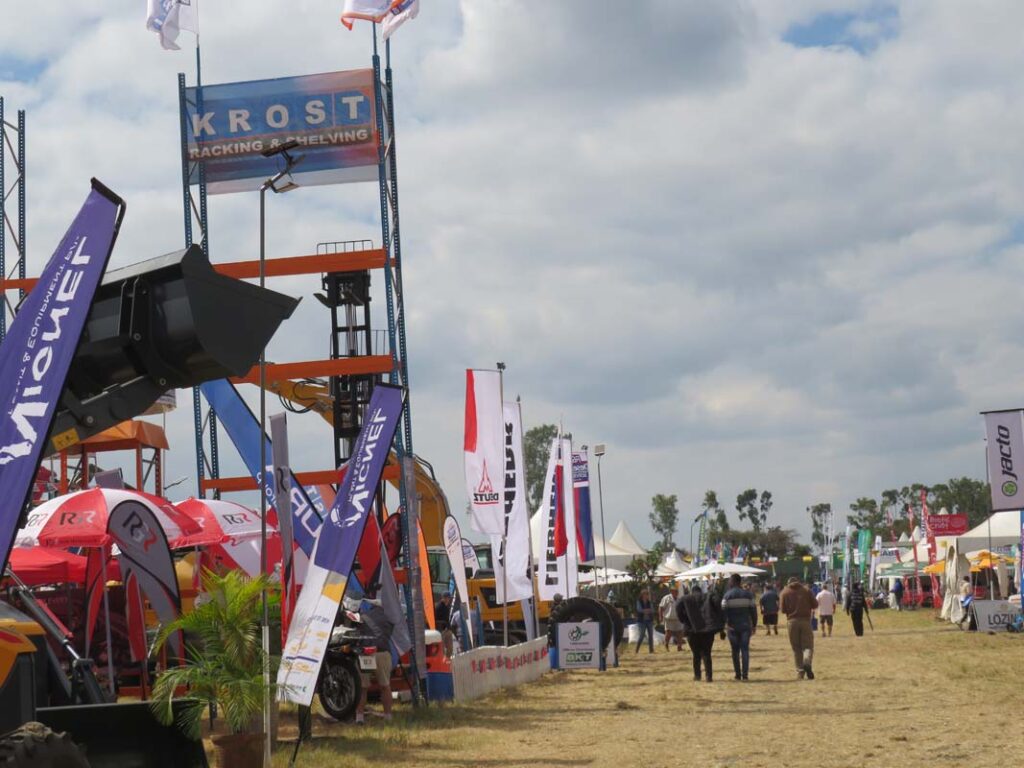
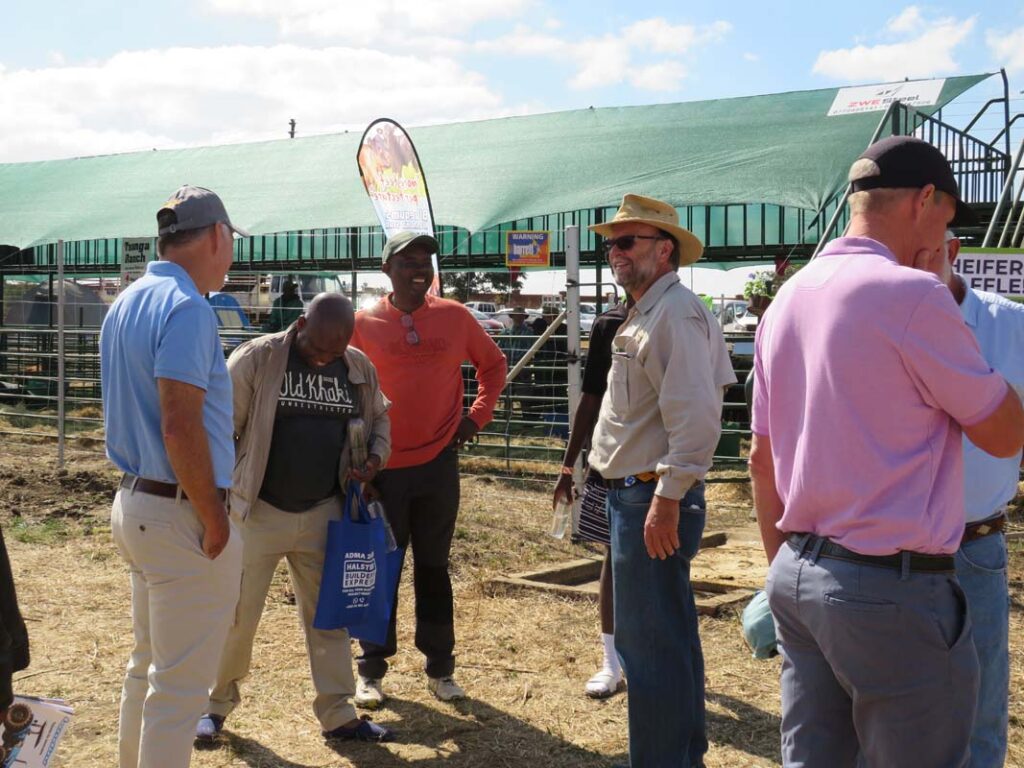
Teardrop banners ripple above the crowds. Balloons hover over stands. Machinery gleams in long, ordered rows. Tents stretch as far as the eye can follow. And movement through it all is rarely efficient, because in Zimbabwe, no one simply walks past a familiar face. Progress is measured in greetings, handshakes, and catch-ups.
Coffee stalls and food vendors thrive. Conversations stretch. Time slips.
You might bump into a cabinet minister, or just as importantly, someone you last saw in this exact spot a year ago.
For the organisers, it is undoubtedly the biggest event of the year. For exhibitors, it’s a critical commercial platform. But for many who attend, what lingers are not just the deals or displays, it’s the atmosphere.
The scale. The energy. The people. And, of course, the dust, still clinging to a good pair of walking shoes long after the weekend has passed.

Related Content