Zimbabwe issues early El Niño warning ahead of 2026/27 rainy season
HARARE – Zimbabwe’s weather authorities have issued an early preliminary warning over a possible El Niño event during the 2026/27 rainy season, urging the public and key sectors to begin precautionary planning while cautioning against panic-driven decisions.
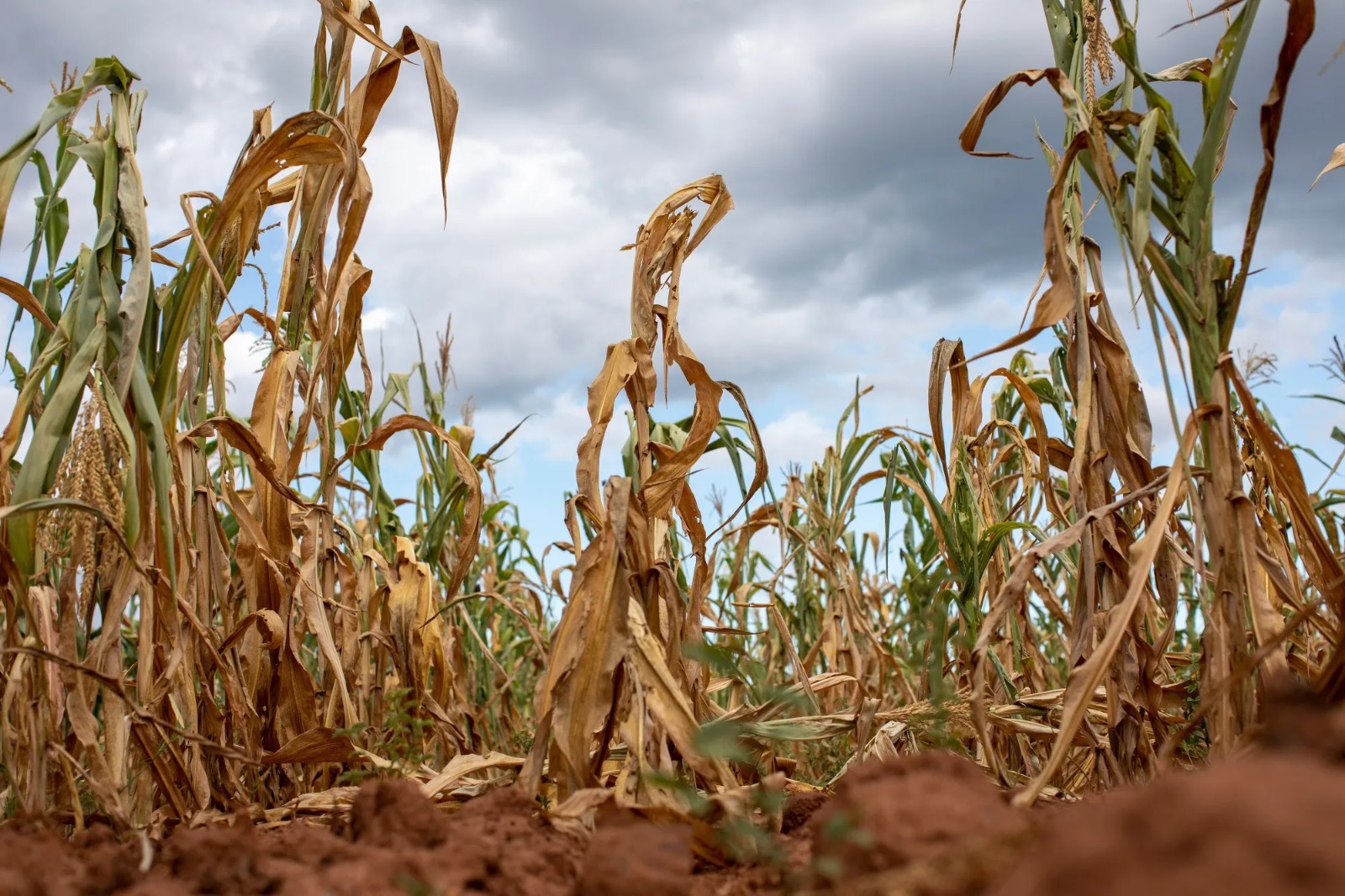
The Zimbabwe Meteorological Services Department (MSD) announced on 29 April 2026 that global climate forecasting centres are indicating an 88% to 94% probability that El Niño conditions could develop later this year. Historically, El Niño events have been associated with a 65% chance of below-normal rainfall in Zimbabwe, often resulting in drought conditions, reduced agricultural output, and increased pressure on water resources.
The warning comes as Zimbabwe and the wider Southern African region continue strengthening disaster preparedness systems following severe climate-related shocks experienced in recent years.
However, the MSD emphasised that the current projections remain preliminary and should not yet be interpreted as confirmation of a drought season.
Early warning, not final forecast
In its statement, the department highlighted the scientific uncertainty surrounding long-range seasonal forecasting, particularly during the period known as the “spring predictability barrier.” This phenomenon, common in El Niño forecasting between March and May, can significantly affect the accuracy of early climate model projections.
Meteorologists explained that atmospheric and oceanic conditions may still evolve considerably before the onset of the rainy season, meaning current model outputs could strengthen, weaken, or shift entirely in the coming months.
As a result, the MSD has not yet issued its official seasonal rainfall forecast and advised stakeholders against making major agricultural or financial decisions based solely on the preliminary alert.
The department said a more definitive National Climate Outlook Forum (NACOF) forecast will be released in August 2026 following the Southern African Development Community Climate Outlook Forum (SARCOF), incorporating updated regional and global climate data.
Preparedness without panic
Despite the uncertainty, authorities say the early advisory is intended to support proactive preparedness under the Early Warnings for All (EW4All) initiative, which aims to strengthen protection against hazardous weather and climate events through improved monitoring, communication, and response systems.
The MSD encouraged communities, farmers, businesses, and policymakers to begin adopting climate-resilient measures while remaining calm.
Recommended actions include:
- conserving water resources,
- identifying drought-tolerant seed varieties,
- strengthening irrigation planning,
- and monitoring official weather updates regularly.
The department stressed that preparedness should not be confused with alarmism.
Climate experts note that while El Niño often increases the likelihood of drier conditions in Southern Africa, its impacts are not uniform. Rainfall outcomes can still vary significantly depending on other regional and oceanic climate drivers, with some areas occasionally receiving near-normal or even above-normal rainfall during El Niño years.
Lessons from previous El Niño seasons
Zimbabwe remains highly vulnerable to climate variability due to its dependence on rain-fed agriculture, which supports millions of livelihoods and contributes significantly to national food security.
Previous El Niño episodes have led to:
- prolonged dry spells,
- poor harvests,
- declining dam levels,
- livestock losses,
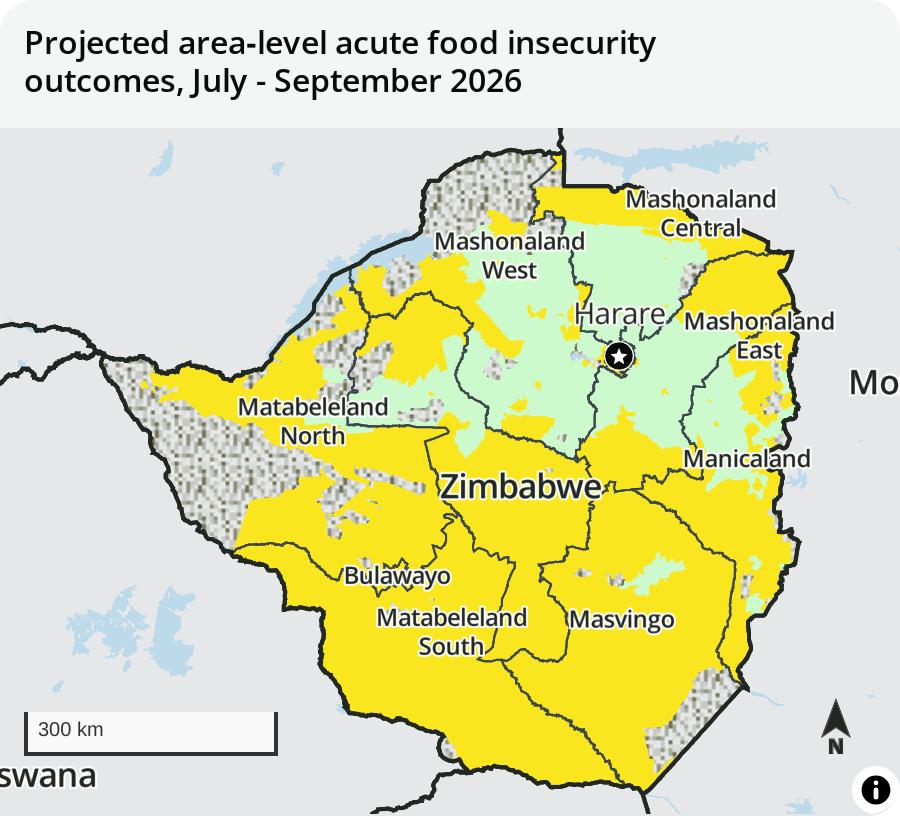
- and rising food insecurity across parts of the country.
The 2023/24 El Niño season, in particular, caused widespread drought conditions across Southern Africa, reinforcing calls for stronger early warning systems and improved climate adaptation strategies.
Analysts say the MSD’s latest advisory reflects a growing shift toward anticipatory climate governance, where authorities communicate emerging risks early enough for communities and institutions to prepare before conditions deteriorate.
Watchful waiting ahead of August outlook
For now, experts say the current phase should be viewed as a “watch and prepare” period rather than confirmation of an impending drought disaster.
The August 2026 NACOF forecast is expected to provide a clearer picture of the likely rainfall outlook for Zimbabwe and the broader region ahead of the main agricultural season.
Until then, the MSD says it will continue monitoring global climate developments and issuing updates through official communication channels as conditions evolve.

Related Content