Kariba power water cut by more than a third as El Niño threatens dry season
Farmers urged to plan early as regional forecasters warn of below-normal rains
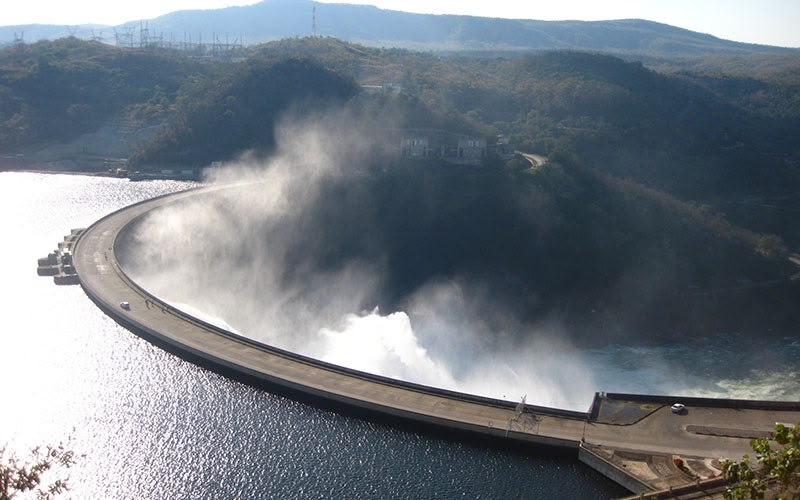
The Zambezi River Authority (ZRA) has cut the volume of water set aside for power generation at Kariba in 2027 to 23 billion cubic metres (BCM), down from 36 BCM this year. The authority says it is preparing for a strong El Niño and a dry 2026/27 rainfall season.
ZESCO Limited and the Zimbabwe Power Company (ZPC) will get 11.5 BCM each, half of the 18 BCM each utility was given for 2026. That is a cut of about 36 percent.
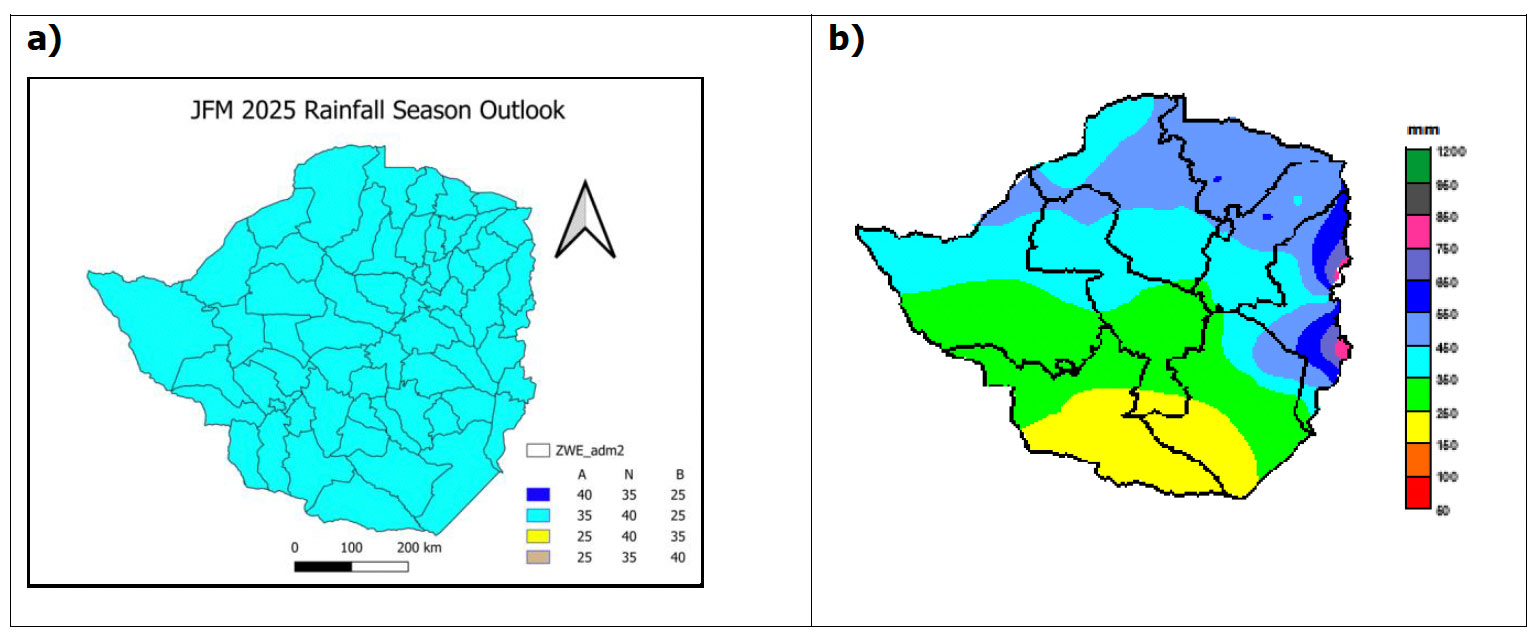
ZRA said it based the decision on the outlook from the Thirty-Third Southern Africa Regional Climate Outlook Forum (SARCOF-33), held in Swakopmund, Namibia, from 25 to 28 August. It also used downscaled forecasts from the Zambian and Zimbabwean meteorological services and its own projections of how much water will flow into the lake.
A dry season ahead
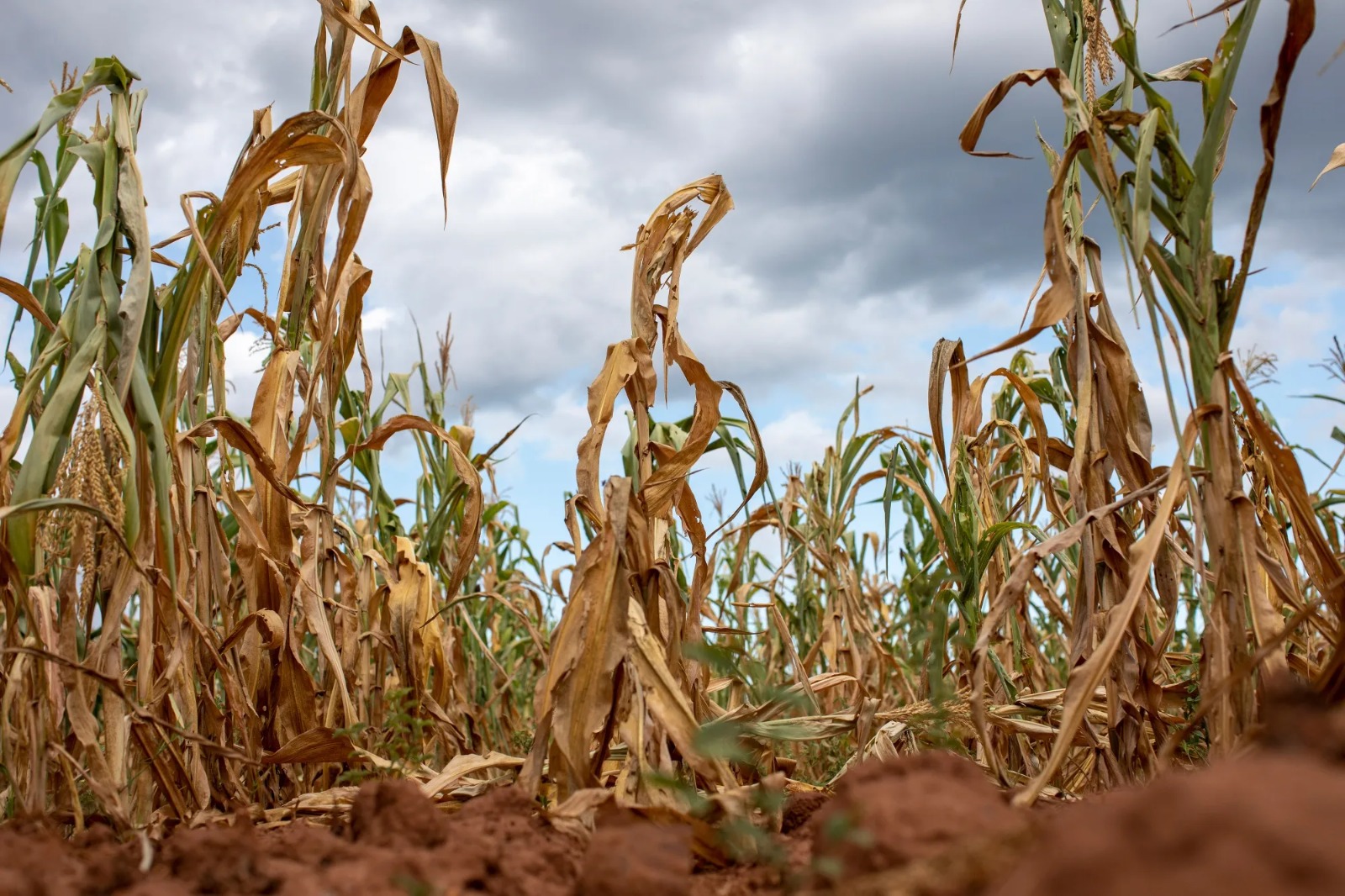
SARCOF-33 says below-normal rainfall is more likely than usual across much of central and southern SADC between October 2026 and March 2027. This is because El Niño conditions have developed in the tropical Pacific and are expected to strengthen.
For southern Zambia and much of Zimbabwe, below-normal rains are expected early in the season. The dry conditions are likely to spread across most of both countries from January to March 2027.
Lake in better shape than last year
The cut comes even though the lake is much fuller than it was a year ago. On 14 October, Lake Kariba stood at 480.65 metres above sea level and held 23.77 BCM of usable water, which is 36.68 percent of usable storage. On the same date in 2025, the level was 477.34 metres and usable water was just 8.25 BCM, or 12.75 percent.
ZRA credited the good inflows of the 2025/26 rainy season for the recovery. Those inflows allowed it to raise the 2026 allocation from 30 BCM to 36 BCM.
The authority expects the lake to end 2026 with 16.24 BCM of usable water, about 25 percent live storage. If the 2027 allocation is used in full, the lake would close next year at 476.80 metres with only 5.83 BCM of usable water, or 9 percent live storage.
What's left for 2026
As of mid-October, ZPC's Kariba South Bank Power Station had 6.13 BCM left of its 18 BCM allocation (34.09 percent). ZESCO's Kariba North Bank Power Station had 3.53 BCM left (19.66 percent).
What it means for agriculture
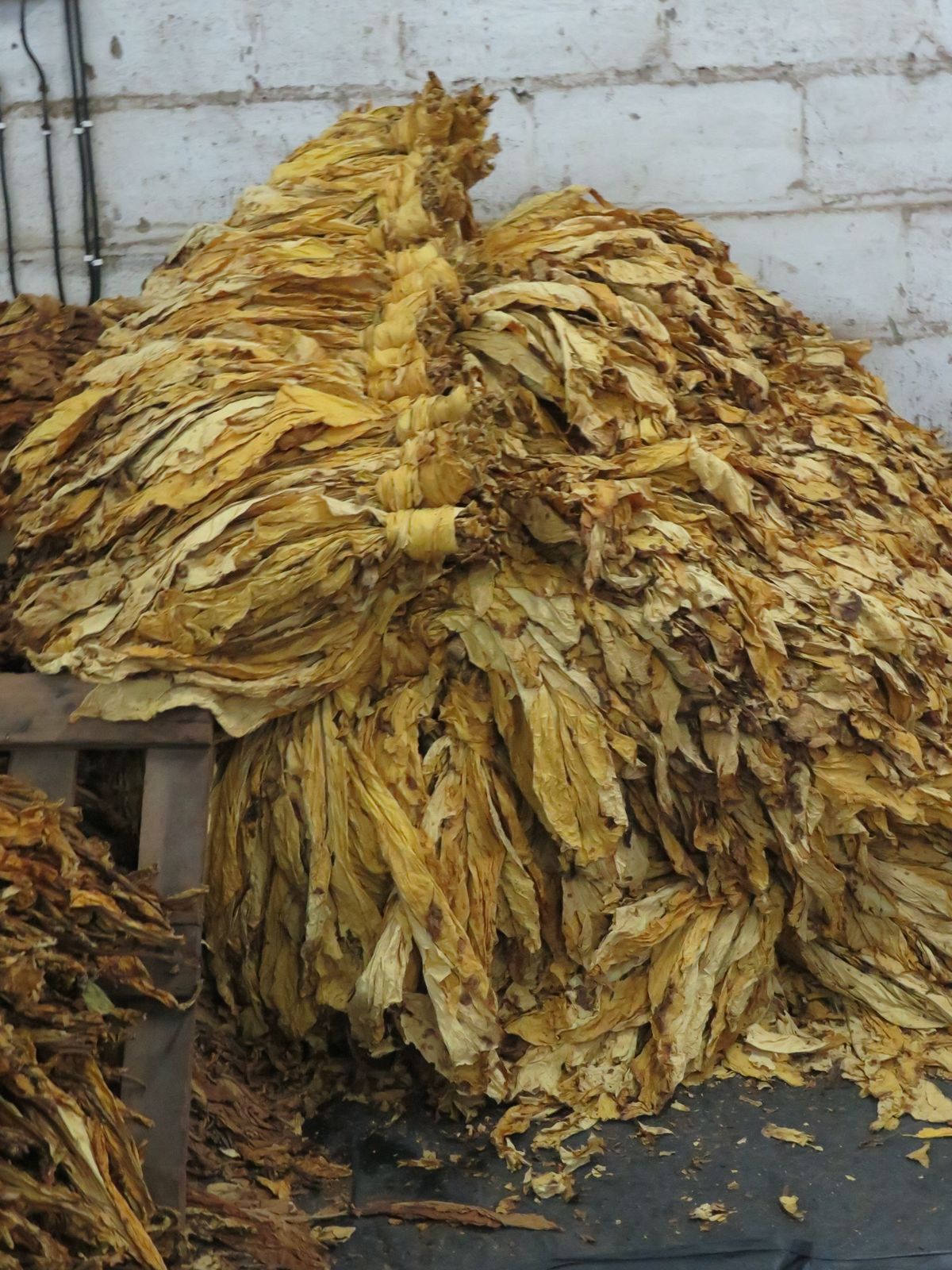
Kariba is one of Zimbabwe's main sources of electricity, so a smaller allocation affects every farm that depends on grid power. That includes irrigation pumps, cold rooms, dairies, poultry houses and tobacco curing. Together with forecasts of a poor rainy season, the outlook gives farmers strong reasons to plan now. That could mean looking at drought-tolerant and early-maturing varieties, conserving moisture, storing water and having backup power for critical operations.
ZRA said it will keep monitoring water use daily and coordinating with the two utilities through joint technical committees. It will tell the public about any operational decisions as it completes further assessments. It encouraged farmers and the public to follow updates from the authority and from the national meteorological services, and described the SARCOF-33 outlook as an important basis for early planning.


Related Content