Preparing for the 2026–27 El Niño season: Variety selection for successful tobacco production
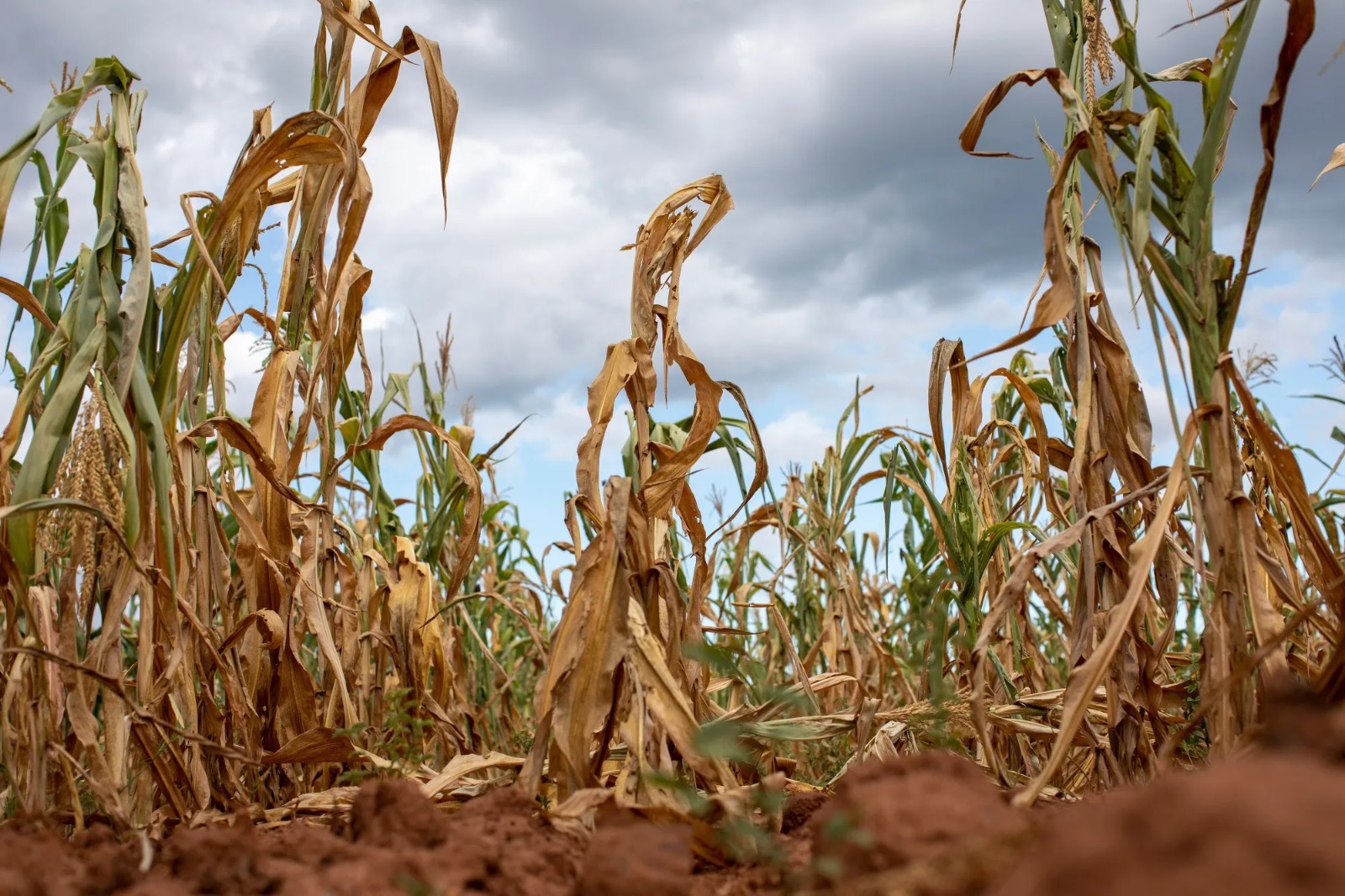
The forecast of a possible super El Niño during the 2026–27 agricultural season has understandably raised concerns among farmers across Zimbabwe. El Niño conditions are often associated with below-normal rainfall, prolonged dry spells, high temperatures, and increased moisture stress factors that can significantly reduce crop productivity if farmers are unprepared. However, an El Niño forecast should not be viewed as a prediction of inevitable crop failure. Rather, it is an early warning that provides an opportunity to prepare. Experience has consistently shown that farmers who plan ahead by selecting suitable varieties and adopting appropriate crop management practices are better positioned to withstand seasonal challenges and achieve satisfactory yields. At Kutsaga, we believe that resilience begins with science.
For more than 75 years, our research has focused on developing technologies and climate-smart solutions that enable tobacco growers to remain productive under changing environmental conditions. Through continuous breeding efforts, agronomic research, and crop protection innovations, Kutsaga has developed varieties and management practices specifically designed to help farmers adapt to climate variability. This article outlines the recommended tobacco varieties for the anticipated El Niño conditions during the 2026–27 season.
In Zimbabwe, El Niño conditions are typically associated with below-normal rainfall, prolonged dry spells, above-average temperatures, and high evaporative demand. These conditions can adversely affect every stage of tobacco production, from seedbed establishment and transplanting to crop growth, harvesting, and curing. Under these challenging conditions, successful tobacco production will depend less on reacting to pest and disease outbreaks after they occur and more on implementing proactive management strategies before planting. Early planning, good field sanitation, the selection of climate-resilient varieties, efficient water management, and the timely protection of young plants will be critical to maintaining yield, leaf quality, and overall crop performance during the 2026/27 season. With this in mind, we will examine the tobacco varieties best suited to the anticipated El Niño required to minimise their impact.
Variety selection in the face of El Niño
As climate variability intensifies, selecting varieties that match anticipated environmental conditions becomes increasingly important. Farmers cannot afford to treat seed selection as a routine purchase. It is a strategic investment that determines the crop’s ability to tolerate drought, resist disease and produce profitable yields. The experiences of the previous tobacco season provide valuable lessons. Choosing the right variety becomes one of the most critical management decisions for the coming season. Given the forecast of hot and dry conditions growers are strongly advised to select varieties with proven drought resistance mechanisms. This is a key adaptation strategy that will help minimise the impact of moisture and heat stress, maintain productivity, and improve the chances of achieving profitable yields under challenging El Niño conditions.
Recommended varieties for the 2026–27 season
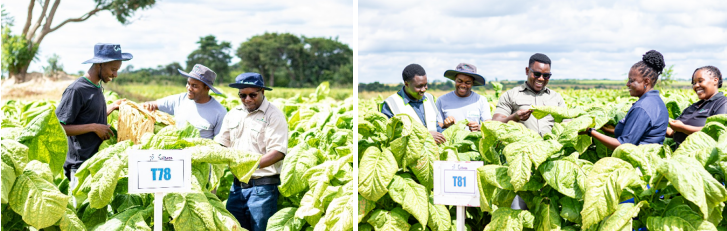
T78, T79, T80 and T81 (on limited release) are highly recommended for the 2026–27 season because they possess a drought escape mechanism. These varieties establish and develop rapidly, enabling them to complete most of their growth before severe moisture stress sets in thereby minimising the adverse effects of prolonged dry spells and extreme temperatures associated with El Niño. They were specifically bred for production in low-rainfall, high-temperature environments making them well suited to seasons with below-normal rainfall. Under favourable growing conditions and in high-potential production areas, these varieties have demonstrated yield performance that matches or surpasses many of the currently popular commercial varieties, while maintaining excellent cured leaf quality.
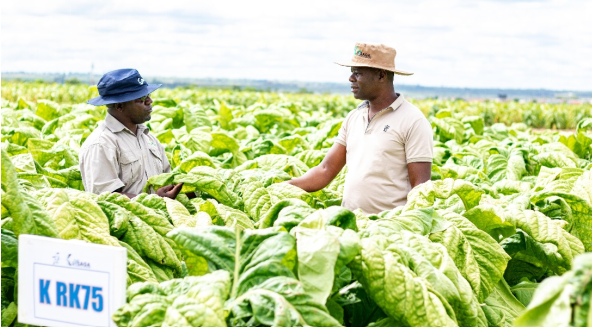
K RK71 and K RK75 are also recommended due to their excellent drought tolerance. These varieties develop deep and vigorous root systems that enable them to extract moisture from deeper soil layers during dry periods. In addition, they possess a strong capacity to recover and resume growth following drought stress, making them reliable choices for growers in areas prone to intermittent dry spells and erratic rainfall.
K RK66 and K RK76 are high-yielding, high-performing varieties under favourable growing conditions. However, they are recommended strictly for irrigated production, particularly in the 2026-27 season which is forecasted to experience below-normal rainfall and high temperatures. K RK66 is highly moisture-demanding, while K RK76 is particularly sensitive to heat and moisture stress. Under such conditions, both varieties are more prone to sun scorch and sunscald, resulting in reduced leaf quality and yield.
Science, not speculation: Understanding the 2025/26 early flowering phenomenon
The premature and early flowering observed during the 2025/26 tobacco season caused understandable concern among growers across the country. Unfortunately, this also gave rise to misconceptions with some attributing the problem to the genetic makeup of certain tobacco varieties rather than the prevailing environmental conditions. Scientific investigations conducted by Kutsaga confirmed that early flowering was not a genetic defect, but a physiological response to an unusual combination of prolonged overcast conditions and persistently low temperatures experienced during the season in particular during the period August – October 2025.
These weather conditions temporarily disrupted normal seedling development, triggering premature and early flowering across tobacco crops. The perception that varieties such as K RK26R and K RK76 were more susceptible simply reflected their widespread adoption. Together, these two varieties account for more than 75% of Zimbabwe's tobacco hectarage with K RK26R occupying about 48% and K RK76 about 27% of the market. Consequently, because they were grown on the largest area, they were also the most visible among the affected crops. This created the impression that the varieties themselves were at fault, when in fact the entire tobacco crop had been exposed to the same adverse weather conditions. This experience underscores an important lesson for growers: production decisions should always be guided by scientific evidence rather than speculation. By distinguishing temporary environmental effects from genuine genetic limitations, research enables farmers to make informed variety choices and avoid unnecessary changes based on seasonal anomalies.
For more information, Kutsaga’s dedicated team of researchers eagerly wait to assist growers in the selection of the right tobacco variety for a farming operation. Please contact us on telephone 08688002604 or on 0719 004420 or 0712 881 814 or 0711493274. Our social media platforms are: #Kutsaga/ #Kutsaga Research; Email: kutsaga@kutsaga.co.zw or visit us at our Kutsaga (Harare), Banket and Oriental (Masvingo) Research Stations for assistance.

Related Content