A hands-on approach to Saanen goat dairying in Zimbabwe
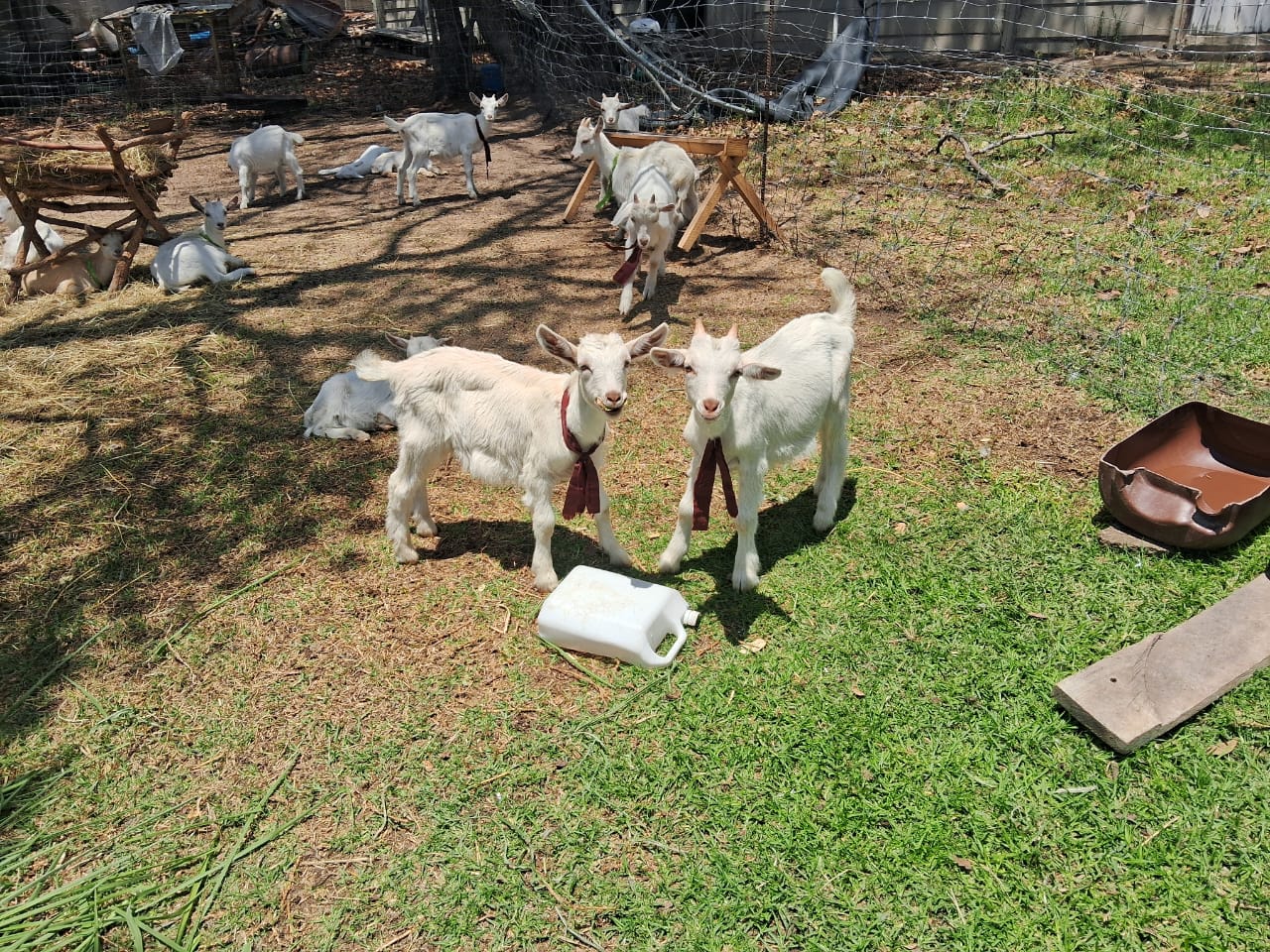
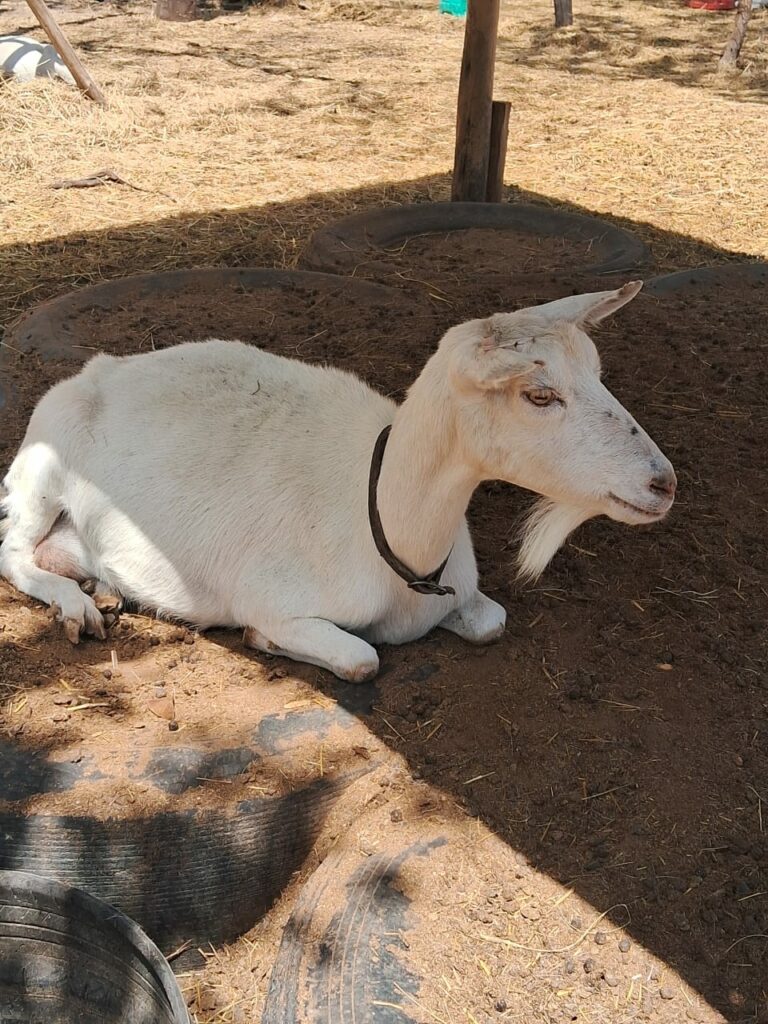
Over the past 13 years, a passion for Saanen goats has developed into a specialist dairy operation, with a herd of around 80 goats and a strong focus on genetics, hands-on management and producing fresh milk and dairy products for the local market.
The herd’s owner admits that everything she knows about keeping dairy goats has been largely self-taught.
Today, around 75 percent of the herd represents new genetics, and milk production has doubled since she began. Her does are currently producing between two and three litres of milk, with good udders and strong genetics among the key characteristics she looks for in her breeding animals.
“I don’t cross breed,” she says, explaining that maintaining the Saanen genetics is an important part of her breeding programme.
A typical day starts early. The first milking takes place at 6.30am, followed by a second milking at 4pm. Both are done by hand. In between, there is a long list of jobs, including feeding, hay and water for the dry does and bucks, bottle-feeding kids three times a day, pelletising feed, and cleaning and repairing pens when necessary. “It’s hectic for two staff and myself,” she says.
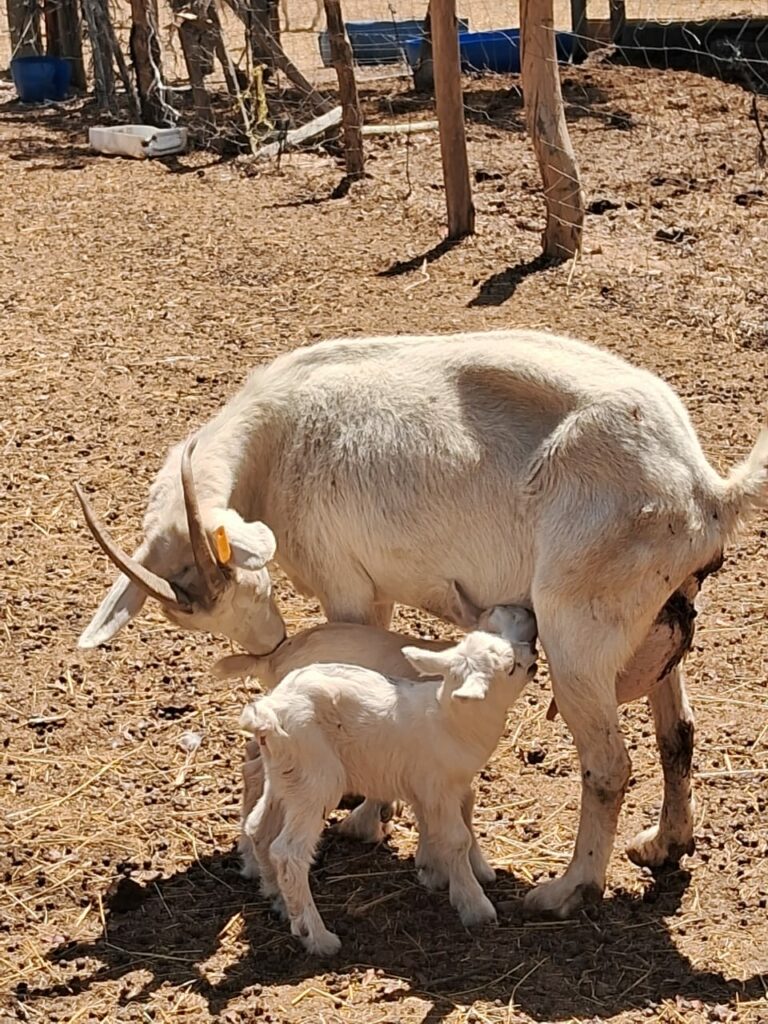
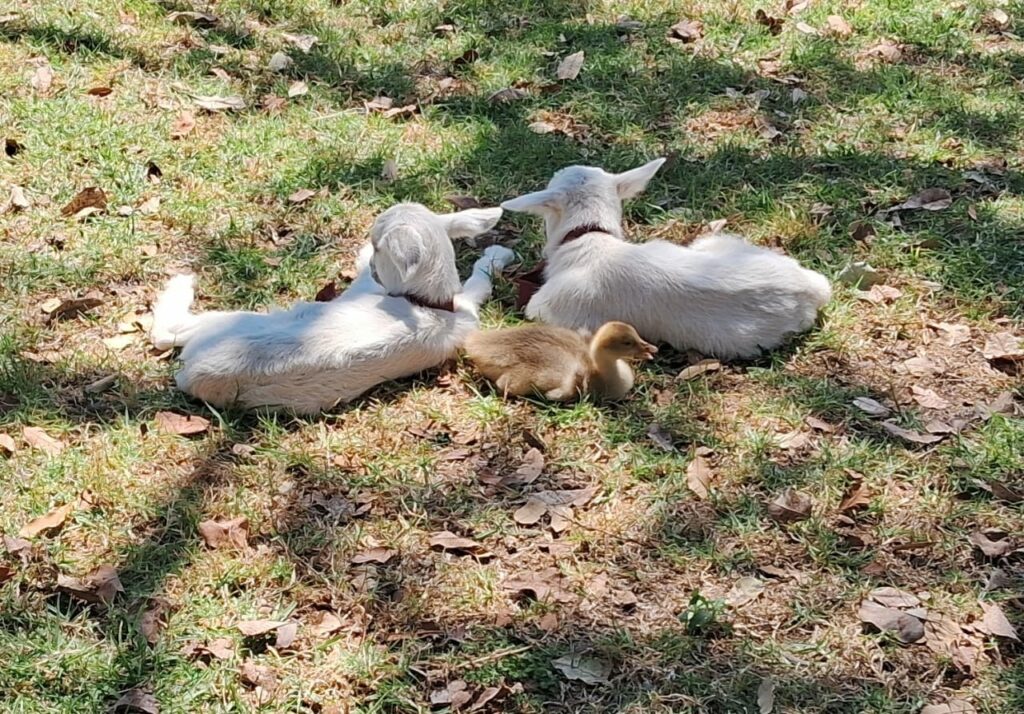
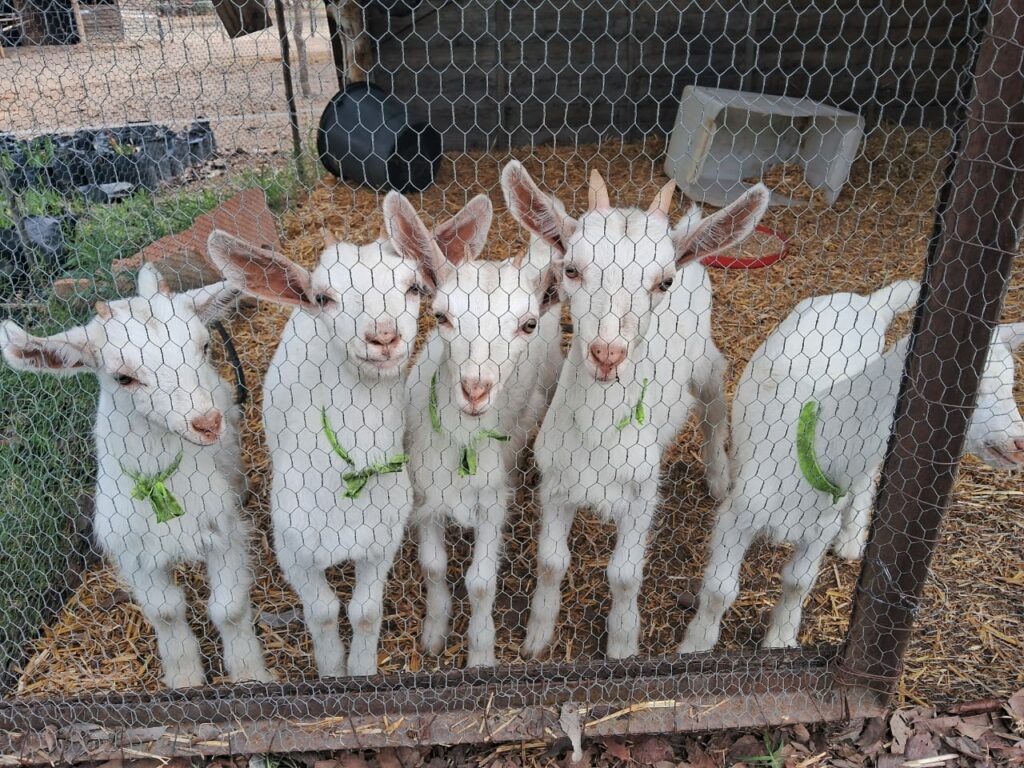
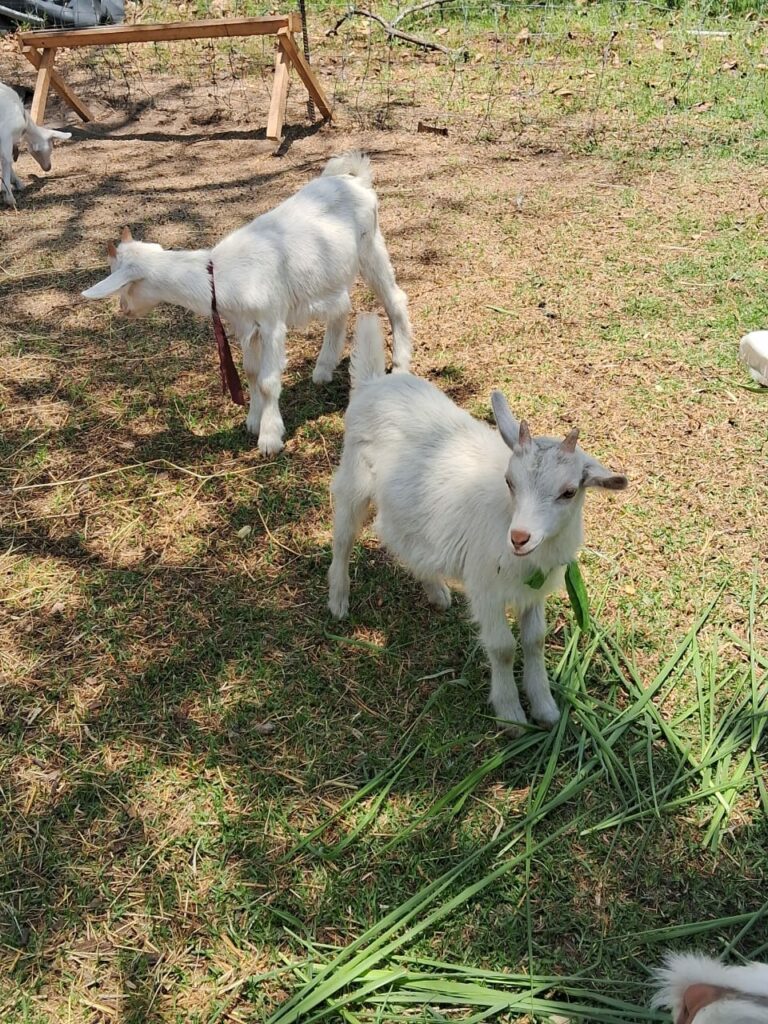
For her, dairy goat farming is very much a hands-on business, and this is particularly evident when it comes to raising kids. She believes young females should not be bred too early and says successful kid rearing requires close attention. “Raising kids is not easy and you need to be hands-on,” she says.
There is a distinctly personal touch to the way she runs the operation. She notices the small details, knows the individual goats and their personalities, understands the pecking order within the herd, and keeps a close eye on everything from feeding and breeding to milking.
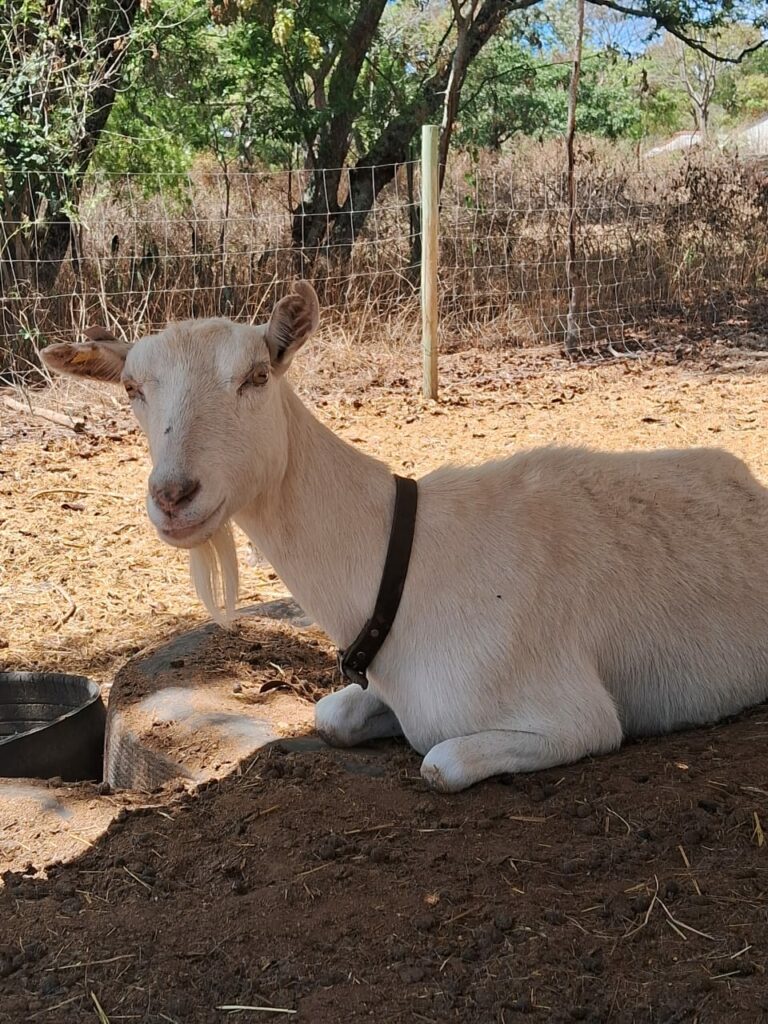
She describes the Saanens as intelligent animals, each with their own character, and says that spending so much time with them means she gets to know their individual personalities and social dynamics. It is also one of the aspects of the business she enjoys most.
That hands-on approach extends across the entire operation. From feeding and breeding to milking and raising kids, there is little that can be left to chance.
Feed management is another important part of keeping the operation sustainable. One of the lessons she has learnt is the value of formulating her own feed, allowing her to manage the nutritional requirements of the herd while keeping a close eye on costs.
While Saanens are often associated with challenges in hotter climates, she says Zimbabwe’s climate has not been a problem for her herd. “They are not like your hardy local goat,” she points out, however, emphasising that dairy goats require considerably more attention and management.
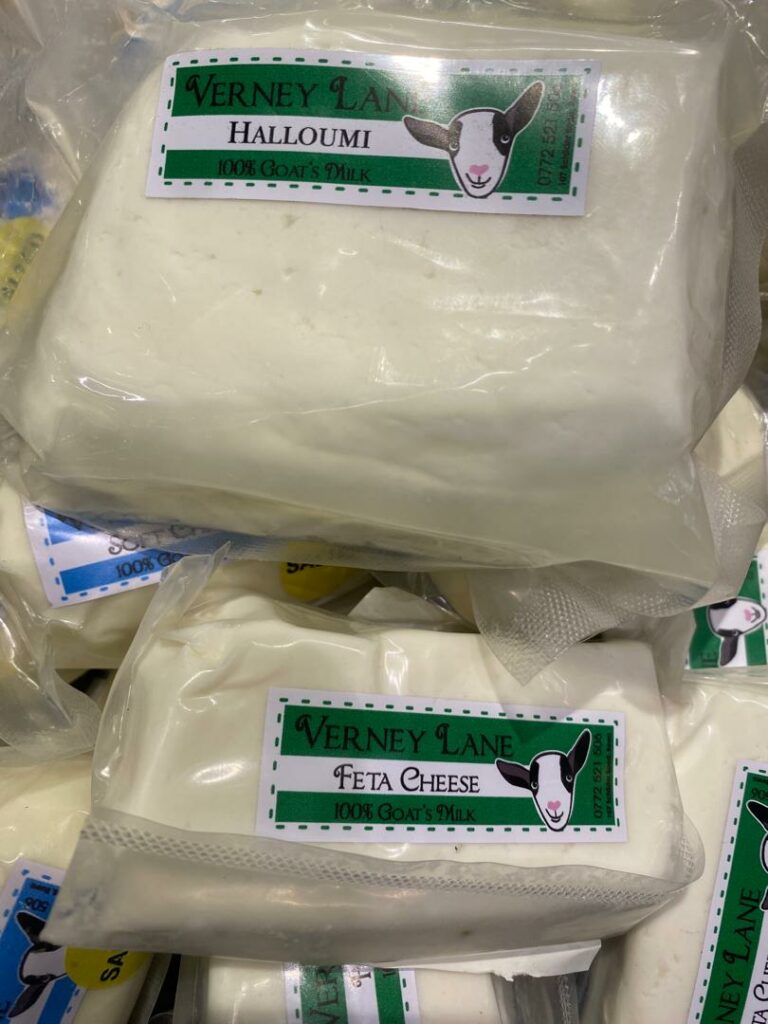
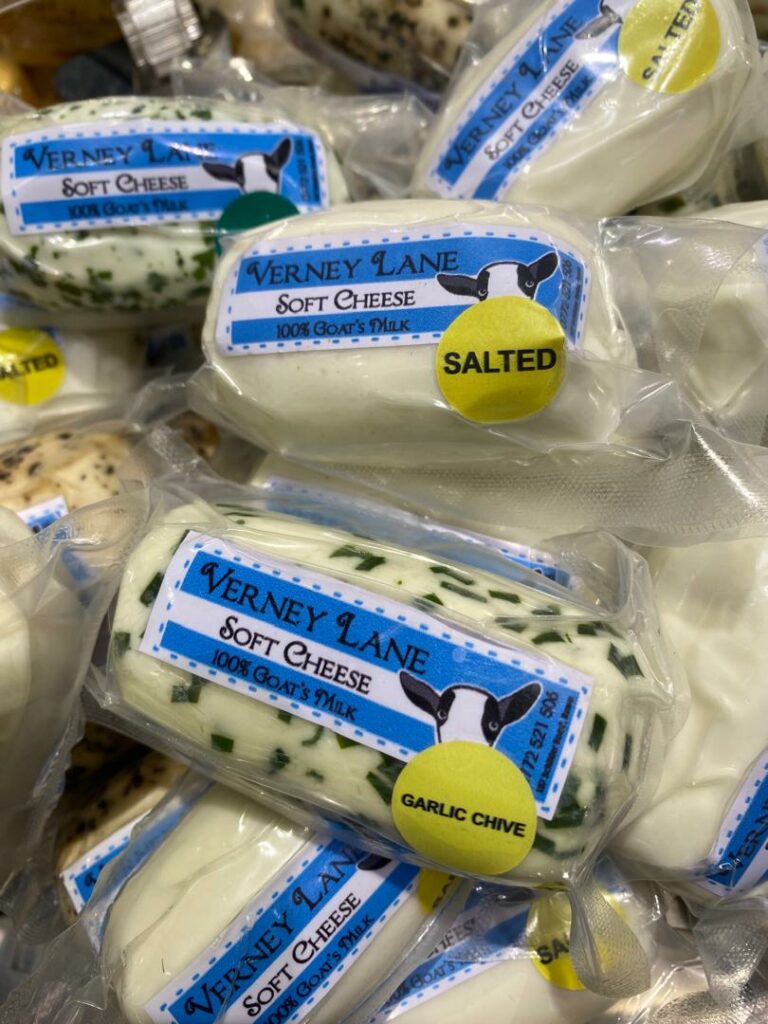
The milk produced by the herd is sold fresh to children and to customers who are lactose intolerant, while some is processed into value-added products including feta, halloumi and flavoured soft rolls. The operation supplies Food Lover’s Market and Kava, with the milk and dairy products sold under the Verney Lane label.
For her, one of the advantages of producing locally is the short distance between farm and customer. The products travel less than 80 kilometres from the farm to market, allowing customers to buy a genuinely fresh, locally produced product while keeping the transport footprint relatively low.
“There is no heavy carbon footprint,” she says, emphasising the value of producing food close to where it is consumed.
Developing a market for goat milk and goat dairy products has not always been straightforward. “It’s not an easy market,” she says, but the range of products provides an opportunity to reach different customers.
After 13 years in the business, perhaps her strongest lesson is that dairy goat farming is not an enterprise that can be left to run itself. “If you are not hands-on, it can go pear-shaped very quickly. It is 24/7.”
Indeed, when asked what advice she would give someone considering starting a small dairy-goat operation, her response is characteristically frank: “Try something else! This is not an easy operation.”
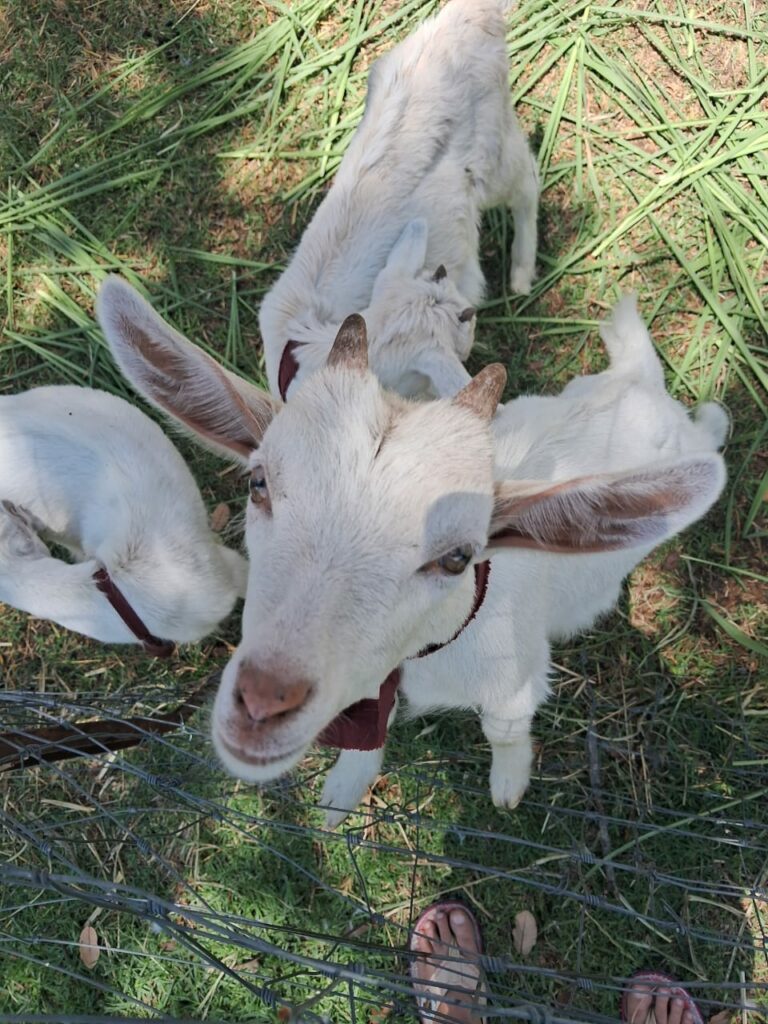
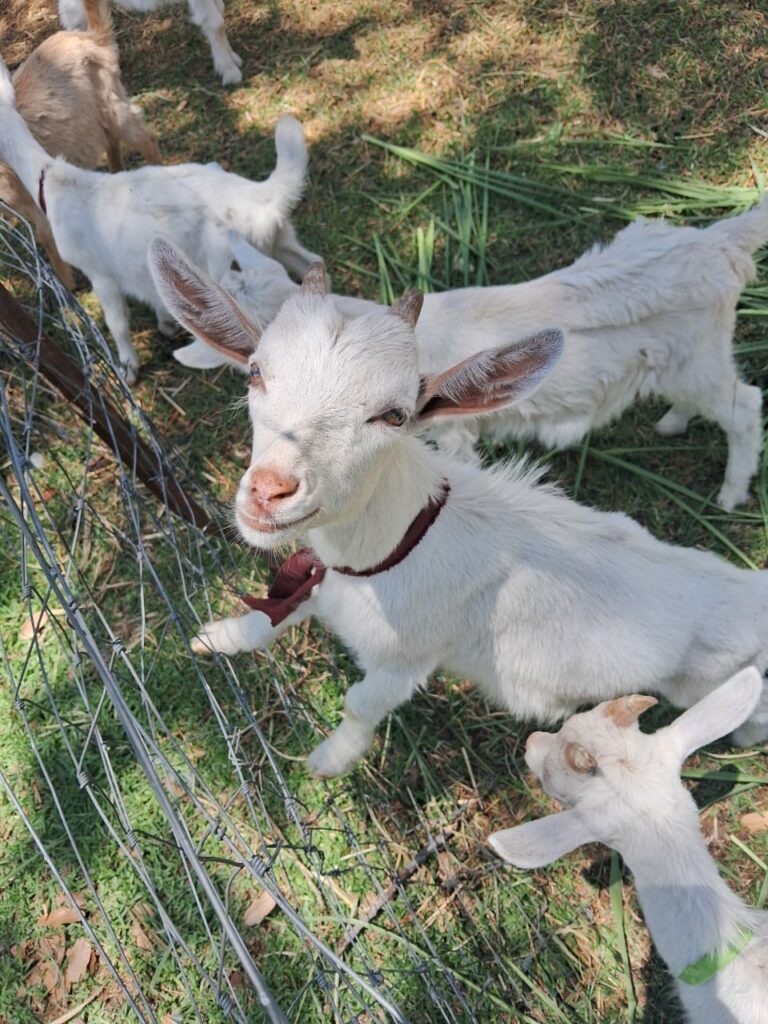
Despite the demands, she clearly enjoys working with the goats, particularly the young animals. “They are friendly. I enjoy raising the kids.”
And while the work is intensive, she has no desire to change the way she farms. “It is very management intensive, but I wouldn’t do it any other way.”
For now, there are no plans to increase the size of the herd. With land limiting further expansion, the focus will instead be on improving the quality of the existing animals through genetics. “I am currently happy with my herd size. I don’t have enough land to expand anymore. I will keep improving my genetics.”
After more than a decade of learning through experience, her 80-goat Saanen herd is a reminder that successful dairy farming is as much about daily commitment and attention to detail as it is about the animals themselves. In this case, that commitment also means producing fresh, locally made milk and dairy products, with the farm and its customers separated by less than 80 kilometres.
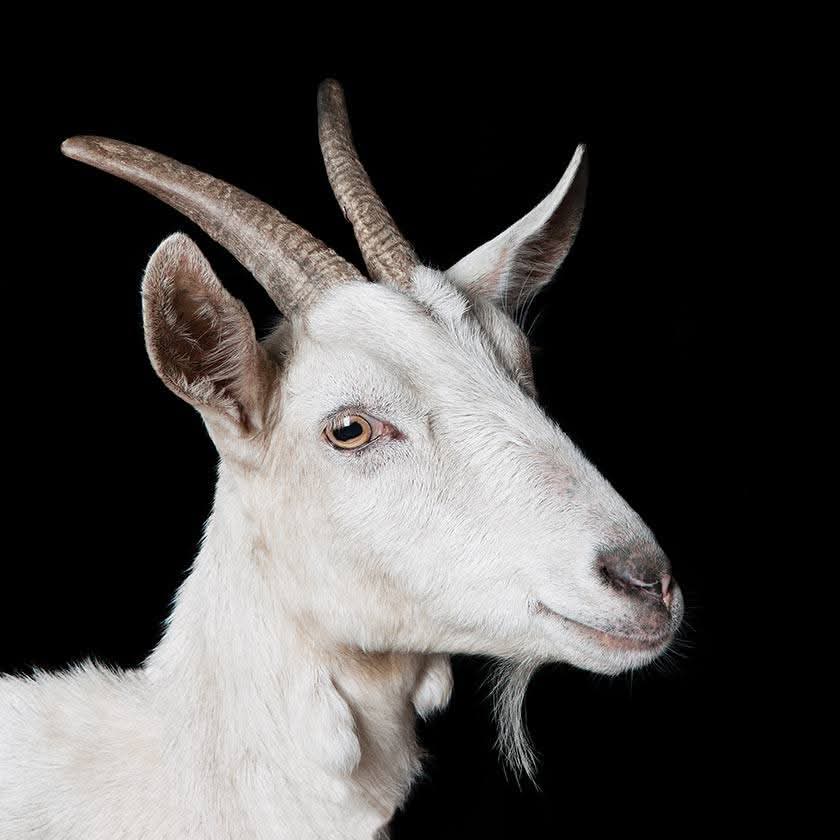
* Saanen goats are a Swiss dairy breed known for their good milk production and generally calm, friendly temperament. They are primarily kept for milk rather than meat and, because they are high-producing animals, require good-quality feed, plenty of clean water and careful management. While they can adapt to warmer climates such as Zimbabwe, they need more attention than hardier indigenous goats. Good genetics, sound udders, strong legs and overall health are important when selecting animals for a productive Saanen dairy herd.

Related Content