Rethinking the fight against Tuta absoluta: Can healthier plants mean fewer sprays?
The battle against Tuta absoluta, commonly known as tomato leaf miner, is prompting an important discussion among growers: are pesticides the best long-term answer, or should farmers be putting more emphasis on plant health, nutrition and natural pest control?
A recent discussion among growers and agricultural practitioners highlighted the complexity of managing the pest, with views ranging from carefully managed chemical programmes to organic production and integrated pest management (IPM).
One point on which there was broad agreement was that Tuta needs to be tackled early. The pest reproduces rapidly, making regular scouting of leaves and growing points essential. Once populations become established, control becomes considerably more difficult.
Look beyond the brand name
For growers using chemical control, the discussion stressed the importance of understanding what is actually in the product rather than simply relying on brand names.
A number of active ingredients were identified as being effective against Tuta, including emamectin benzoate, abamectin, spinosad, spinetoram, chlorantraniliprole and indoxacarb.
However, simply having a range of products available does not solve the problem of resistance. Repeatedly using the same active ingredient, or switching between different brands containing the same active ingredient, can accelerate resistance.
Instead, growers were urged to rotate products with different modes of action, always following the product label for application rates, maximum applications and pre-harvest intervals.
The discussion also cautioned against increasing the dosage when a product appears to be failing. A lack of control may indicate resistance, making a change in mode of action more appropriate than simply applying more of the same chemical.
The case for natural predators
The strongest argument for a different approach came from growers who have managed Tuta successfully with limited chemical intervention.
One contributor described having Tuta present in tomato fields without allowing it to reach damaging levels, attributing this partly to the use of well-decomposed compost and wood ash and to the presence of natural predators.
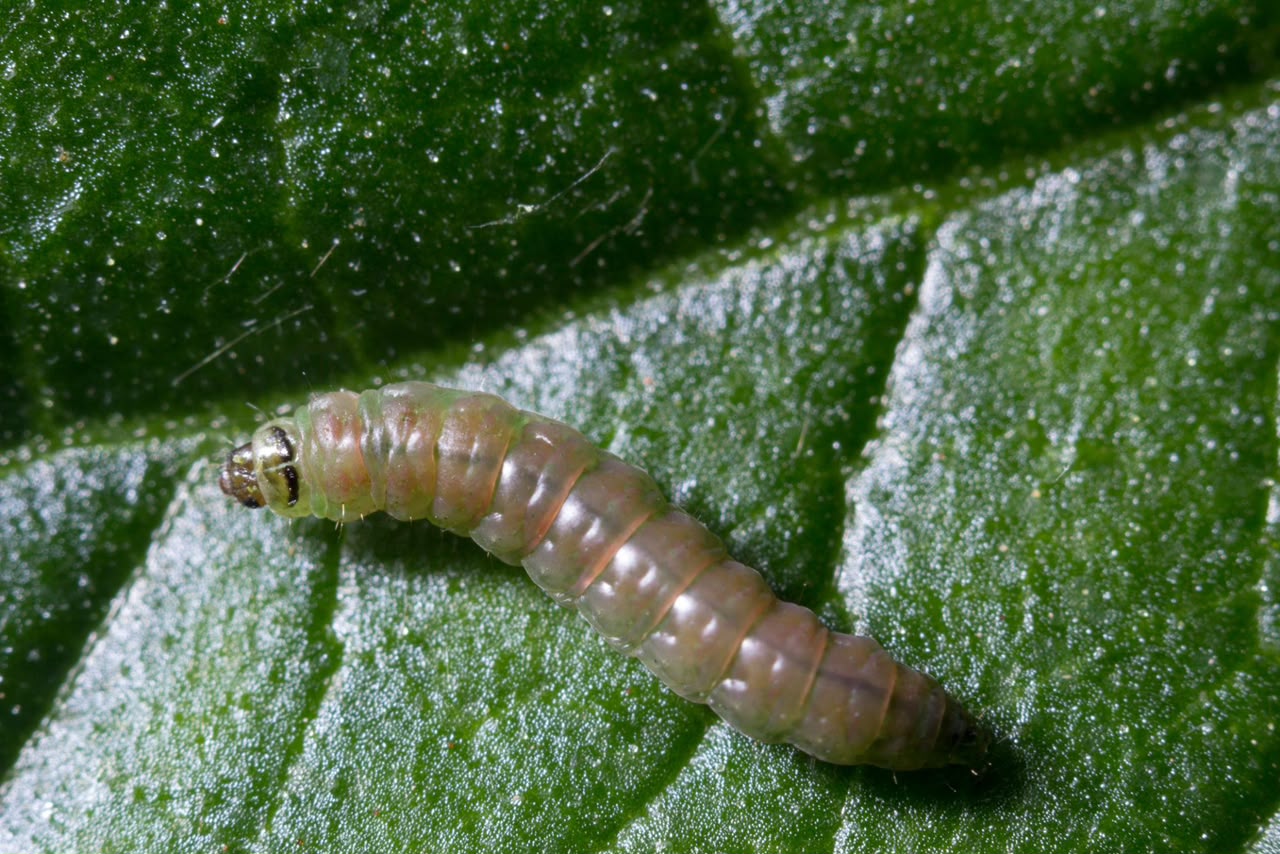
Understanding Tuta's life cycle is important in this regard. The moth lays eggs on the plant, after which the larvae burrow into leaves and later into stems and fruit. The larvae eventually fall to the ground to pupate before emerging as moths and beginning the cycle again.
Unlike caterpillars that feed openly on leaves, Tuta larvae spend much of their time between the upper and lower leaf surfaces. This makes them difficult to reach with many non-systemic pesticides.
This creates another problem: broad-spectrum insecticides can kill the beneficial insects that naturally prey on Tuta while failing to reach larvae protected inside the leaf.
Parasitic wasps are among the natural enemies highlighted in the discussion. These tiny wasps attack Tuta eggs or larvae, effectively providing biological control without requiring the farmer to spray.
The concern is that indiscriminate spraying can reduce these beneficial populations. As one contributor put it, more spraying can mean fewer wasps and potentially more Tuta.
A biological alternative: Bacillus thuringiensis
Another option discussed was Bacillus thuringiensis (Bt), a naturally occurring bacterium used as a biological control against caterpillar pests.
Unlike a conventional insecticide, Bt works as a biological agent. When susceptible caterpillar larvae consume the treated plant material, the bacteria's toxins affect their gut, causing them to stop feeding and eventually die.
One of the major advantages of Bt is its selectivity. It is used specifically against susceptible caterpillar larvae, meaning it can target the pest while having far less impact on many of the beneficial insects and natural enemies that are important to maintaining balance in the field.
In this sense, Bt is better understood as a biological disease agent rather than a conventional poison: the aim is to introduce an organism onto the crop that infects and controls the target pest, rather than applying a broad-spectrum chemical that kills insects indiscriminately.
For an IPM programme, this distinction is important. The objective is not simply to kill the pest, but to control it while preserving the wider ecosystem that helps keep pest populations in check.
Bt therefore offers another tool between relying entirely on chemical sprays and relying entirely on natural predation. Used appropriately, it can form part of a broader strategy based on monitoring, healthy plants, biological control and targeted intervention.
Does plant nutrition influence pest pressure?
Another strand of the debate focused on nutrition.
The suggestion was made that excessive or poorly balanced nitrogen nutrition may encourage pest problems by producing lush, vulnerable growth. Rather than applying large amounts of nitrogen, growers could aim for balanced nutrition and provide small amounts of nitrogen frequently enough for the plant to incorporate it into proteins and other compounds associated with plant defence.
For tomatoes, well-matured or composted manure was recommended as a potential source of nutrition, with caution advised around fresh or insufficiently decomposed manure because of its high nitrogen content.
The underlying argument is not that nitrogen should be eliminated, but that nutrition should be balanced and carefully managed rather than simply pushing plants for rapid vegetative growth.
Organic does not mean effortless
The discussion also challenged the idea that organic production is simply a matter of replacing chemicals with natural products.
Organic growers still need strong agronomic skills.
Crop rotation, balanced nutrition, suitable variety selection, good nursery management, field hygiene and careful crop management all play a role. Companion cropping and other methods can also form part of a wider pest-management system.
As one experienced grower noted, it can be easier to grow a crop and buy the chemicals recommended for each problem than to develop the knowledge needed to make a lower-input system work.
That, however, does not necessarily make the chemical-intensive approach the better long-term option for the farmer, consumer or environment.
Natural products are not automatically a permanent solution
The debate also recognised that "natural" does not automatically mean sustainable.
Neem extracts, chilli preparations, sulphur and copper sprays were among the alternatives mentioned. But there was a caution that pests can potentially develop tolerance to natural pesticides too.
The important question, therefore, is not simply whether a product is chemical or natural, but whether the overall production system reduces dependence on repeated interventions and maintains a healthy ecological balance.
Building a more resilient system
One contributor pointed to changes in farming practices in the United Kingdom, where restrictions on insecticide use have forced farmers to develop alternative techniques. The observation was that farmers can adapt to using fewer pesticides, but doing so requires new skills and a greater understanding of the wider farming system.
This may be the most important lesson from the Tuta debate.
Chemical control has an important place in tomato production, particularly when pest populations threaten a crop. But relying on sprays as the primary line of defence can create a cycle of resistance and disruption of beneficial insects.
An integrated approach offers another possibility: monitor crops carefully, maintain good plant health, use appropriate nutrition, encourage natural enemies, maintain field hygiene and crop rotation, and use pesticides selectively when they are genuinely required.
For growers experimenting with alternative nutrition systems, the advice from the discussion was equally practical: experiment rather than assume. One proposed approach involving maize stalks, dry leaves, wood ash and manure could potentially create nitrogen tie-up as microbes break down high-carbon material. Small-scale trials using different amounts of manure were suggested as a way of finding what works under local conditions.
Ultimately, the debate is less about choosing between "organic" and "chemical" farming than about asking a bigger question: can farmers design cropping systems in which pests are managed by the whole system rather than by the spray programme alone?
The experience shared by growers suggests that the answer may be yes—but achieving it requires observation, experimentation, sound agronomy and a willingness to learn new skills.
For Tuta absoluta, the most sustainable spray may ultimately be the one a farmer does not need to make.
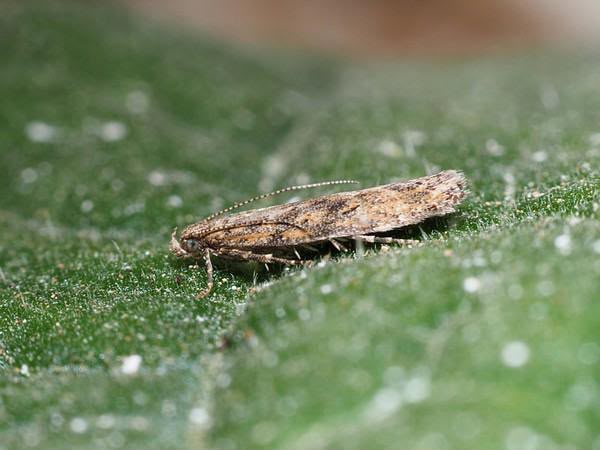
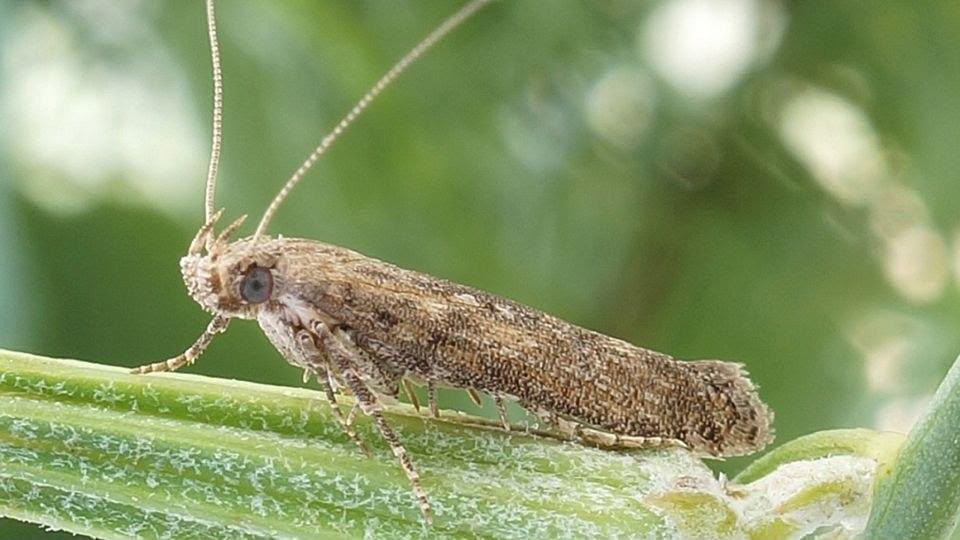
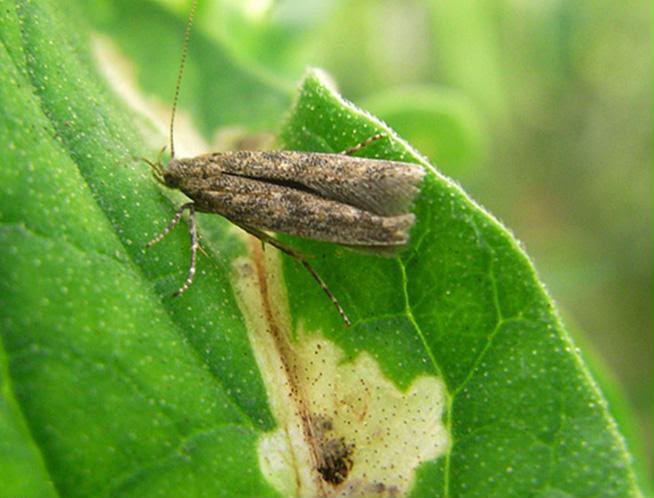
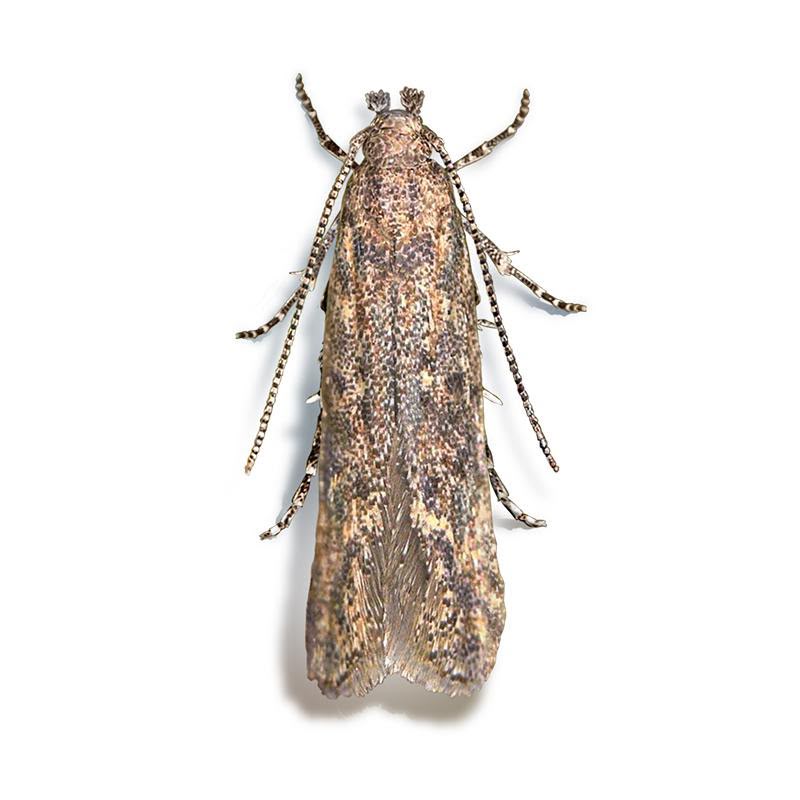
Photo: Patrick Clement / Wikimedia Commons, CC BY 2.0

Related Content