Thoughts of a Zimbabwean farmer
By Tatendaishe C. Ukama (Smallholder integrated farmers and founder of Lemonhead Aggregation Centre)
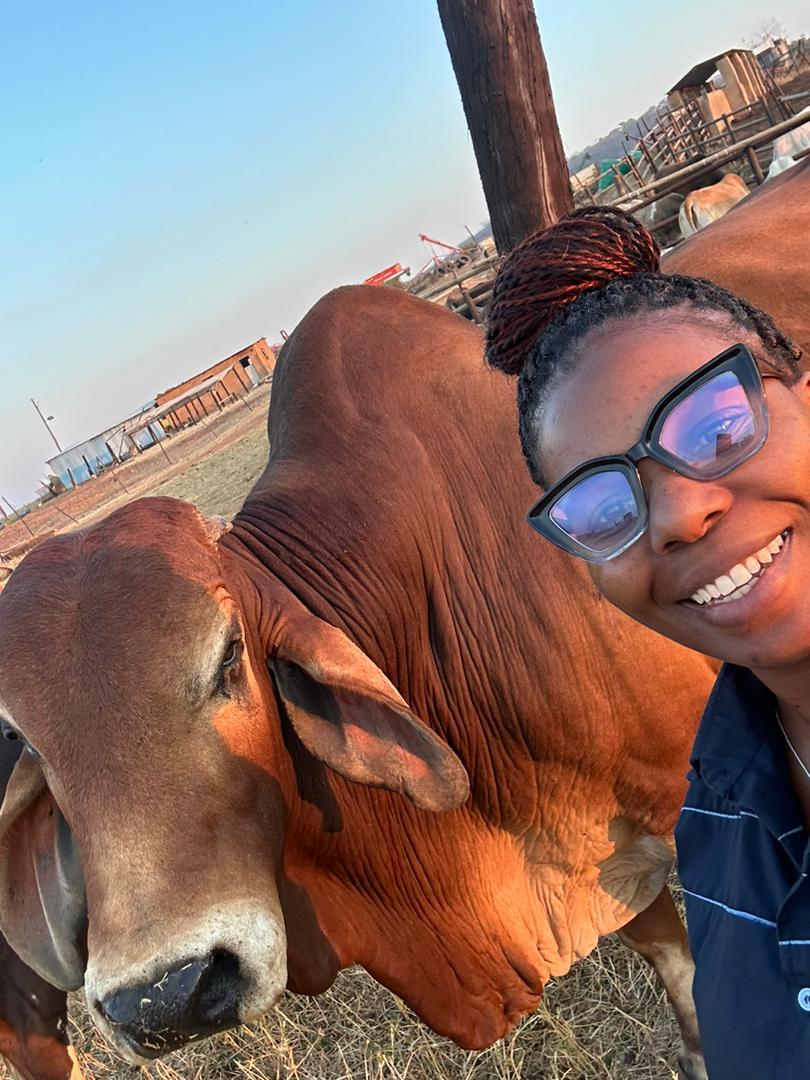
As I step onto the land that has been my family's legacy for generations, I am filled with a sense of purpose and passion. Farming is not just a profession for me; it is a way of life. The smell of fresh soil, the sound of mooing cattle, the chirping of birds, and the sight of crops swaying in the breeze bring me joy and fulfilment.
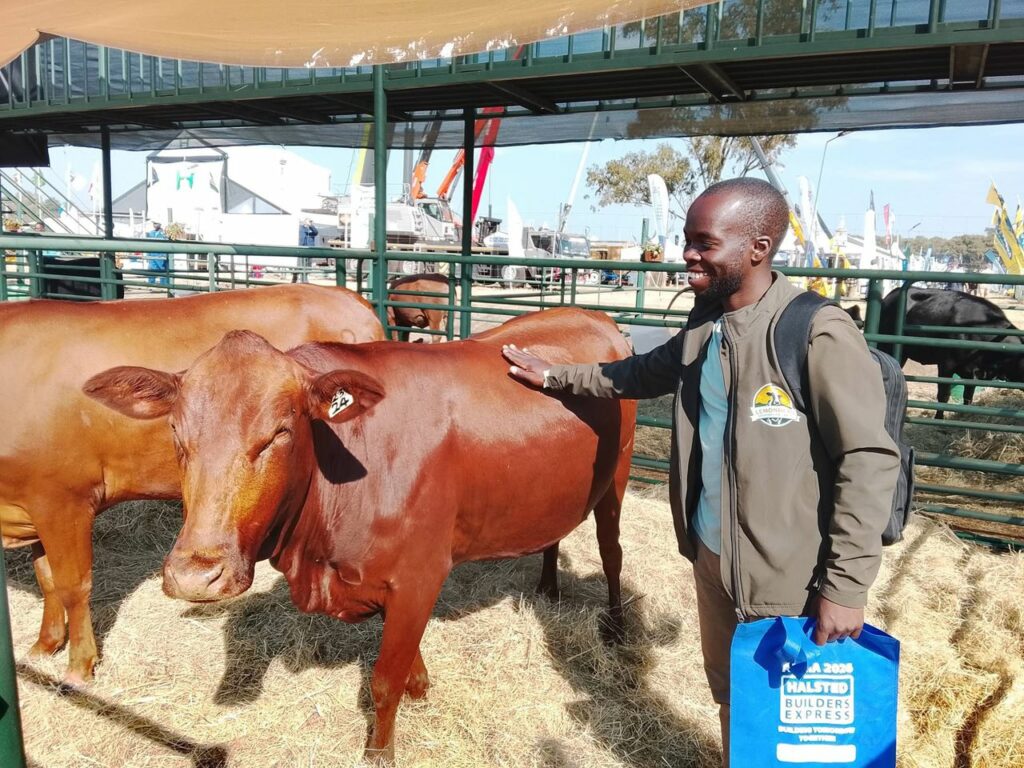
Over the years, I have faced numerous challenges that have tested my resolve. Droughts, pests, and financial struggles have pushed me to my limits, but I have persevered. I recall one particularly harsh season (2023/2024) when a severe drought destroyed a significant portion of our fodder and pastures, and as a result, we lost some of our productive cows.
Instead of giving up, I rallied my family and community, and together we worked tirelessly to replant and restore the land. It was a difficult period, but it taught me the value of resilience and adaptability.
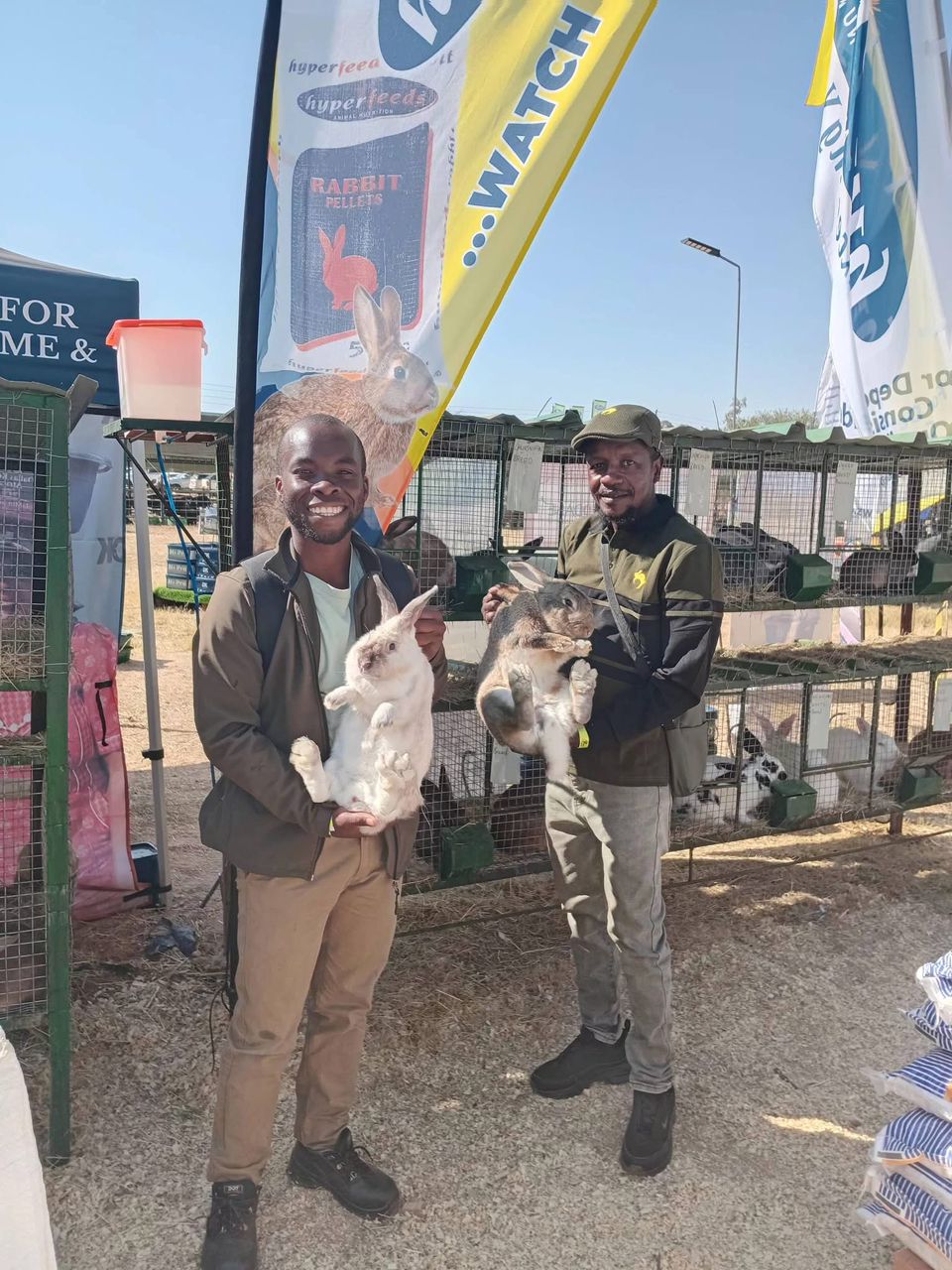
The challenges did not end there. In 2020, we decided to integrate rabbit farming into our operations, and the introduction was successful. However, in 2023 there was an outbreak of RHD2 disease in the country, and it affected us to the extent that we had to cull all the rabbits at the rabbitry. We did not stop there, and now we are working on reintroducing rabbit farming using indoor cages with high biosecurity measures.
Not forgetting the challenge of finances, which always makes me feel like a bulldog without teeth. I recall many times having to do things in hard and time-consuming ways because of a lack of finances. I once lost five tonnes of silage to rotting after spending two days harvesting from the field and carrying it to the site for chopping using machetes before burying it for fermentation. The process extended to almost one week, and it did not produce the results we wanted. The end result was that the five tonnes, which were supposed to feed cows and increase milk production, ended up being added to the compost.
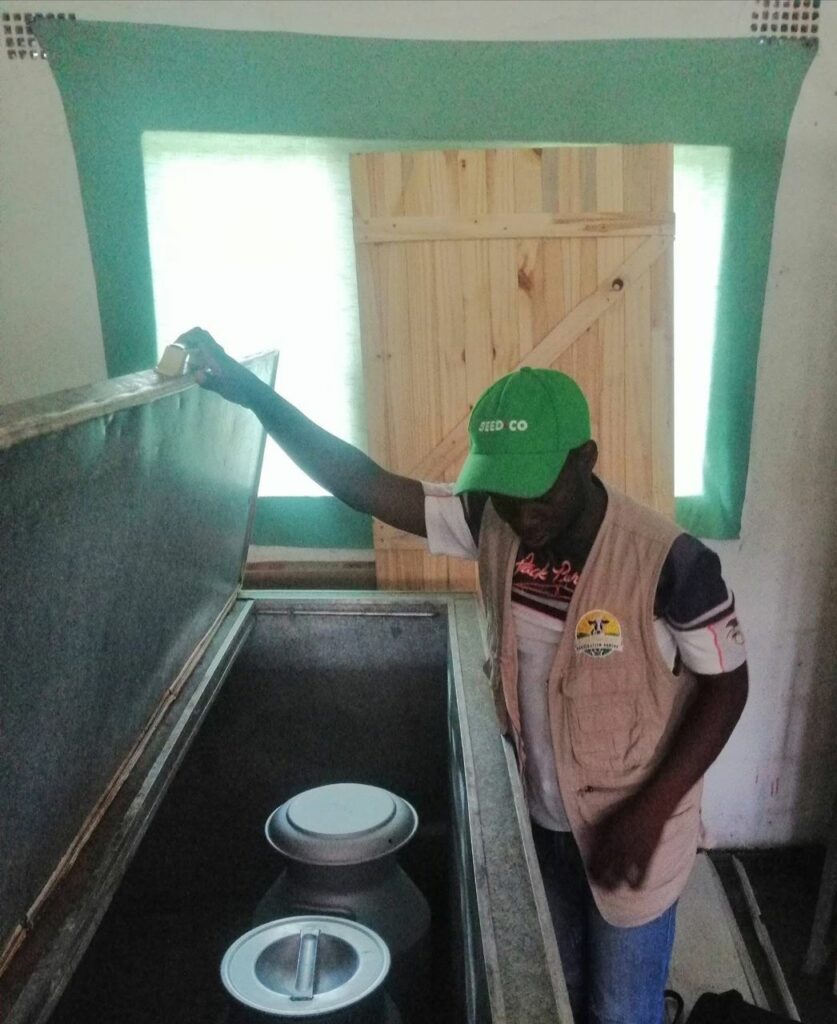
Despite these challenges, I have achieved some remarkable successes. In 2020, our farm, Lemonhead Aggregation Centre, was recognised for its sustainable practices, and we were awarded a grant to implement a cold-chain system for milk storage and other activities requiring electricity at the aggregation centre.
The recognition did not end there. In 2021, we were awarded a buy-one-get-one in-calf heifer matching grant, followed by a 70 percent matching grant, where we had to contribute 30 percent to make up the full amount. This support helped us purchase farm equipment and drill a borehole. Our crops and milk have consistently received top grades, and we have built a loyal customer base that appreciates our commitment to quality. We now have enough water for cleaning chores, irrigation, and livestock. It is well known that milk consists of approximately 86 percent water.
As a farmer, I am deeply committed to sustainability. I believe that our role extends beyond producing food; we must also steward the land and natural resources. I have implemented crop rotation, organic farming methods, and conservation efforts to minimise our environmental footprint.
We use droppings from our cattle, goats, rabbits, chickens, and other livestock kept at Lemonhead Aggregation Centre as fertiliser for our crops, fodder, and pasture fields. We even use rabbit urine for fertigation and pest management. To us, it is not just about reducing our impact; it is about creating a better future for generations to come.
We also practise a conservation farming method known as Pfumvudza, or Intwasa in some of our local languages. This involves digging planting holes without disturbing the soil by turning it over. It has been helpful to us, even though it is tough and labour-intensive. We are not yet at the stage where we can introduce mechanisation to make it easier, but we are working towards that goal.
Our farm plays a vital role in the local food system. We supply fresh produce to nearby markets, restaurants, and boarding schools, supporting our community and promoting food security. I am proud to be part of a network of farmers who share knowledge, resources, and expertise, helping each other succeed.
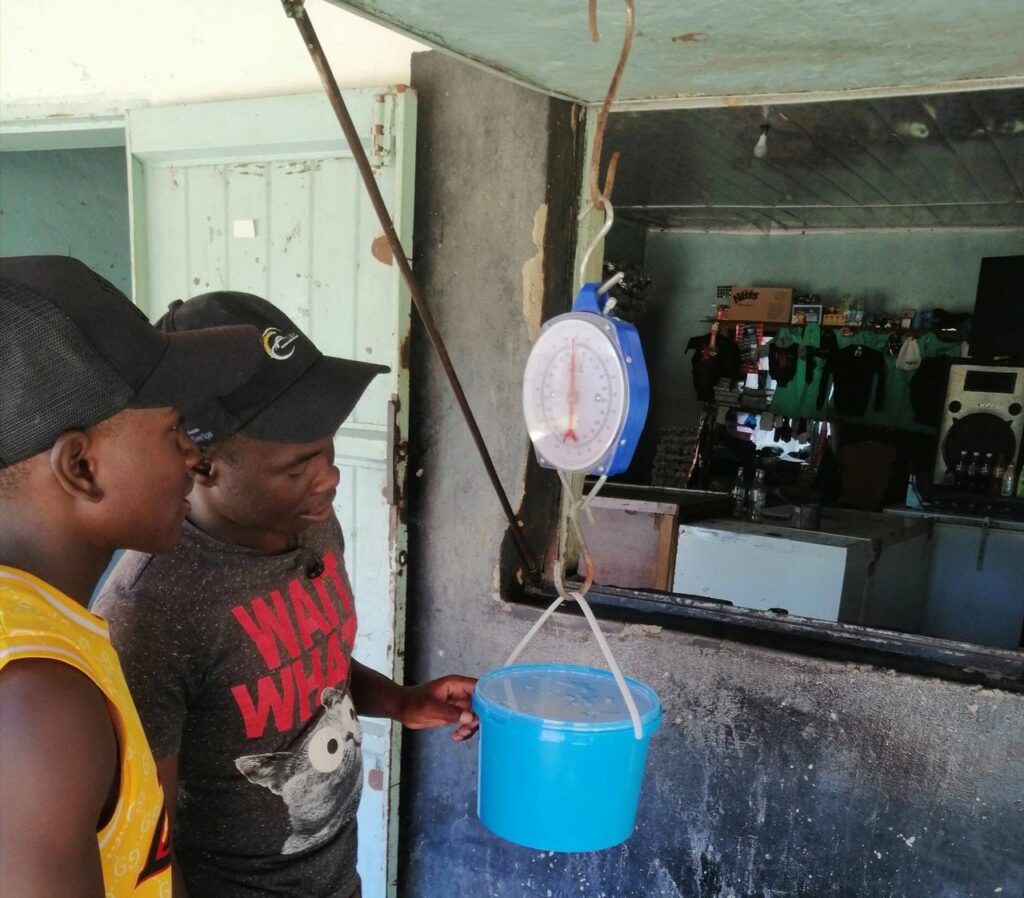
I am also proud to have had the opportunity to put a drop of water into the ocean. When I started dairying in 2019, I was producing only 500 millilitres of milk. However, I teamed up with others around me and in neighbouring villages to bulk milk and sell it to the market. This enabled my small contribution to be recognised within the national milk production system.
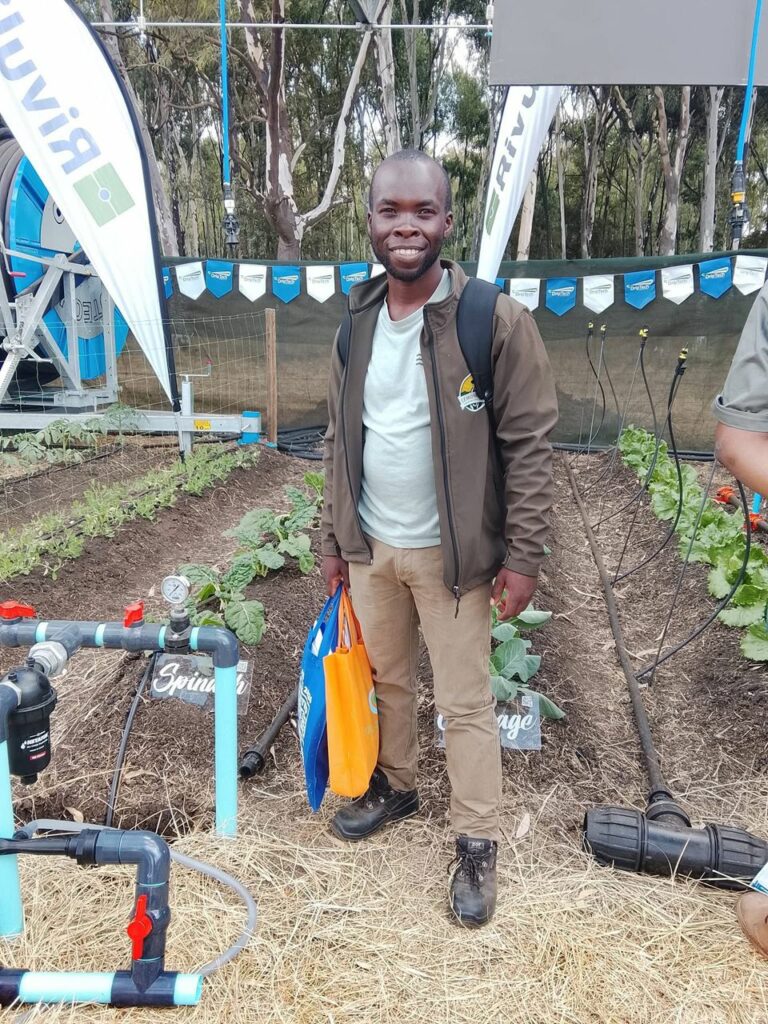
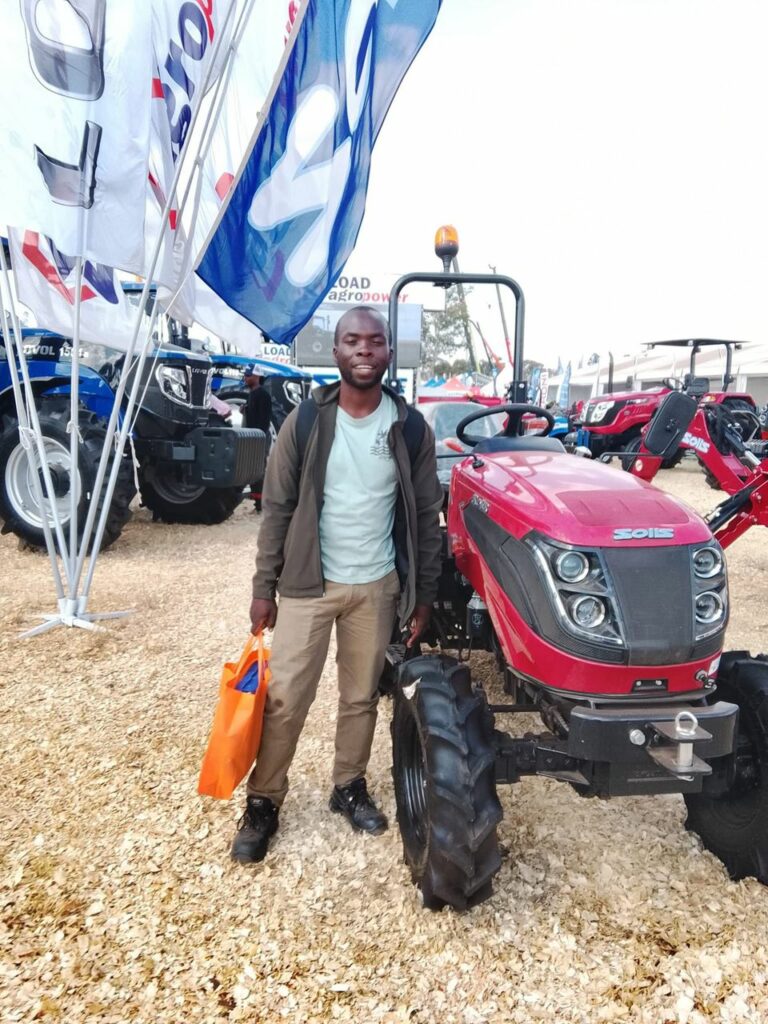
Looking to the future, I envision our farm continuing to grow and innovate. I am exploring new technologies, such as precision agriculture and renewable energy, to enhance our efficiency and sustainability. My goal is not only to provide healthy food for our community but also to be a model for environmentally conscious farming practices and to create employment opportunities for people from the 25 villages surrounding my home village and farming operations.
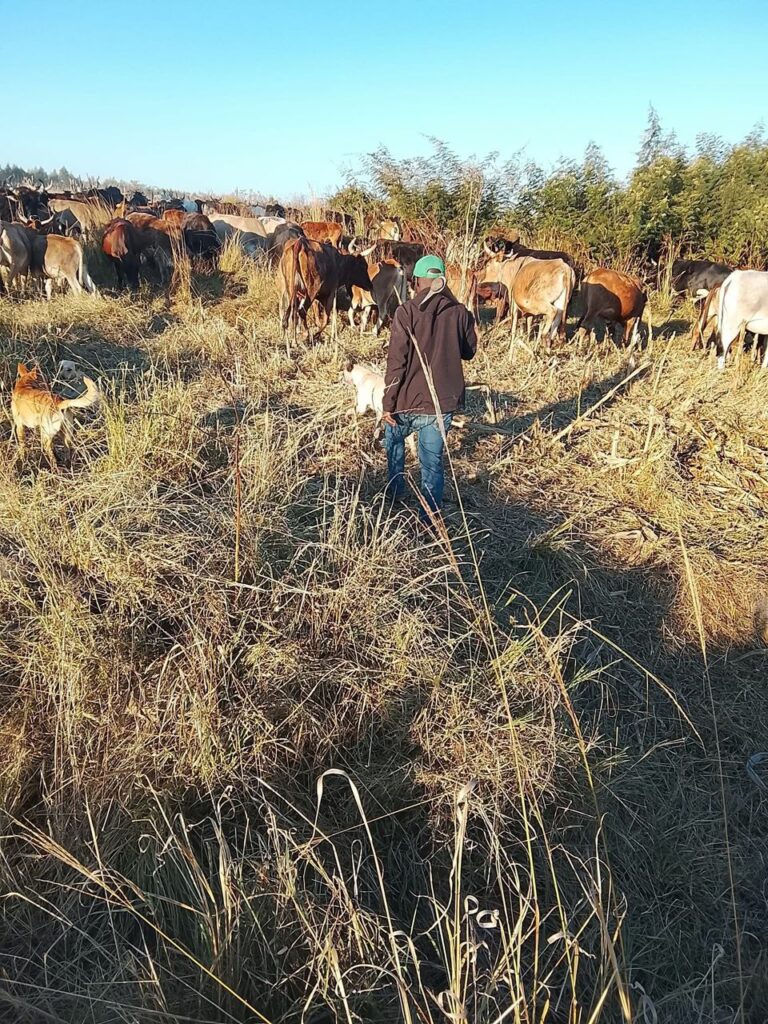
As I reflect on my journey as a farmer, I am reminded of the countless hours spent tilling the soil, planting seeds, caring for livestock, herding cattle, and harvesting crops. It is a labour of love, driven by my connection to the land and the people I serve.
Farming is not just about producing food; it is about preserving a way of life, supporting our community, and stewarding the natural world. I am motivated by the knowledge that our work has a lasting impact on the environment, our community, and future generations.
As I look out across the fields, I am filled with a sense of pride, purpose, and gratitude for the opportunity to be a farmer.

Related Content