The flower seed production project transforming rural livelihoods
What began as a small experiment on a family farm in Kadoma has grown into a thriving contract seed production programme benefiting more than 1,000 smallholder farmers in Zimbabwe.
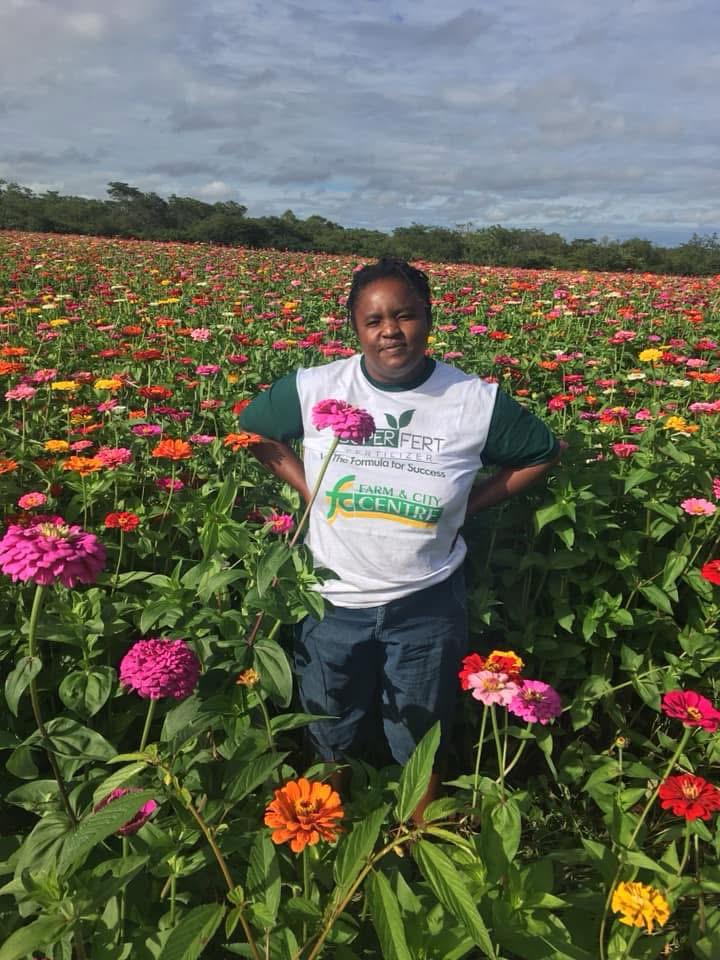
Charlene Mathonsi and her business partner, Douglas Alexander, have built Amalubarina into a successful flower seed enterprise that is changing lives across Nkayi and Gokwe.
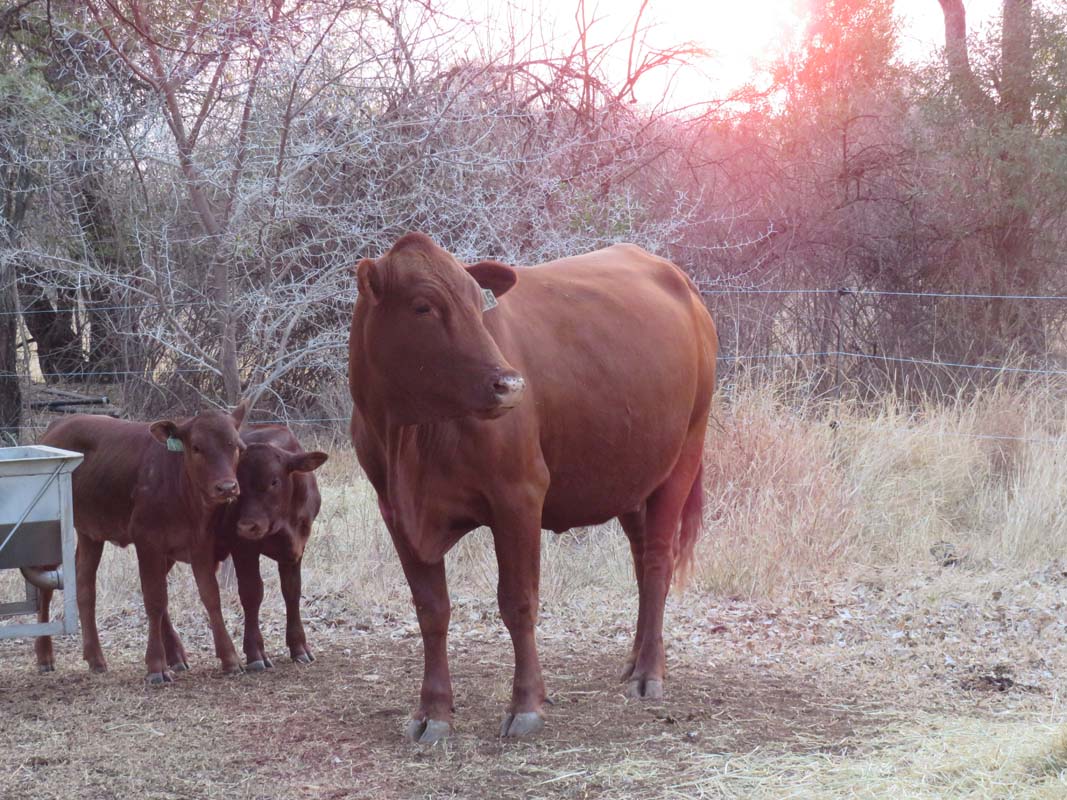
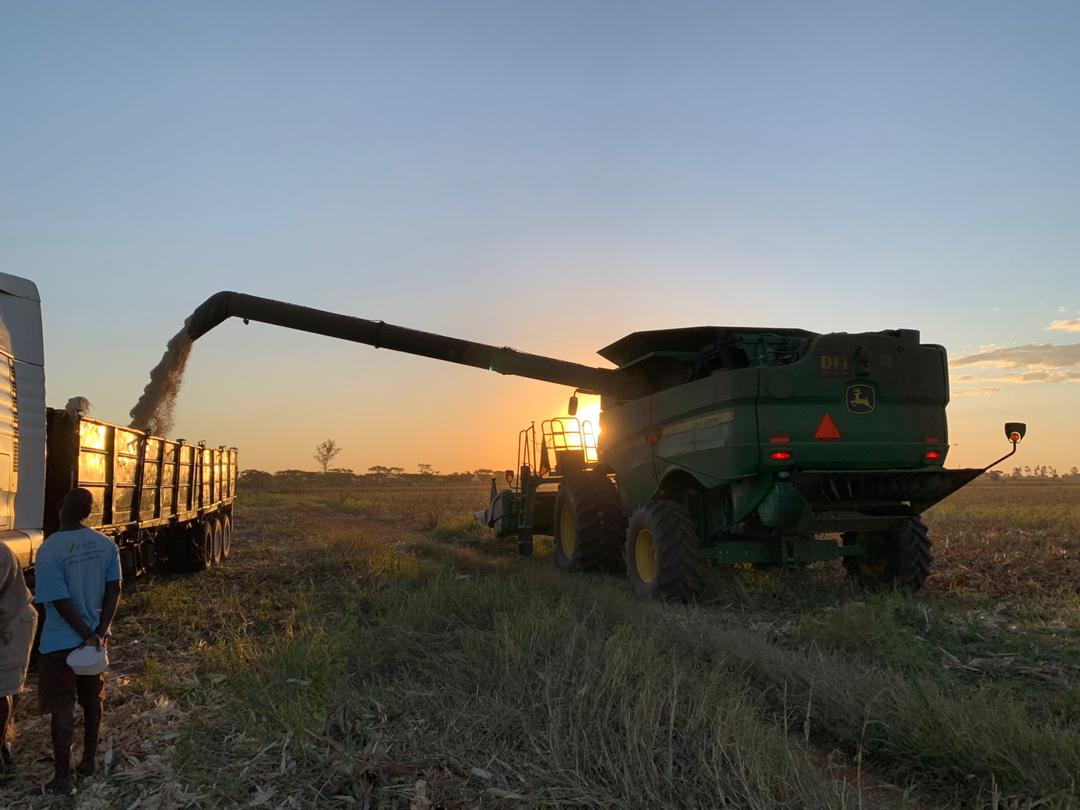
Mathonsi, who graduated from the University of Zimbabwe with a degree in Animal Science in Agriculture in 2007, returned home after completing her studies to work on her family's Lion Farm near Kadoma. The farm's principal activities are Tuli beef production and rain-fed summer cropping, although she hopes irrigation will one day become a reality.
She worked alongside Alexander, a neighbouring commercial farmer before land reform, whose experience in flower seed production stretched back to the late 1980s.
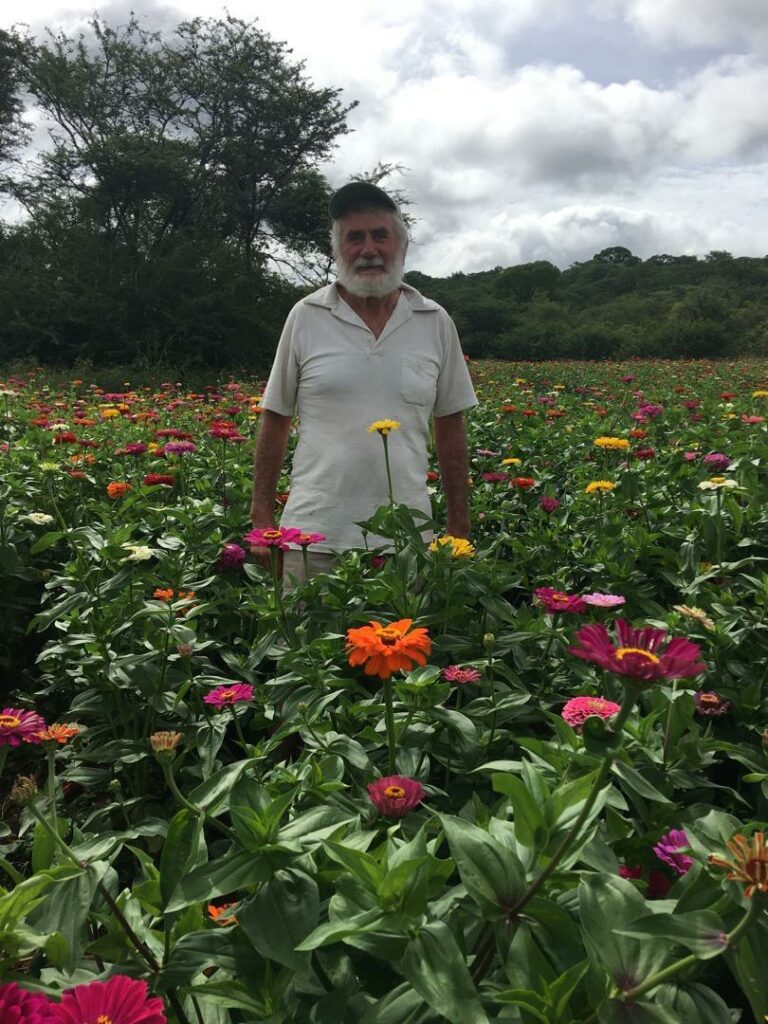
"Doug has been growing flower seeds for Hem BV, a Dutch company, since the late 1980s," Mathonsi explained. "As part of our summer cropping programme, we now grow flower seeds on Lion Farm, essentially multiplying the parent seed supplied by Hem BV."
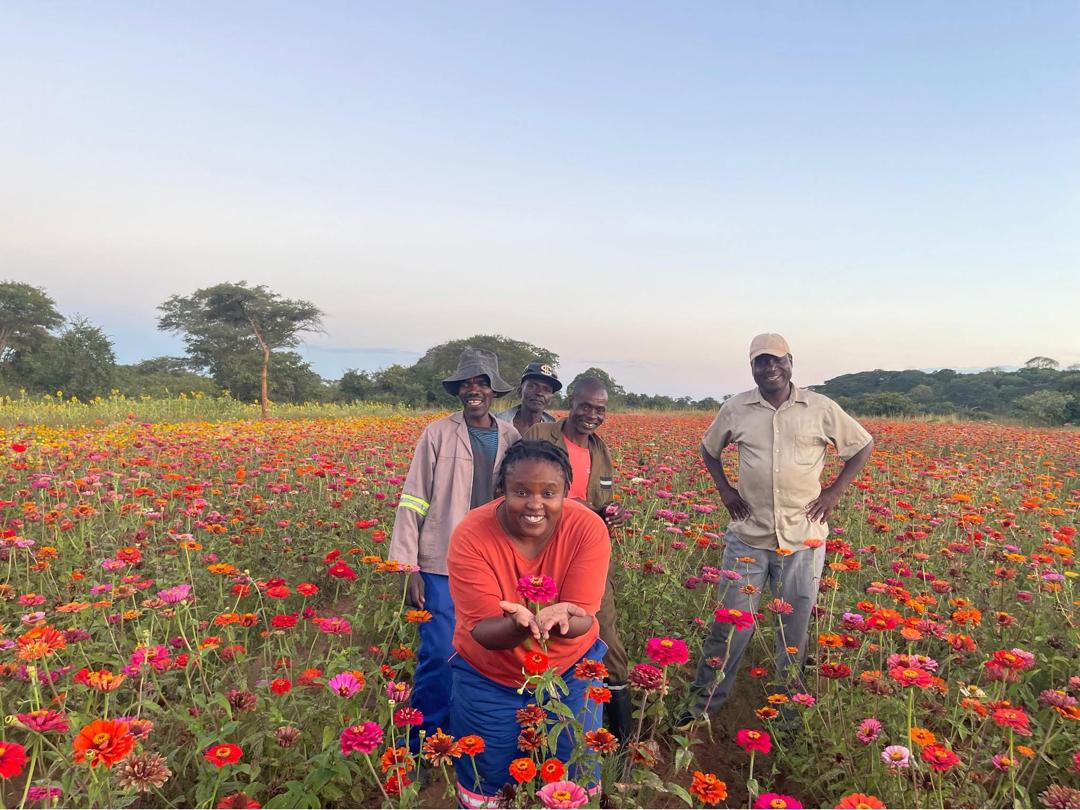
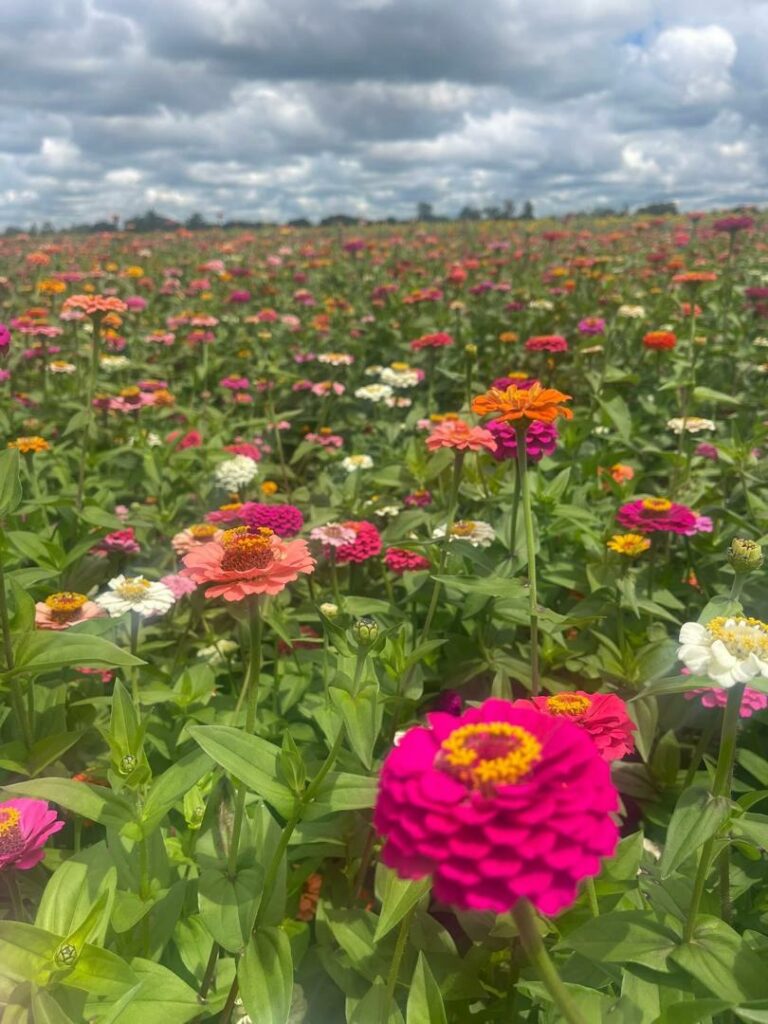
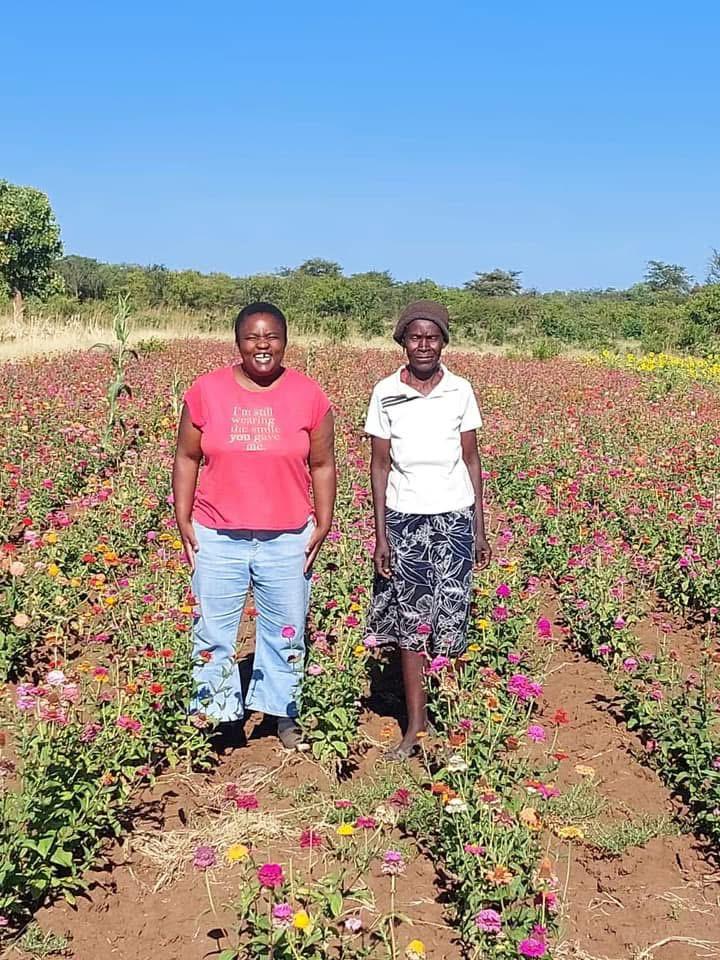
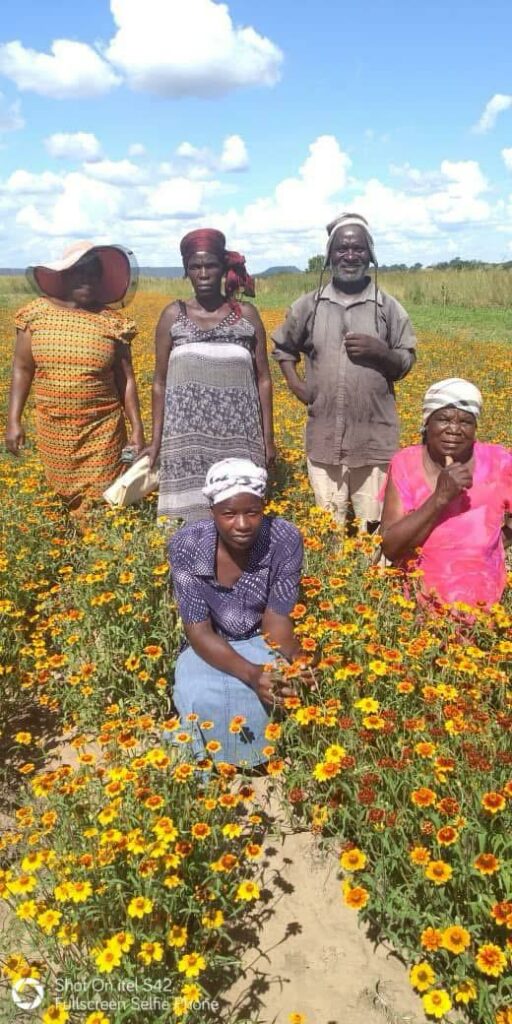
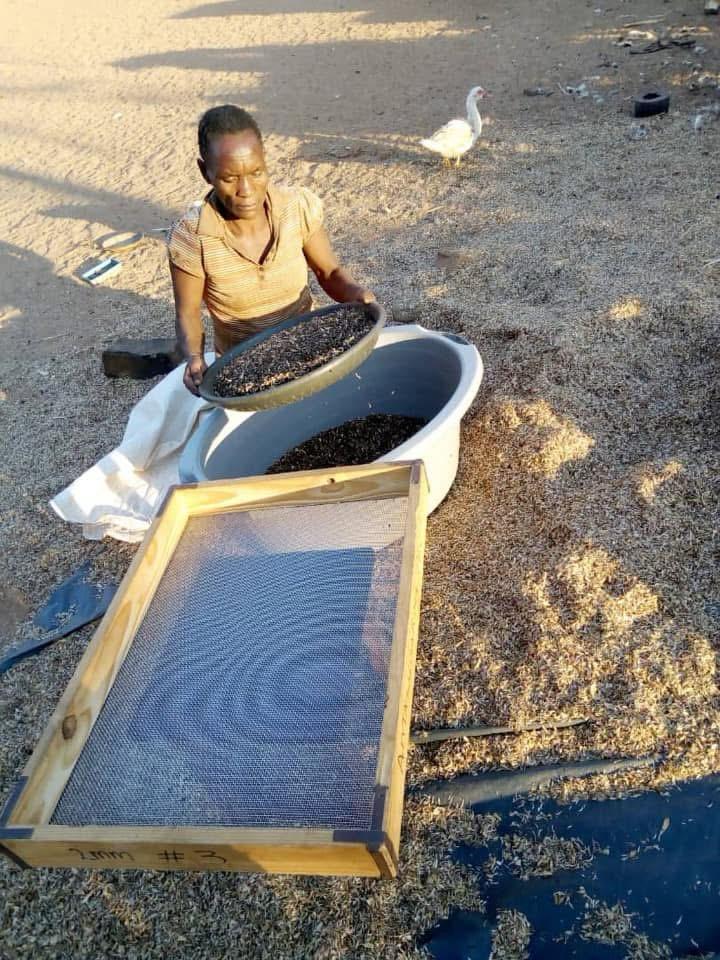
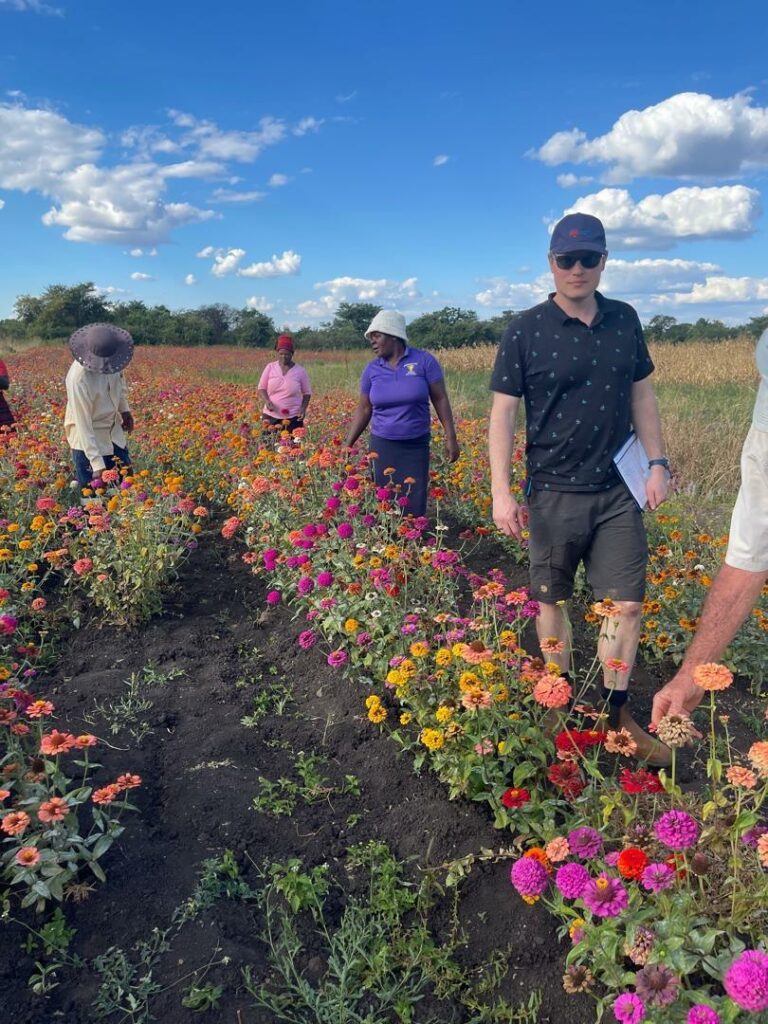
The enterprise produces several flower varieties, including cosmos, zinnias and marigolds. Planting begins in December, with the fields reaching full bloom by March. Harvesting takes place from late April until mid-June, depending on the variety, before the seed is cleaned during July and shipped to the Netherlands in August.
Recognising that the enterprise could offer opportunities beyond Lion Farm, Mathonsi and Alexander launched a pilot outgrower programme in Nkayi in 2012 involving just 40 farmers.
"A farmer from the area had seen the flowers growing on Lion Farm and wanted to try producing them," she recalled. "That simple request became the beginning of something much bigger."
The programme expanded significantly in 2016 with support from APT and Welthunger, extending into Gokwe's Njelele 3 area with 36 growers. Today, Amalubarina works with approximately 1,000 rural farmers across Nkayi and Gokwe.
The company name itself reflects both its purpose and its history. "Amaluba" means flowers in isiNdebele, while "Rina" honours the woman who first introduced Alexander to Hem BV decades ago.
Unlike many contract farming arrangements, Amalubarina deliberately keeps production costs low. Farmers receive only the seed, while being encouraged to rely on manure and compost rather than expensive fertilisers.
"We only supply the seed," Mathonsi said. "We encourage farmers to use manure and compost to keep input costs low."
The flowers themselves require very few chemical inputs. Although pests such as caterpillars occasionally attack the flower heads, farmers have found simple, locally available solutions.
"We've had problems with worms that eat the centres of the flowers, but farmers successfully used ordinary surf as a spray to control them," she said.
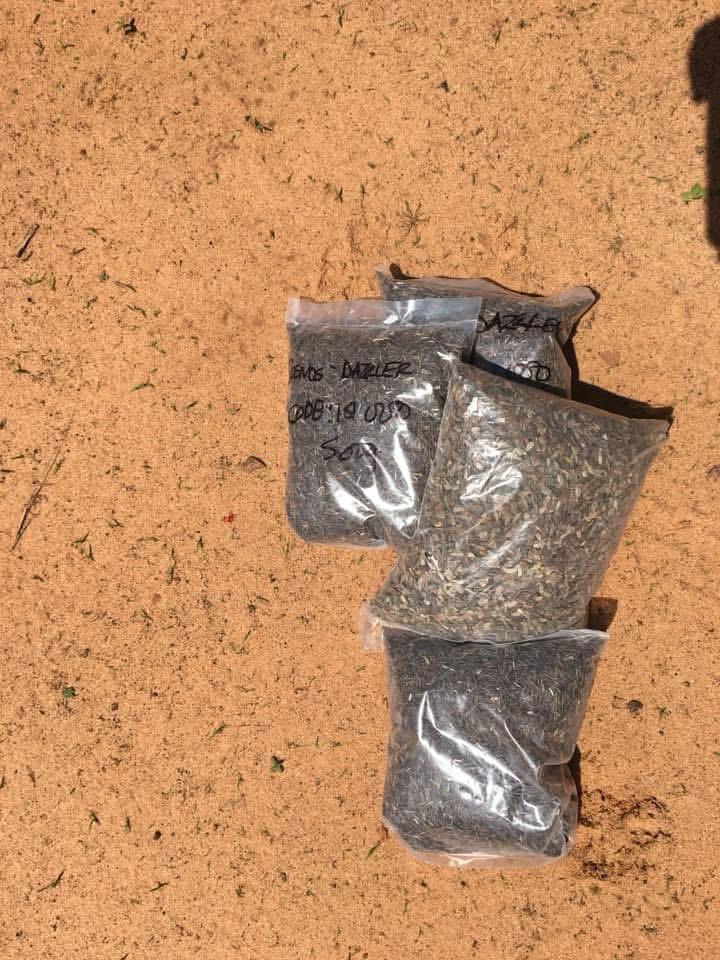
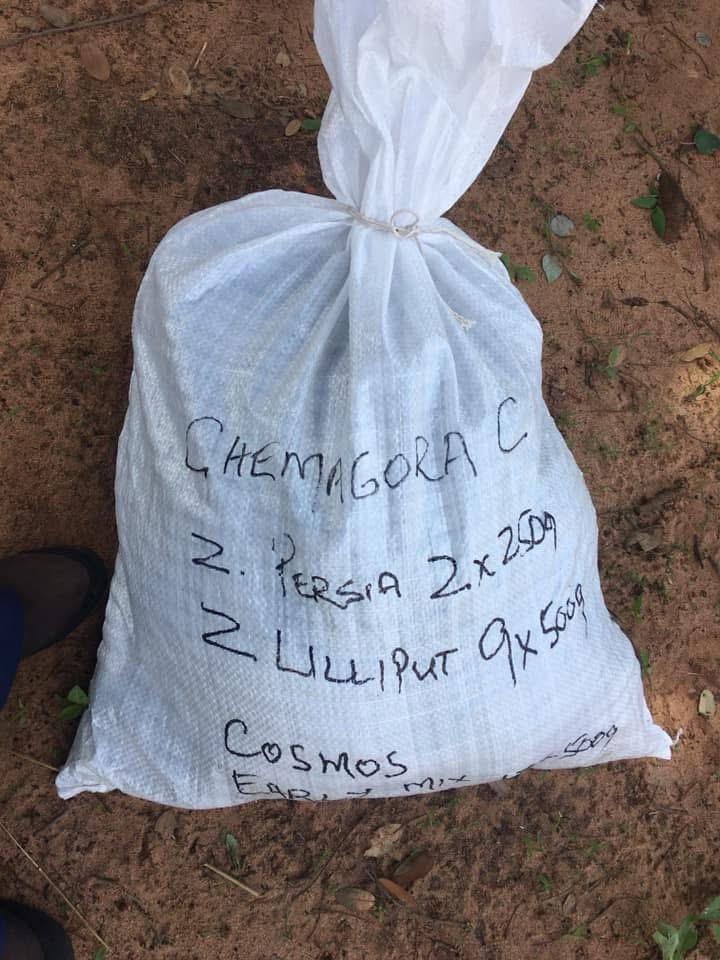
Each farmer receives a 250-gram packet of seed which, under good management and favourable weather conditions, has the potential to produce up to 100 kilograms of harvested seed.
The flower seeds are drought tolerant and in a bad rainy season although the farmer may harvest significantly lower yields, they do get a harvest.
Payments are based not only on quantity but also on quality. Seed undergoes rigorous testing for germination and purity before growers receive payment according to the final quality assessment.
Current buying prices stand at USD 4/kg for marigold seed, USD 3 for zinnias and USD 2.50 for cosmos.
"This system ensures we continue supplying a quality product to the market," Mathonsi explained.
Maintaining genetic purity is central to the programme's success. Farmers are organised into geographical production groups, each growing only one assigned variety. Distances of more than 20 kilometres between groups help prevent cross-pollination between different flower varieties.
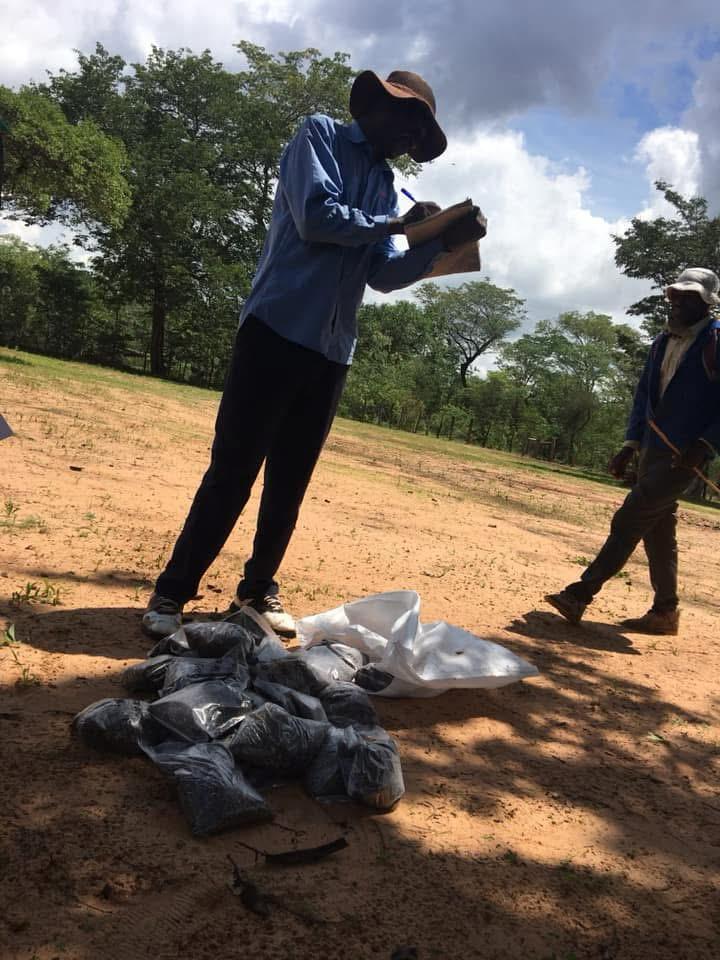
The programme is largely farmer-led. Each production group elects a leader from among its members, who is responsible for distributing seed, monitoring production, supporting growers and recommending new participants.
"Through this method our farmer base has grown from 40 growers when we started to around 1,000 today," Mathonsi said.
Despite the scale of the operation, Amalubarina remains a remarkably lean business.
"We are a small company. It's just Doug, myself and the growers who make up Amalubarina," she said.
Throughout the growing season, Mathonsi and Alexander visit participating farmers at least once a month, while Hem BV's seed production manager travels from the Netherlands annually during flowering to assess crop quality, flower colour and expected yields.
The programme reached its most successful season in 2022, when participating farmers collectively produced 22 tonnes of flower seed. Total payments to growers exceeded USD 67,000.
Yet for Mathonsi, the programme's true success cannot be measured solely in production figures.
"To be honest, when we first started, I didn't think we were making much of an impact," she reflected. "Most growers deliver between 40 and 60 kilograms of seed, and the payments aren't huge. But every year more farmers kept joining the programme."
Over time, she began noticing gradual but meaningful improvements in participating households.
"The impact I have seen over the years is households improving," she said. "We are not making big waves, but small ripples that are positively changing livelihoods in the communities we work in."
That philosophy perhaps best captures Amalubarina's story.
Rather than relying on expensive inputs or complex production systems, Amalubarina has developed a model that is both accessible and sustainable for small-scale farmers. By supplying only the seed and encouraging the use of manure, compost and simple pest control methods, the programme keeps production costs low while enabling growers to generate an additional source of income from land they already farm.
For Mathonsi, the greatest achievement is the gradual transformation taking place within the communities where the programme operates. "We are not making big waves, but small ripples that are positively changing livelihoods in the communities we work in," she said.
Those ripples continue to spread. From just 40 growers in 2012 to around 1,000 today, the programme has demonstrated how a simple, low-input crop can empower rural households, strengthen local leadership and connect smallholder farmers to an international market. It is a model that shows how innovation, partnership and sustainable farming practices can create lasting opportunities, one packet of flower seed at a time.

Related Content