The rescue dogs helping farmers fight theft and poaching
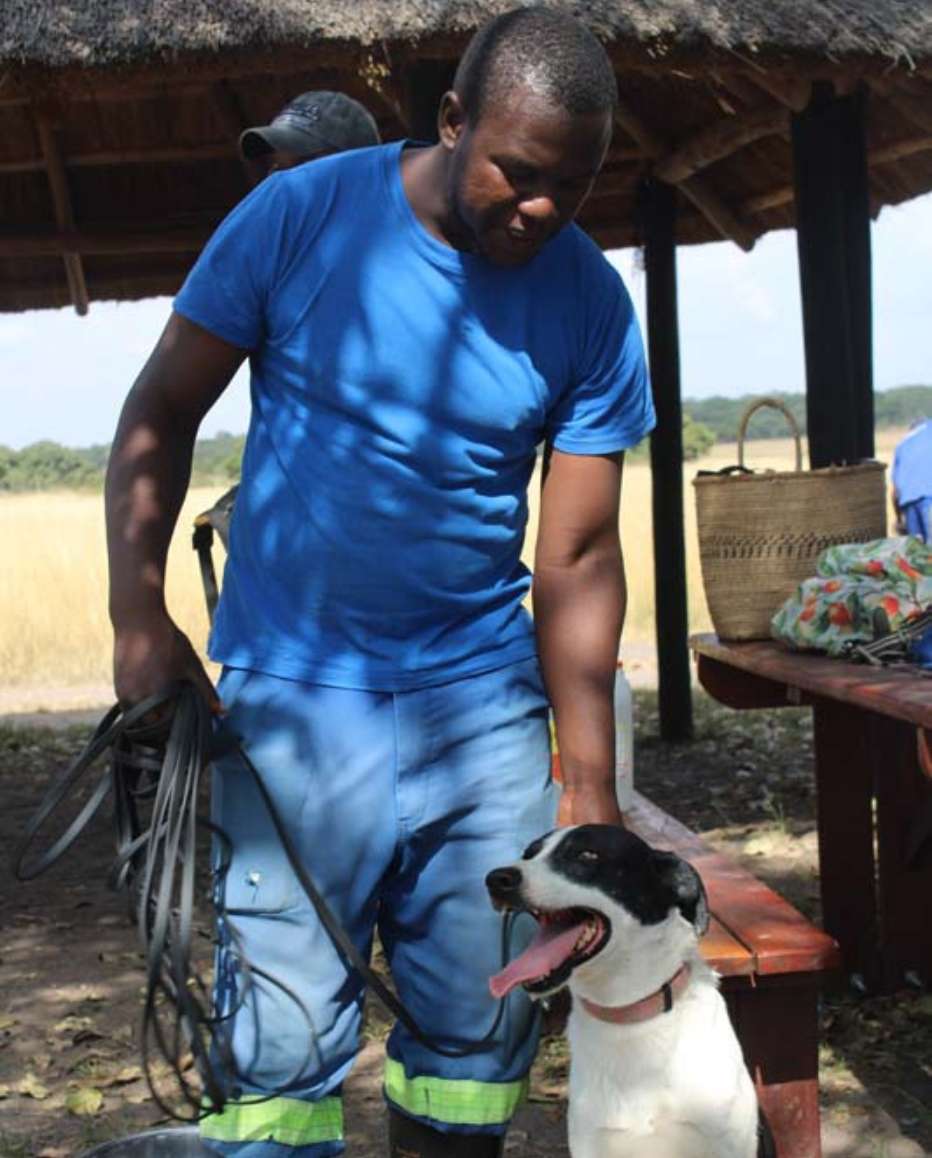
What began as an animal rescue challenge has evolved into an innovative working dog programme that is helping protect farms, livestock and wildlife across Zimbabwe.
The Friend Animal Foundation (FAF) established its Patrol Dog Programme two years ago in response to growing pressure on its rescue facilities. With increasing numbers of abandoned and surrendered dogs arriving at the organisation’s kennels, the team recognised that traditional rehoming alone could not provide long-term solutions for every animal.
“Rather than allow these capable animals to spend their lives in kennels, we created a programme that gives suitable dogs a valuable working future while supporting the agricultural community,” the organisation explains.
Today, the programme is successfully deploying rehabilitated rescue dogs into farm security and anti-poaching roles across Mashonaland, with ambitions to expand even further.
With the largest kennel facility in the country, capable of housing more than 500 dogs at one time, FAF is able to carefully assess each animal before considering it for placement. Dogs entering the programme first undergo a period of decompression and desensitisation following rescue or surrender.
Handlers then spend time evaluating each dog individually, focusing on temperament, confidence, trainability and the ability to socialise with other dogs.
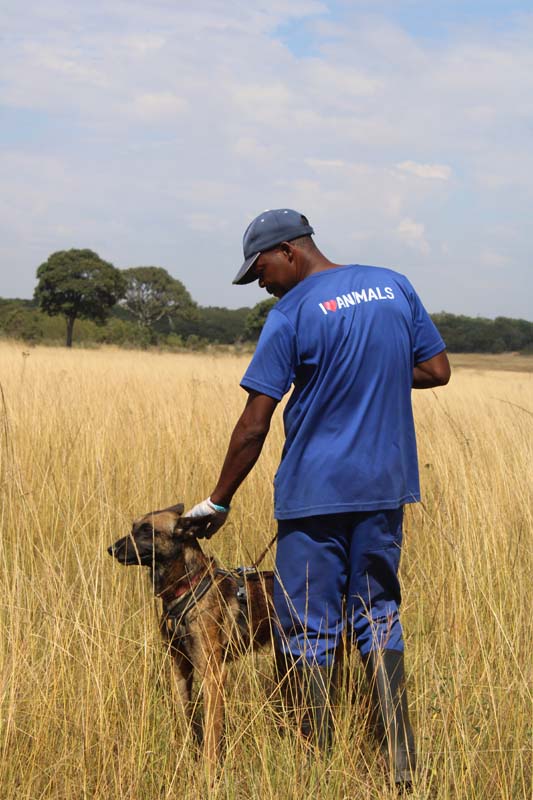
“Most dogs naturally bond strongly with people, which makes the handler relationship one of the easier parts of the process,” FAF says.
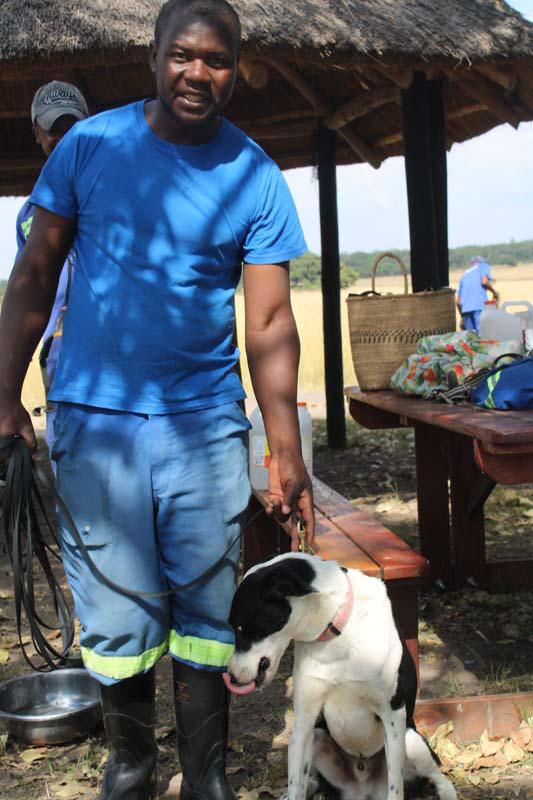
The organisation places strong emphasis not only on the dogs themselves, but also on the people responsible for them once deployed. Security staff on participating farms receive training in kennel management, dog handling, obedience, welfare standards and the day-to-day running of a K9 unit.
Only once handlers are working confidently with the dogs, and FAF has approved the kennel facilities and living conditions, are the animals deployed to their new environments.
The programme works with a wide range of breeds and crossbreeds, depending on climate and working conditions. Short-coated dogs are generally preferred in hotter regions, while cooler areas may suit longer-coated breeds. FAF notes that brachycephalic breeds such as Boerboels are often less suitable for extreme heat due to breathing limitations.
“Crossbreeds often perform exceptionally well because of their resilience and adaptability,” the organisation says.
Not every rescue dog is suitable for security work. FAF stresses that careful selection is essential, particularly for dogs that may come from traumatic or abusive backgrounds.
“A fearful or unstable dog can become dangerous in stressful situations, so welfare and safety always come first,” the team explains.
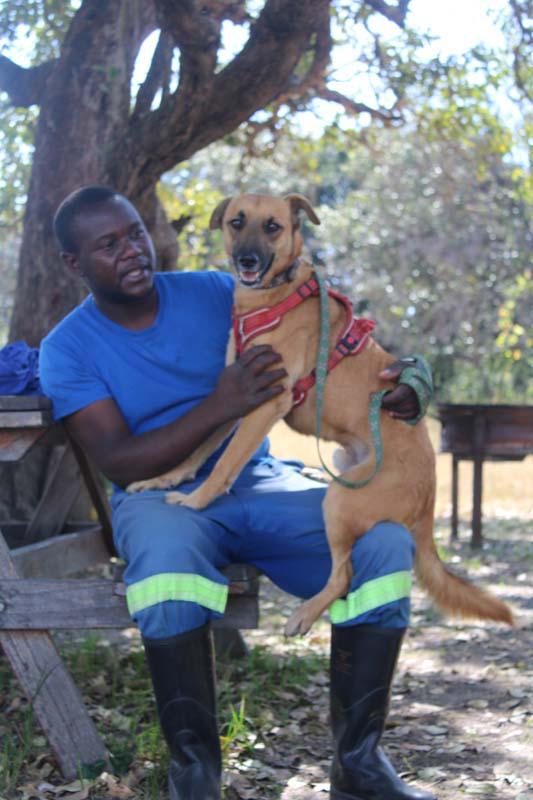
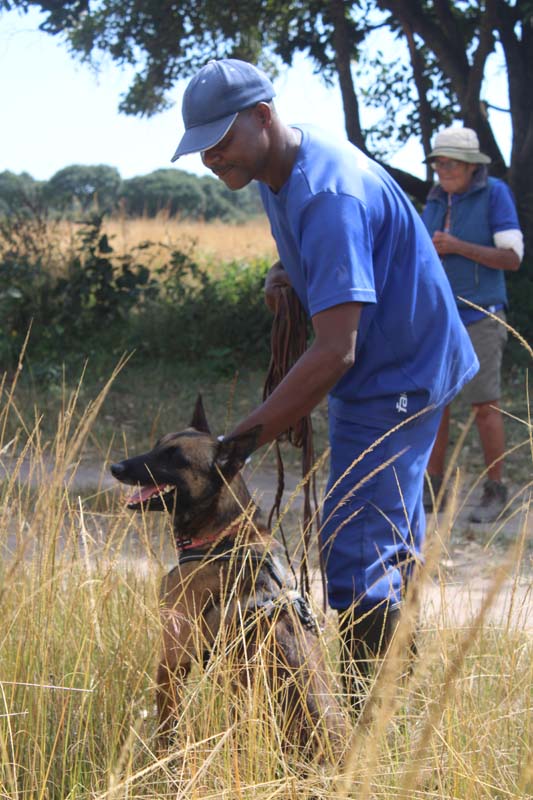
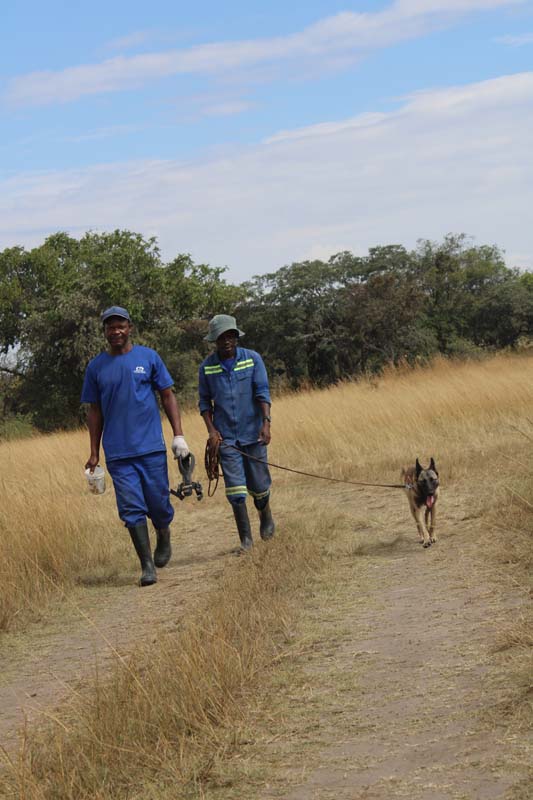
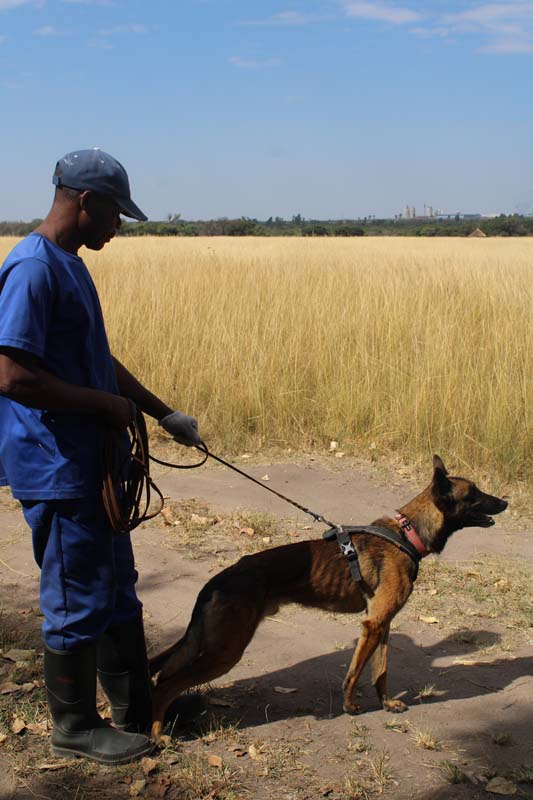
Before deployment, dogs transition gradually into their working roles by patrolling alongside FAF handlers and guards, including supervised patrols in nearby areas as part of their preparation.
Once on farms, the dogs are commonly used to protect high-value crops such as blueberries, poultry units, livestock operations and ranches. The programme has also become an important tool in combating cattle and sheep rustling, trespassing and wildlife poaching on farms and conservancies.
According to FAF, farmers who manage their K9 units effectively often report significant reductions in theft and poaching-related incidents.
Despite the programme’s success, ongoing support remains a challenge for the charity. Limited resources, transport constraints and fuel costs restrict the amount of field support FAF can provide after deployment.
“We are a small team with only two vehicles, and fuel costs are a major challenge,” the organisation says. “However, we continue to offer telephone support and will exchange dogs when necessary to ensure the right placement.”
So far, at least 20 dogs have been successfully deployed into various K9 units across Mashonaland, with the long-term goal of placing 100 dogs into productive working environments. FAF is also heavily involved in preparing specialist anti-poaching dogs for deployment in Zimbabwe’s National Parks.
One of the organisation’s biggest hurdles is changing public perception around working rescue dogs.
“Common misconceptions are that trained dogs must be extremely expensive — or, because they are rescues, that they should be free,” FAF explains.
In reality, each dog undergoes months of rehabilitation, feeding, veterinary care, assessment and training before being considered ready for deployment. The organisation currently charges approximately US$300 per dog, plus delivery costs where applicable, to help cover a portion of these expenses.
Ultimately, FAF hopes to normalise the use of patrol dogs as part of everyday farm management in Zimbabwe.
“We believe patrol dogs can and should become a normal and valued part of everyday farm life,” the organisation says.

Related Content