Zimbabwe’s 2025/26 maize crop: strong planting, mixed season, harvest still provisional
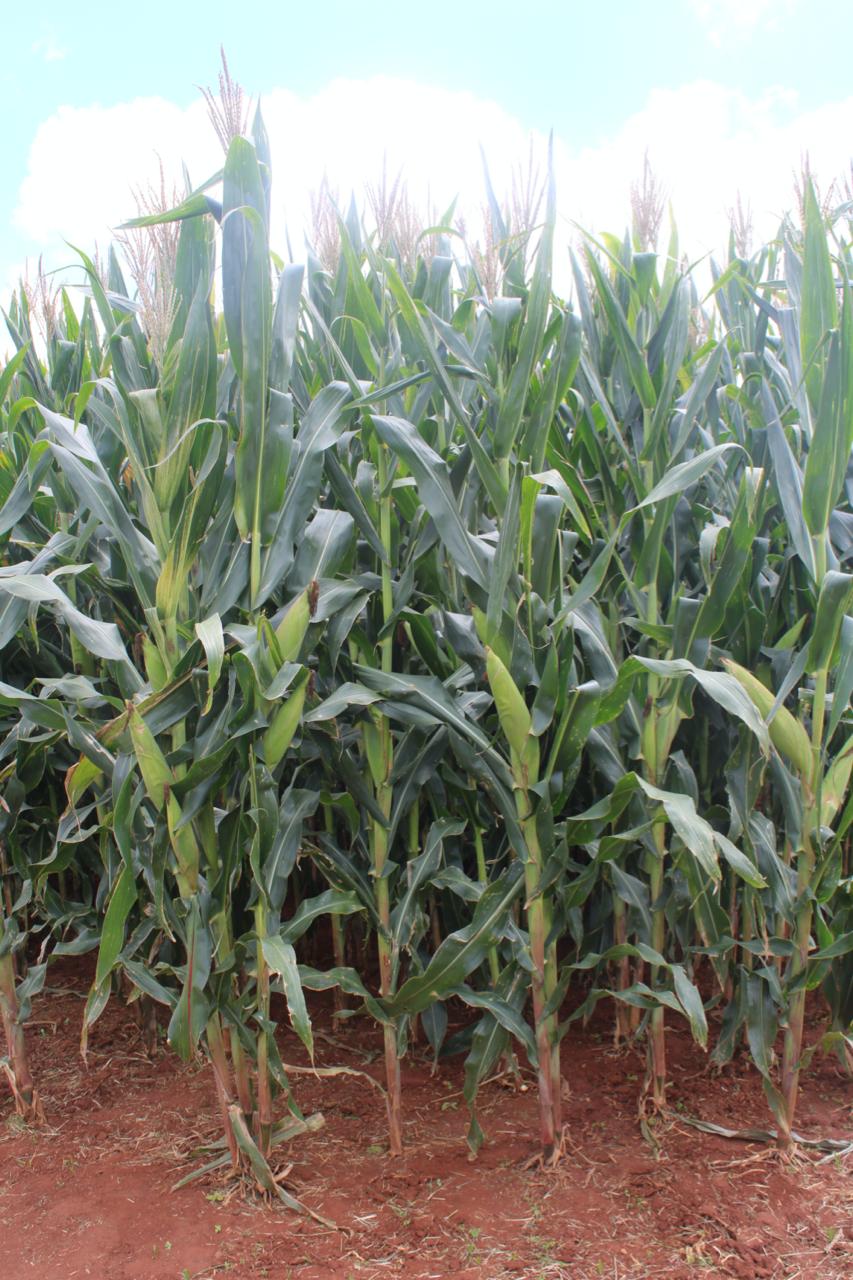
Zimbabwe’s 2025/26 summer cropping season opened with a strong national planting effort, but the final maize harvest remains provisional as reaping continues across the country.
Official and industry reports indicate that approximately 1,885,833 hectares of maize were planted, exceeding the national target of 1.8 million hectares and reaching about 105% of planned area (millingmea.com). This represents an increase on the previous season’s estimated 1.73 million hectares (millingmea.com).
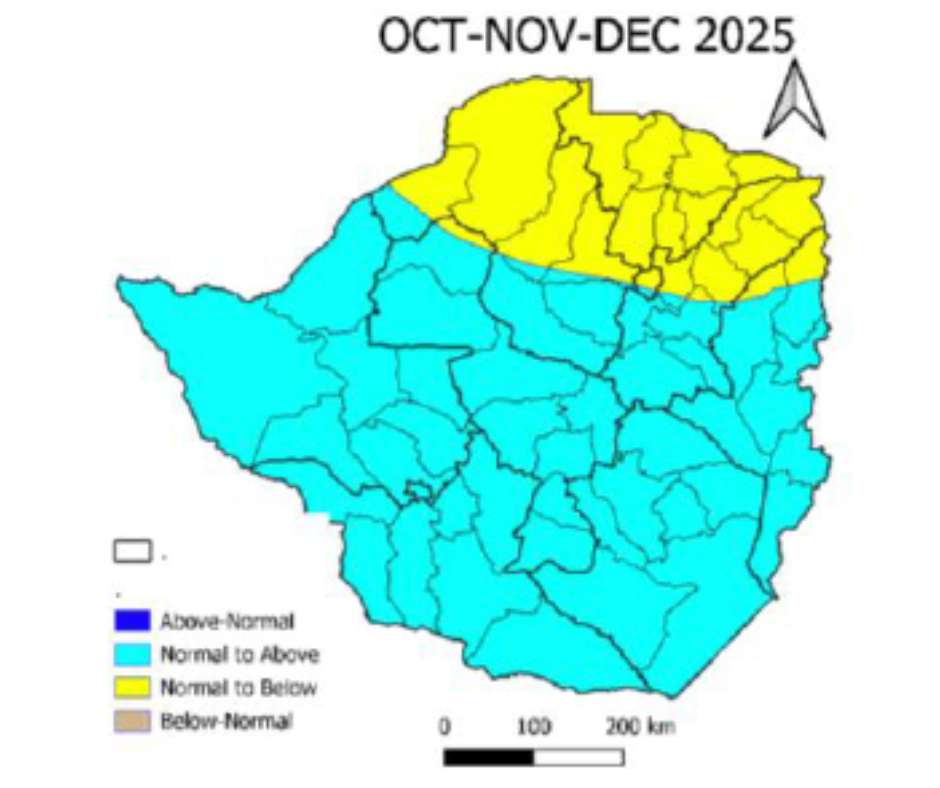
The expansion in planted area has been attributed to favourable early rains and continued support through government input programmes, with independent monitoring also confirming an above-average area planted for the season (fews.net).
Crop conditions, however, have been uneven. While the season began on a positive note with generally good rainfall, excessive precipitation in January 2026 followed by a dry spell in late January to February affected crop development in some areas (fews.net). These weather shifts resulted in localised moisture stress and crop damage, tempering expectations for an exceptional harvest (fews.net).
As of April 2026, no official national maize production figure has yet been released, and harvest outcomes remain provisional as the main reaping window runs from April through June.
Early assessments suggest the crop is likely to be near average rather than a bumper harvest (fews.net), although final output will depend on late-season conditions and yield performance across key producing regions.
For context, Zimbabwe produced approximately 1.82 million tonnes of maize in the 2024/25 season (millingmea.com), with some official assessments placing the figure higher, at up to 2.29 million tonnes (ZimStat / CLAFA report). National annual maize requirements are typically estimated at between 1.8 million and 2.2 million tonnes (ukragroconsult.com).
Based on current conditions, analysts expect the 2025/26 harvest to fall within a broad provisional range of roughly 1.5 to 2.2 million tonnes, though this remains subject to revision once full harvest data is compiled.
The final production outcome will be critical in determining whether Zimbabwe achieves maize self-sufficiency this season or continues to rely on imports to close any supply gap. According to South African sources, Zimbabwe accounts for 38% of South Africa’s total maize exports (so far, total exports amount to 1.95 million tonnes til 17 April) and our country remains South Africa’s most reliable buyer.
A provincial view of the 2025/26 maize crop, while still provisional pending full release of detailed data from the Zimbabwe National Statistics Agency, shows a familiar geographic pattern, with planting heavily concentrated in the country’s traditional grain belt. The three Mashonaland provinces - Mashonaland West, Mashonaland Central and Mashonaland East - continue to dominate national maize production, accounting for the largest share of the approximately 1.89 million hectares planted this season (millingmea.com; fews.net). These provinces benefit from stronger rainfall patterns, higher uptake of input support programmes and a concentration of both smallholder and A2 commercial farmers. Secondary contributions come from Midlands and Manicaland, where mixed farming systems support moderate maize area expansion, although available figures remain partial and indicative. By contrast, the drier southern and western regions (Masvingo, Matabeleland North and Matabeleland South) account for a smaller share of planted area due to climatic constraints, with maize often grown at subsistence scale rather than commercially. Metropolitan provinces such as Harare Metropolitan and Bulawayo Metropolitan contribute only marginally to national output. Overall, while the national planting figure points to an above-average season, the provincial breakdown remains indicative, with final hectare allocations and yields to be confirmed once official statistics are released.
Sources: millingmea.com; fews.net; ZimStat / Crop, Livestock and Fisheries Assessment (CLAFA); ukragroconsult.com; Wandile Sihlobo

Related Content