
Tobacco growers warn of tough season as prices lag despite strong sales
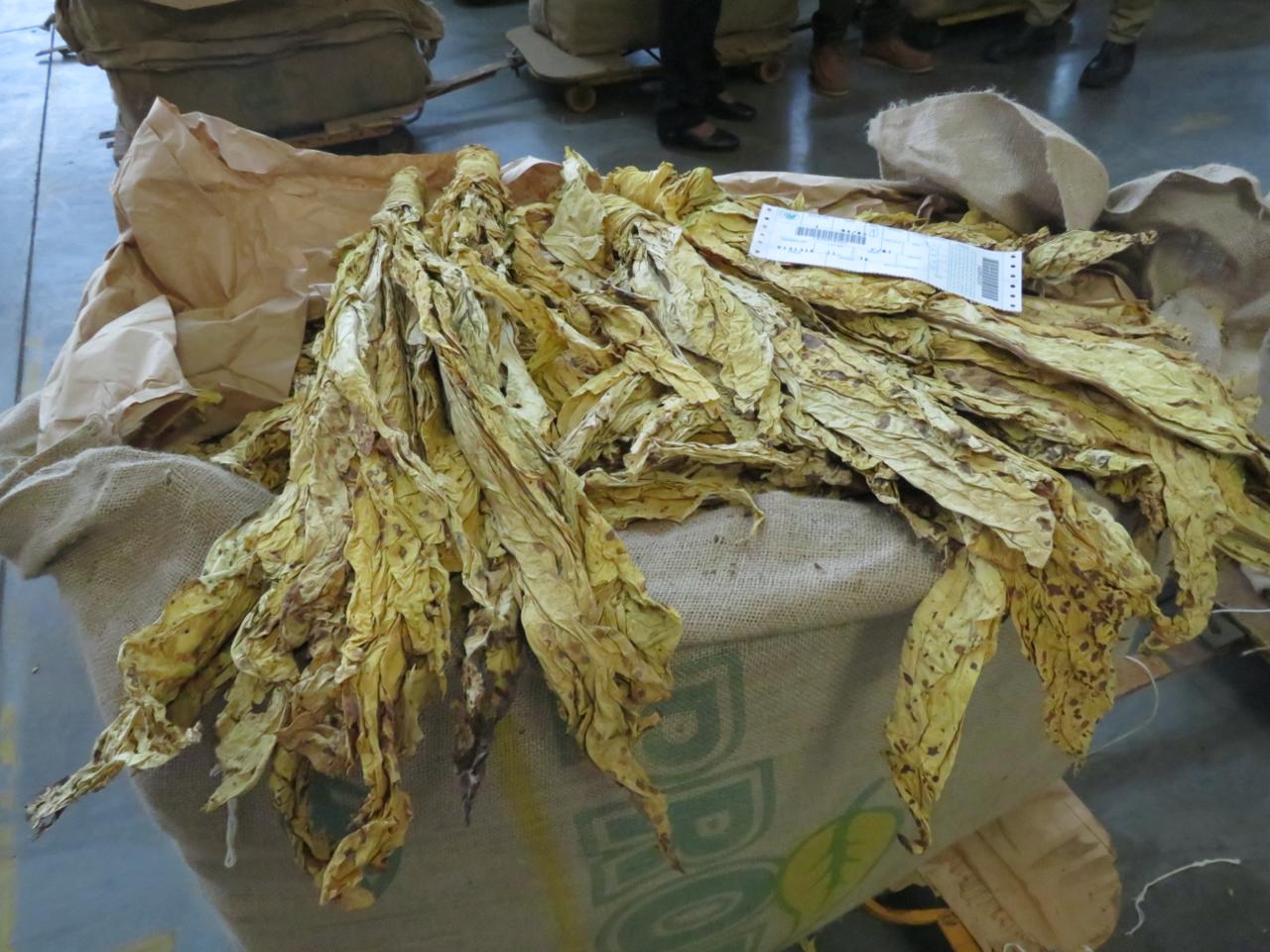
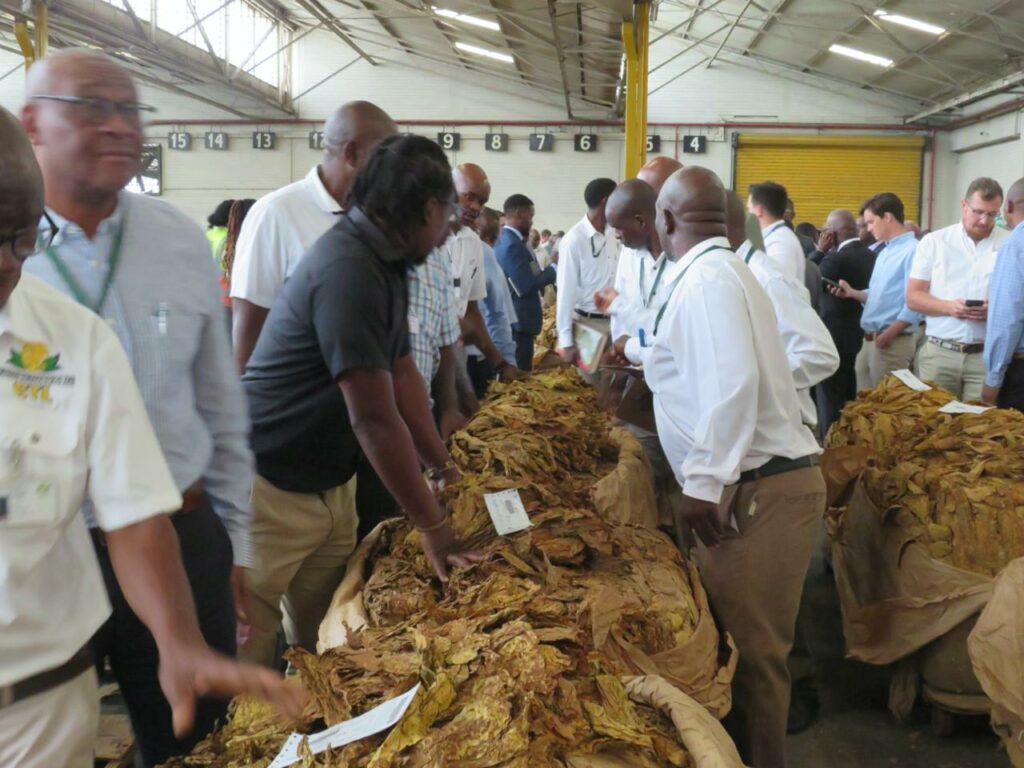
Zimbabwe’s 2026 tobacco marketing season is unfolding with sharply contrasting signals; record early volumes on the one hand, and mounting concern from growers on the other, as prices come under pressure in what industry leaders are increasingly describing as an oversupplied market.
Latest figures from the Tobacco Industry and Marketing Board show that by mid-April, 127.2 million kg of tobacco had been sold, a 67% increase on the same period last year, while earnings have risen 30% to USD 340.1 million. However, the average price has dropped significantly to USD 2.67/kg, down from USD 3.44/kg last year (TIMB Weekly Bulletin No.16, 17 April 2026).
That disconnect between volume and value is being felt acutely at farm level.
In a communication to member producers in April, Zimbabwe Tobacco Association president Graham Ross said the season was progressing with “very mixed feelings on the market and indeed the bottom line,” noting that while some growers have already completed selling, others have yet to begin grading, raising questions about timing strategies and eventual profitability.
Ross cautioned that the industry is facing a “local, regional and world oversupply situation,” warning that growers “cannot give any excuse for a price reduction for factors that are in our control”. His remarks come as market data shows quality is a key determinant this season, with lower-grade tobacco dominating deliveries so far.
According to a week 6 market report, lower stalk tobacco, typically of lower value, accounts for nearly 60% of deliveries and is averaging around USD 1.93/kg, compared to USD 2.66/kg for upper stalk leaf (Market Report Week 6, 17 April 2026). At the same time, over half the crop falls into third to fifth quality grades, with prices largely below USD 2.20/kg (Market Report Week 6, 17 April 2026).
This quality skew helps explain the downward pressure on prices despite strong export demand and rising volumes.
Ross urged growers to refocus on fundamentals ahead of the next season, highlighting that profitability ultimately rests on three pillars: cost of production, yield, and quality. “Less done properly results in more overall,” he said, cautioning against expanding hectarage as a reaction to tight cashflows.
He also warned that rising input costs, particularly fuel, could reshape production decisions, noting that diesel-powered irrigation may become “an absolute non-starter” under current pricing conditions.
Despite the challenges, Ross stopped short of writing off the sector, instead framing the outlook in pragmatic terms: “If there is a future, then each grower must ensure that he or she is not bowled out prematurely”.
With contract sales continuing to dominate the marketing system and buyers holding significant leverage, the remainder of the season will likely hinge on whether later, higher-quality tobacco can lift average prices, or whether the current trend of high volumes and subdued earnings will define the 2026 crop.
The International Tobacco Growers Association (ITGA), an association representing the interests of tobacco farmers globally (and of which the ZTA is one of the founding members), shared context.
Global market context and trends
Leading international leaf merchants have, in recent years, consistently reported low levels of uncommitted stocks, which supported stronger buying activity and encouraged growers globally to expand production.
That cycle is now reversing into oversupply. Recent industry guidance highlights this shift:
Alliance One International notes that “continued strong production… is expected to result in oversupply levels.”
Universal Corporation reports that “flue-cured, burley, and oriental tobacco [have] moved into oversupply positions.”
This reflects a broader structural dynamic. As highlighted by the President of the International Tobacco Growers' Association, José Aranda:
“From a production standpoint, it is very important for each country to be very cautious when planning its production volume, since the aggregate of all these volumes affects global supply and available stocks, and consequently the market prices of the product.”
At a global level, leaf production has expanded sharply, with estimates indicating roughly 25% growth between 2022 and 2025, driven by acreage expansion and recovery from earlier supply constraints.
Current flue-cured Virginia (FCV) forecasts suggest production is stabilising at high levels, with global output projected at approximately 4.2–4.3 billion kg, or around 2.2–2.3 billion kg excluding China - effectively in line with last season, but still elevated relative to historical norms.
Major producing countries - and key competitors to Zimbabwe - have also increased output significantly, including Brazil, reinforcing the global supply surge and intensifying competition in export markets.
On the demand side, end-product consumption remains relatively flat overall:
Global nicotine consumption is broadly stable in volume terms.
Cigarettes continue to dominate demand, accounting for the overwhelming majority of usage.
Alternative nicotine products are growing, but not yet at a scale sufficient to dictate leaf sales swings.
As a result, pricing has stabilised - and in many cases declined - over the past season and into the current one, reflecting the combined effect of replenished stocks, higher production, and steady (but not expanding) demand.
This global backdrop is reinforcing downward pressure on leaf prices, placing greater emphasis on quality, efficiency, and disciplined production planning at grower level.



Related Content