
Illegal tobacco seed crackdown begins as Government moves to protect Zimbabwe’s biggest agricultural export
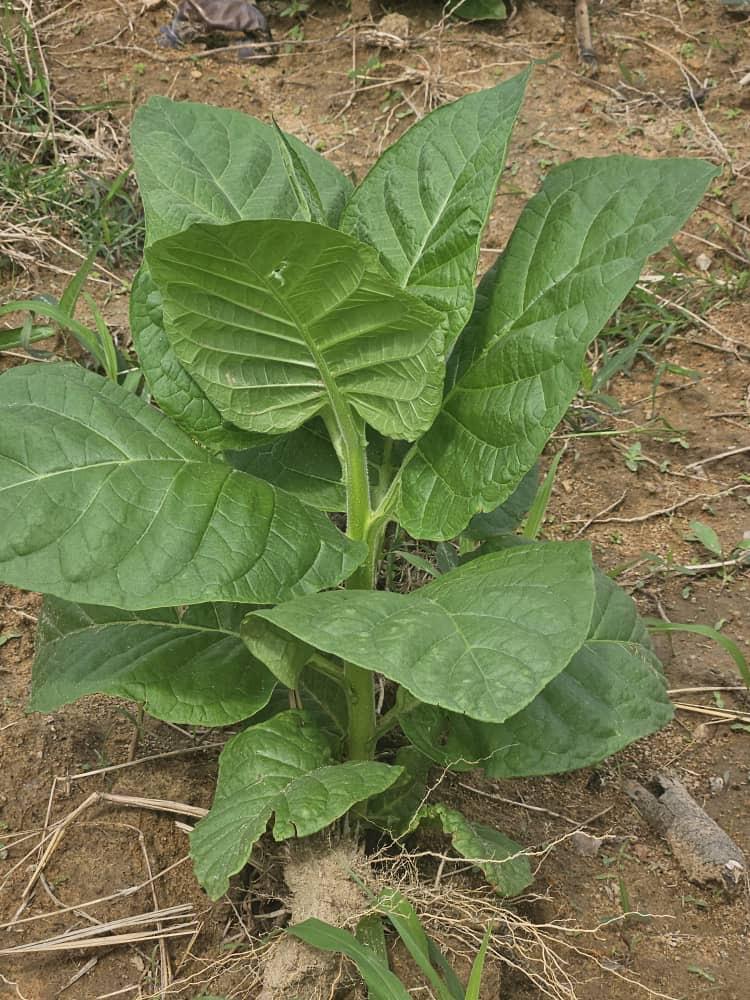
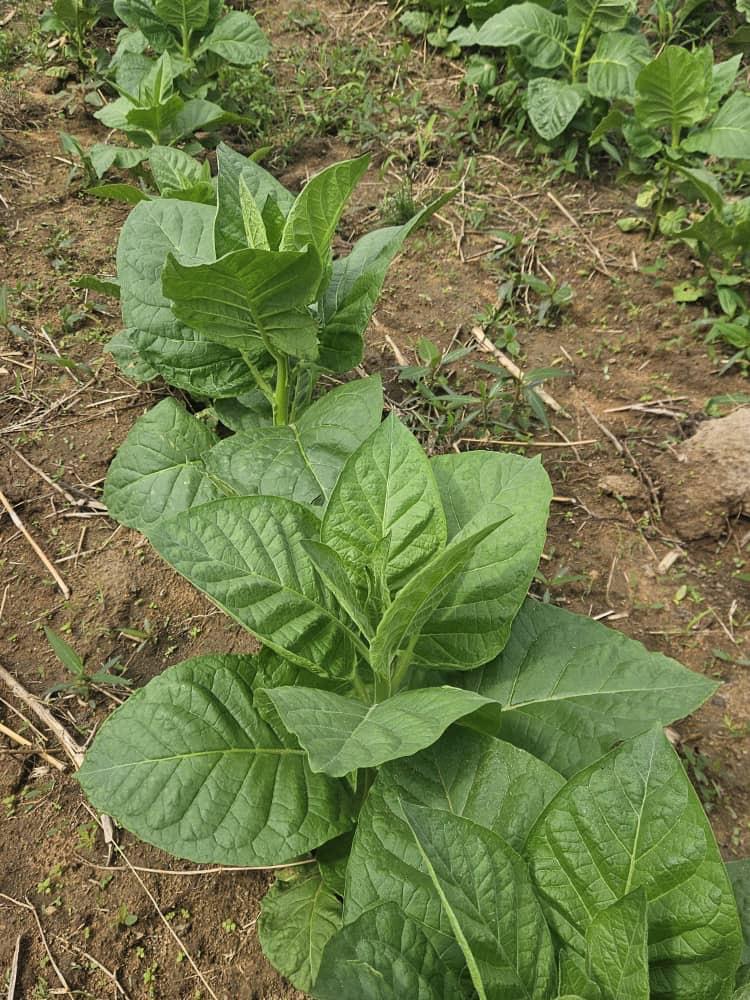
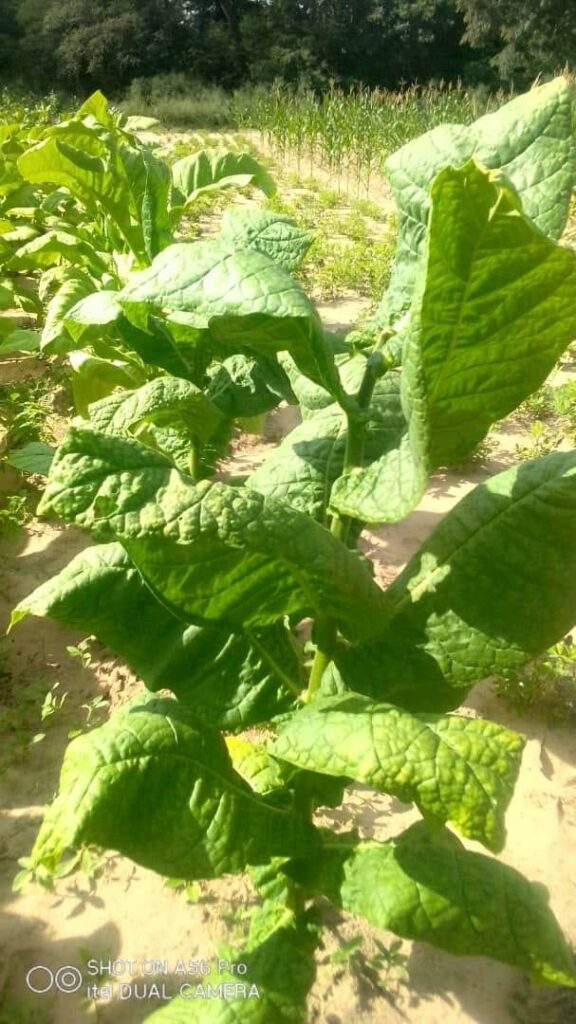
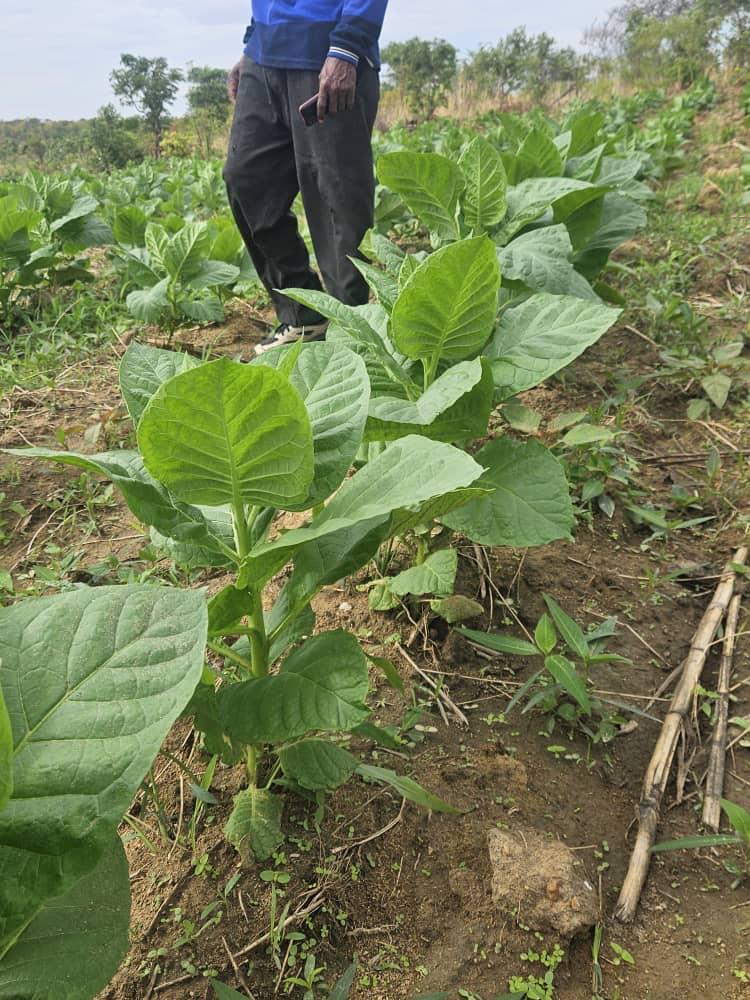
With Zimbabwe's tobacco industry generating more than USD 876 million to date during the 2026 marketing season, Government has launched a coordinated national campaign to eliminate illegal tobacco seed varieties, warning growers that crops established from unregistered seed will be destroyed and offenders prosecuted.
The move comes as farmers across the country begin establishing seedbeds for the 2026/27 crop, with authorities determined to protect the quality, traceability and international reputation of Zimbabwean tobacco (which is one of the country's largest sources of export earnings and foreign currency, supporting hundreds of thousands of farming households).
The warning came at the inaugural Joint Illegal Tobacco Varieties Indaba, jointly hosted last Friday by the Tobacco Industry and Marketing Board (TIMB) and Kutsaga Research Board, which brought together Government, regulators, researchers, contractors, grower representatives, law enforcement agencies and traditional leaders to develop a coordinated national response to the growing threat of illegal tobacco varieties.
Addressing delegates, Professor Obert Jiri, Permanent Secretary in the Ministry of Lands, Agriculture, Fisheries, Water and Rural Development, said the Indaba's timing was deliberate - the 2026 tobacco marketing season is wrapping up, and planning for the next crop is already in motion. Dr Dumisani Kutwayo read the speech on Prof Jiri's behalf.
As of mid-July, Zimbabwe had sold more than 353 million kg of tobacco worth over USD 876 million, underlining the importance of safeguarding one of the country's most valuable agricultural industries.
Prof Jiri said Zimbabwe's reputation as a producer of premium tobacco had been built over decades through scientific research, quality assurance and strong regulatory systems, but warned that illegal and unregistered varieties now posed a serious threat to that reputation.
He said these varieties have not been approved for commercial production in Zimbabwe, are not recognised by the country's regulatory systems and compromise the quality, consistency and traceability demanded by international buyers.
"There is no policy gap and no legal uncertainty," Prof Jiri said.
"The law is already in place. Tobacco grown from unregistered varieties is illegal and must be destroyed. Our responsibility is not to create new legislation but to enforce existing legislation decisively, consistently and without exception."
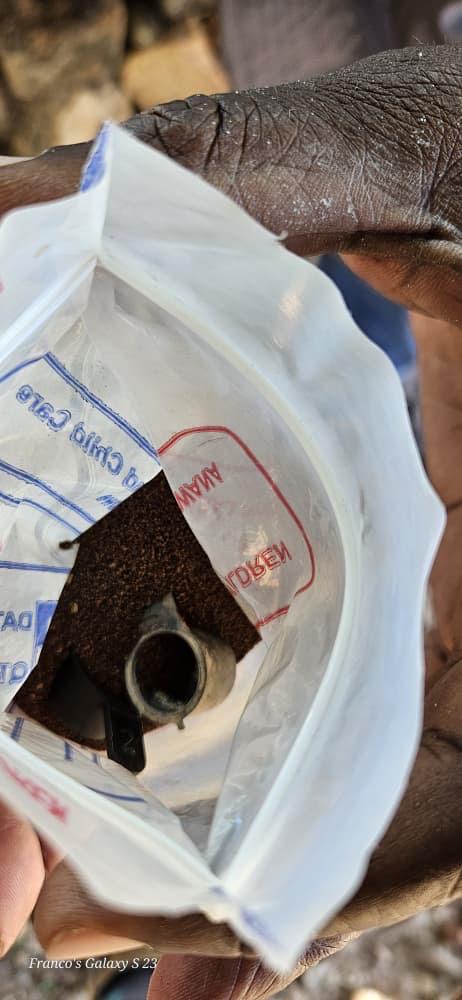
He revealed that Government had already demonstrated its willingness to act, citing convictions during the previous season after DNA testing confirmed the cultivation of the illegal variety commonly known as "KamuZambia."
In one case, a Marondera farmer was fined USD 10,000 and had an entire crop destroyed, losing not only the crop itself but also all investment in seed, fertiliser, chemicals, labour and curing while remaining liable for outstanding loans and contractual obligations.
According to Government, the issue extends well beyond compliance.
Officials warned that illegal varieties threaten export markets by undermining product consistency and traceability, while some varieties may not possess the chemical characteristics required by premium international markets. With global buyers increasingly demanding full traceability from seed to finished product, maintaining confidence in Zimbabwe's production system has become more important than ever.
Prof Jiri emphasised that Kutsaga Research Board remains Zimbabwe's only authorised producer of certified tobacco seed, with every registered variety having undergone years of scientific evaluation to ensure suitability under local conditions and compliance with international market requirements.
"There is therefore no justification whatsoever for using unregistered seed," he said, urging farmers to remember that "Local is trusted. Local is tested. Local protects Zimbabwe."
The Indaba also marked a shift towards greater coordination between institutions responsible for enforcing tobacco regulations.
Government wants TIMB, Kutsaga, Plant Quarantine Services, Seed Services, AGRITEX, law enforcement agencies, contractors and grower organisations to operate under a unified national enforcement framework, supported by standard operating procedures covering inspections, identification of illegal varieties, crop destruction, evidence management and reporting.
Growers' associations, contractors and traditional leaders were all urged to play a greater role in preventing the spread of illegal seed by promoting awareness and ensuring farmers only plant certified varieties. Contractors were specifically reminded of their responsibility to supply only certified seed to contracted growers.
TIMB Chief Executive Officer Emmanuel Matsvaire said the Indaba had been convened to ensure all stakeholders were aligned before planting for the new season.
He said the objective was to strengthen collaboration, clarify institutional responsibilities and develop practical enforcement mechanisms to ensure illegal tobacco varieties are not grown in Zimbabwe.
Looking ahead, Government also encouraged growers to prepare for the possibility of below-normal rainfall by adopting climate-smart production practices, expanding irrigation where possible and planting certified drought-tolerant varieties developed through Kutsaga's research programmes.
The message to growers was unequivocal: the success of the 2026/27 tobacco season begins with planting legal, certified seed. Protecting Zimbabwe's premium tobacco reputation, export markets and farmer incomes starts in the seedbed.

Related Content
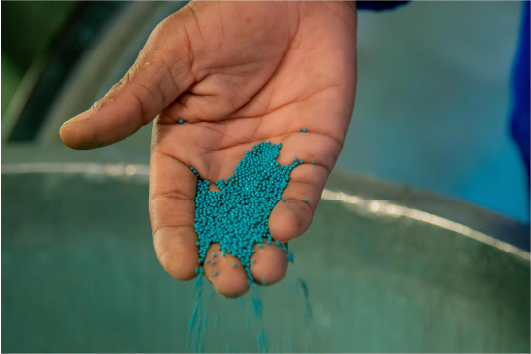
Tobacco seed alert: Protecting Zimbabwe’s golden leaf industry
Zimbabwe’s tobacco industry faces a growing threat from illegal seed varieties entering the market, according to a recent report from Kutsaga Research Station. Mr. Francis Mukoyi, Head of Genetics, Biotechnology & Bioinnovations at Kutsaga, warns that unauthorised tobacco varieties are compromising both farmer profitability and the country’s reputation as a premium tobacco producer. Troubling trend Kutsaga…
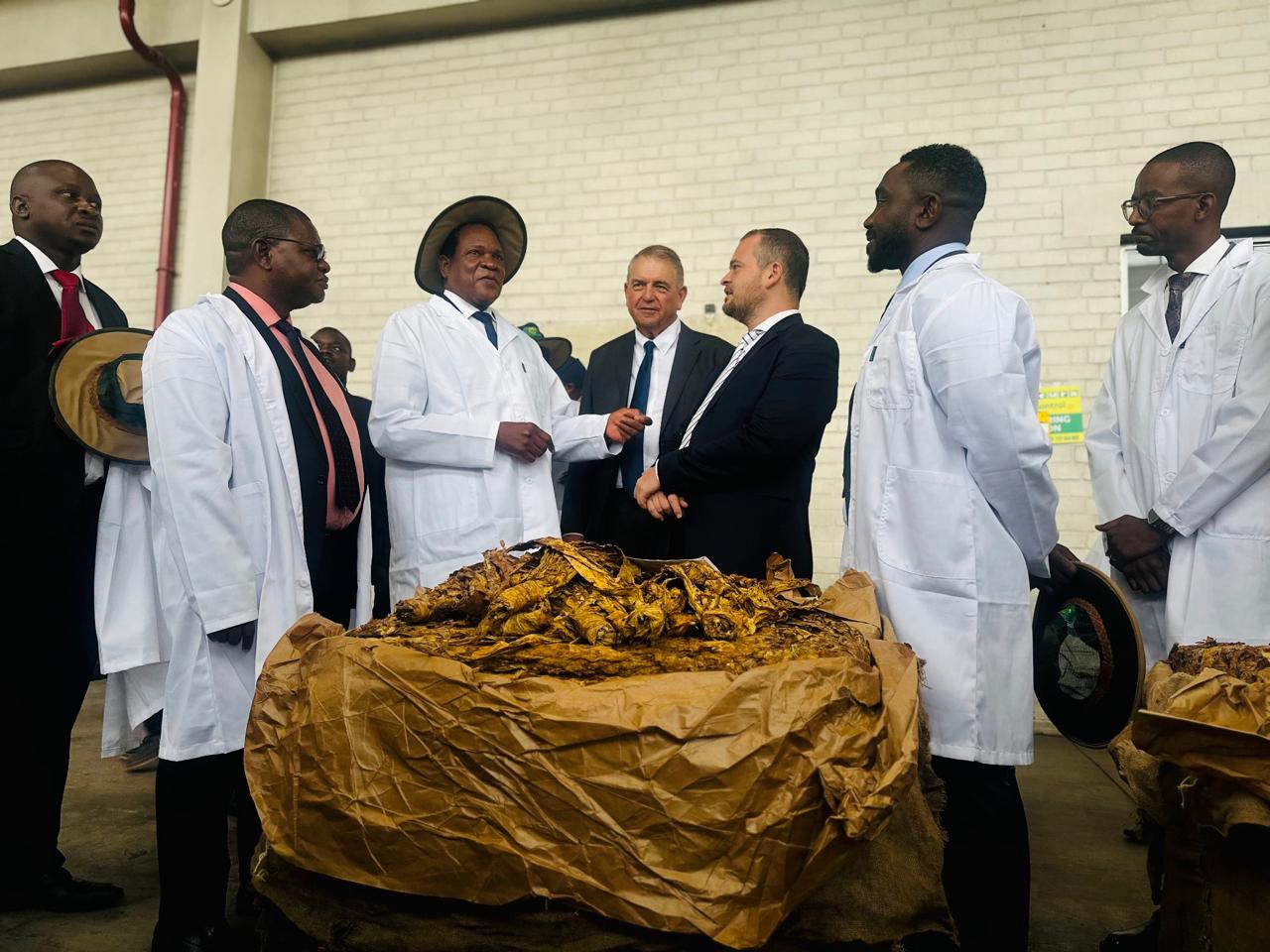
Zimbabwe’s 2025 tobacco marketing season opens
On March 5, 2025, the annual tobacco sales and marketing season officially began at the Tobacco Sales Floor in Willowvale, Harare. The ceremony featured the auction of the first bale, which fetched USD 4.65 for lemon leaf tobacco, continuing the time-honored tradition presided over by the guest of honour, Hon. Dr. Anxious Jongwe Masuka, Minister…
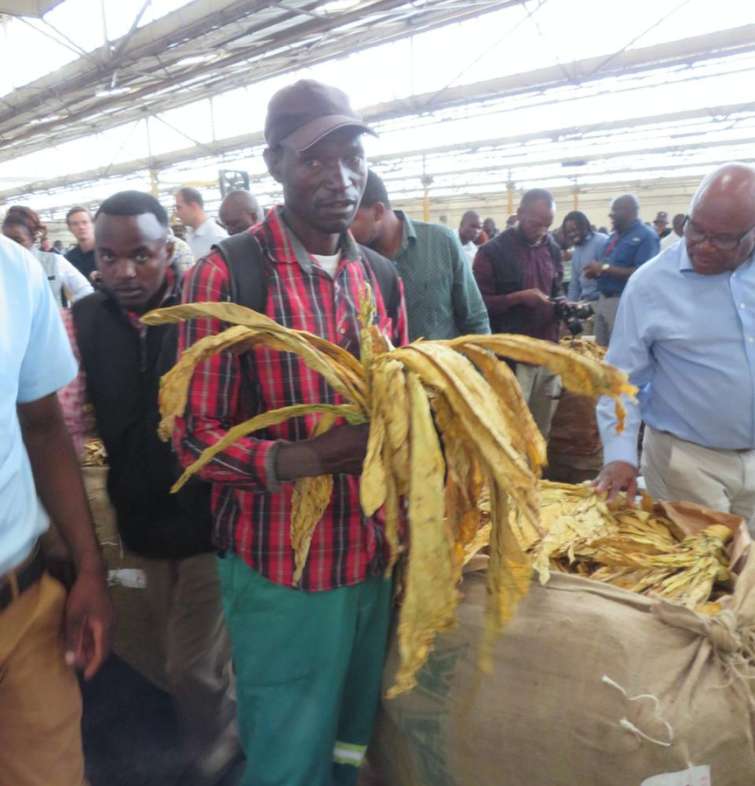
Zimbabwe’s tobacco sector record expansion signals new era of growth
Zimbabwe’s 2025/26 tobacco growing season has opened on a highly positive note, marked by significant expansion in planted hectarage, increased participation by women and small-scale farmers, and renewed confidence across the tobacco value chain. This comes on the back of a record-breaking national yield in 2025 (surpassing 353 million kg). Tobacco remains a cornerstone of…
Discover more articles
- Agriculture (168)
- Agritourism (1)
- Animal Health (12)
- Appointments (1)
- Aquaponics (4)
- Arable (6)
- Arable Farmer Focus (2)
- Associations and Unions (3)
- Bees and Beekeeping (1)
- Cattle (66)
- Community (11)
- Crops and Cereals (21)
- Dairy (5)
- Discover Products (5)
- Diversification (3)
- Electrical Power (2)
- Electricity Supply (2)
- Farm Life (7)
- Feed and Forage (14)
- Finance (2)
- Forestry (3)
- From the Archives (2)
- Fruit Farming (2)
- Government (10)
- Grassland (5)
- Horticulture (10)
- Livestock Farmer Focus (4)
- Machinery and Equipment (8)
- Meat Processing (1)
- Organic (1)
- Pigs (2)
- Poultry (8)
- Produce (0)
- Property News (0)
- Rabbits (3)
- Renewable Energy (2)
- Reviews and Tests (0)
- Rural Life (5)
- Sheep and Goats (26)
- Slurry and Irrigation (1)
- Supermarkets (0)
- Sustainable Agriculture (25)
- Technology in Agriculture (8)
- Tobacco (28)
- Tools and Toys (1)
- Unlisted (0)
- Videos (6)
- Weather (14)
- Webinars (0)
- Women in Agriculture (4)
- Young Farmers (5)