
ART Farm Varieties Demo Day: Seed, chemicals, innovations

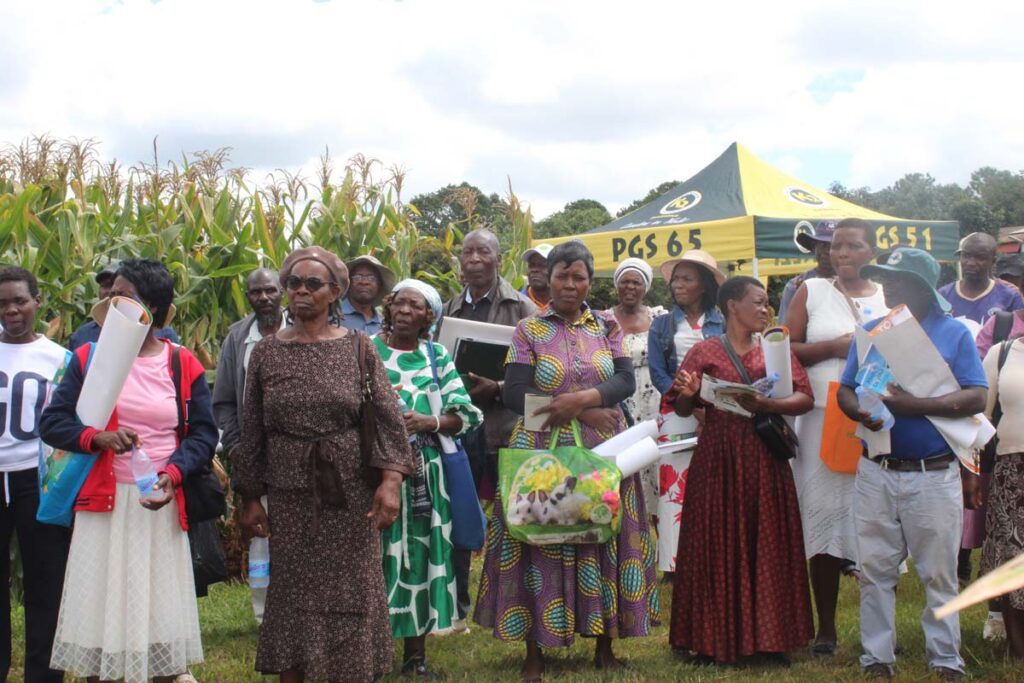
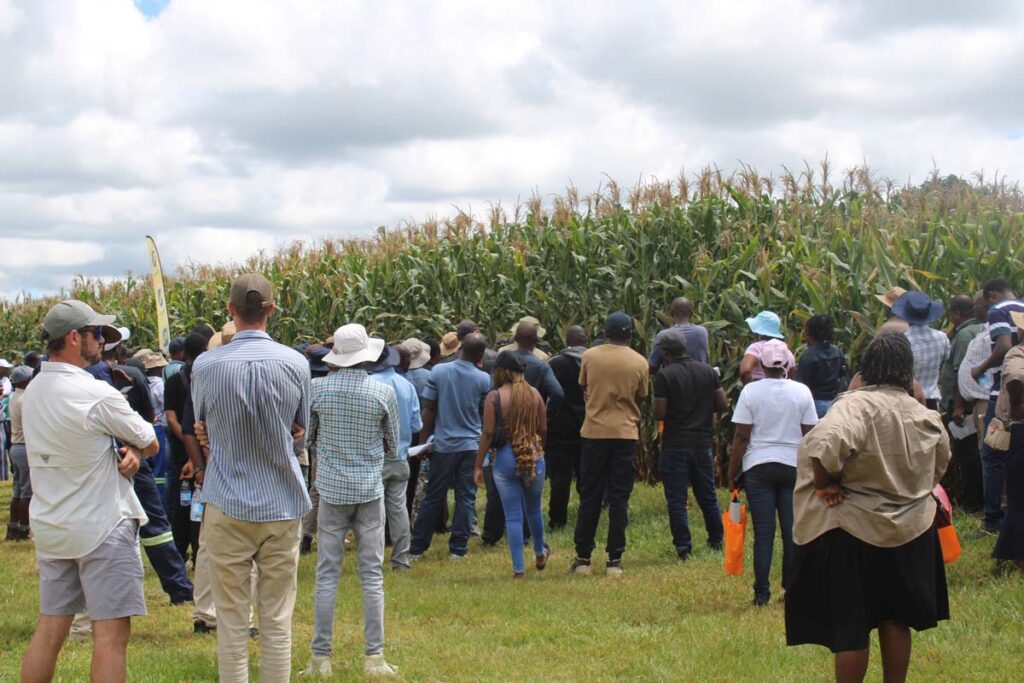
ART Farm recently held its annual Varieties Demo Day, bringing together partners, seed companies, agrochemical suppliers and farmers for a showcase that this season carried a distinctly forward-looking flavour. Alongside the traditional side-by-side variety plots, the day surfaced a technology conversation that is growing louder across the commercial farming sector: drone spraying, and the regulatory gap that currently surrounds it.
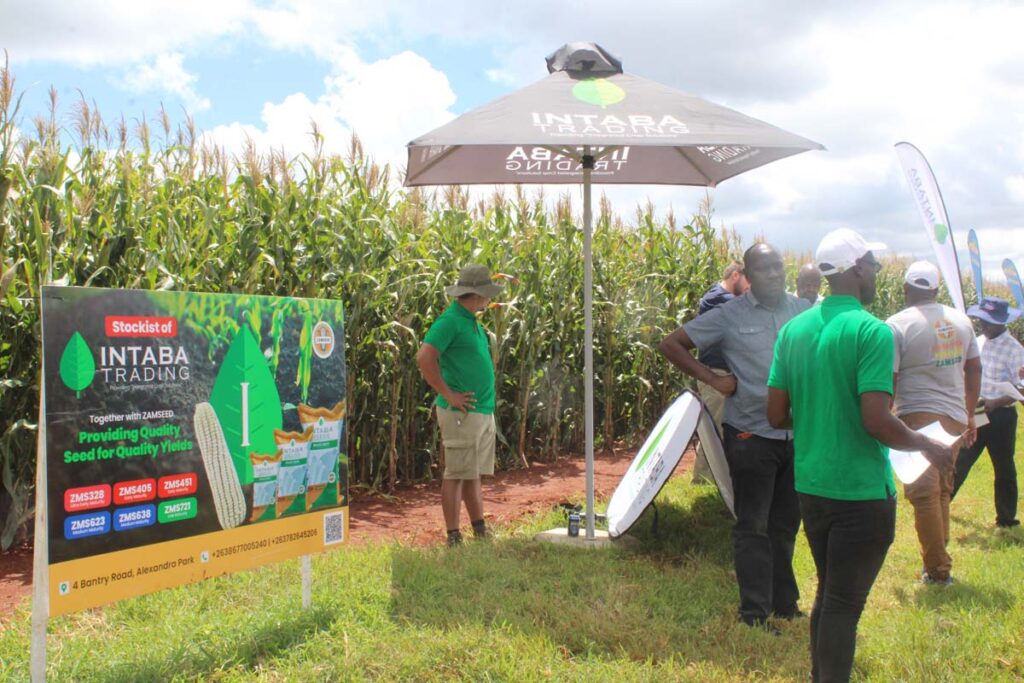
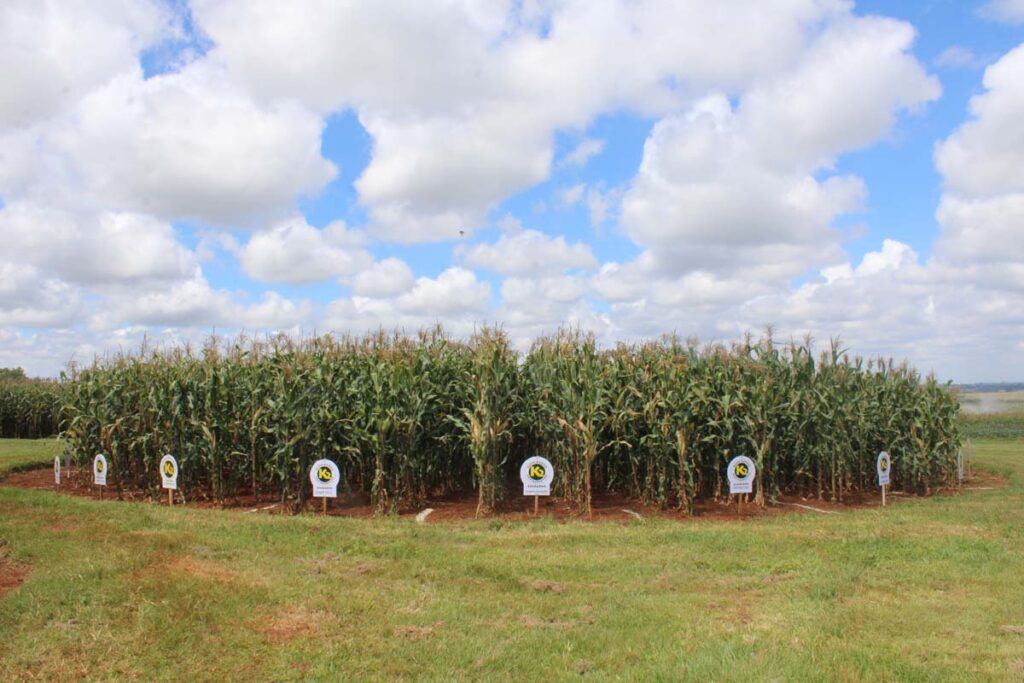
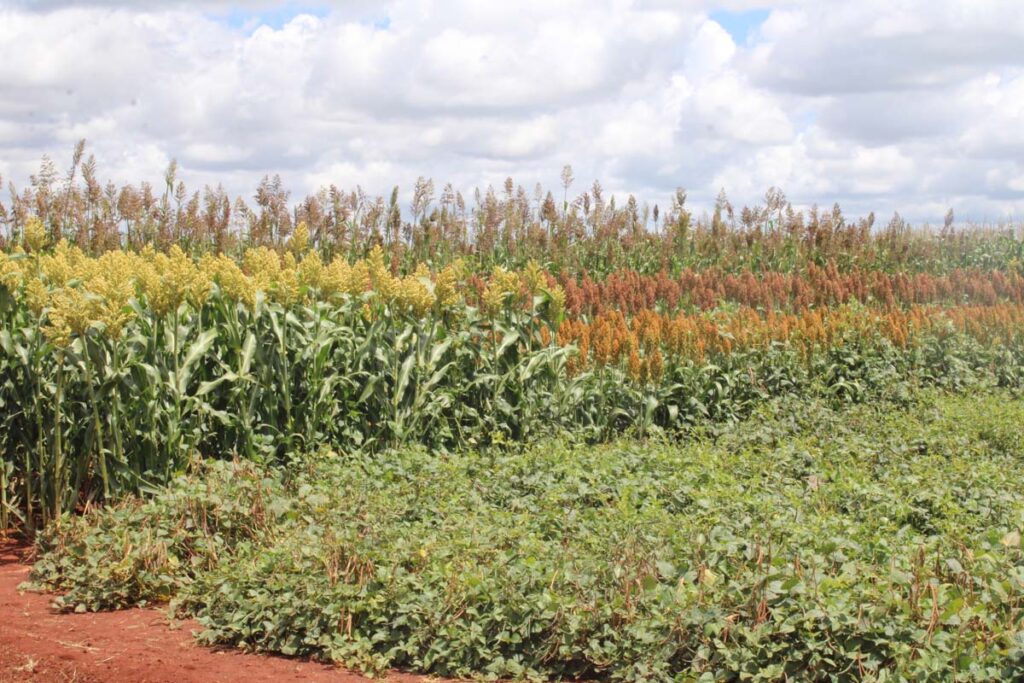
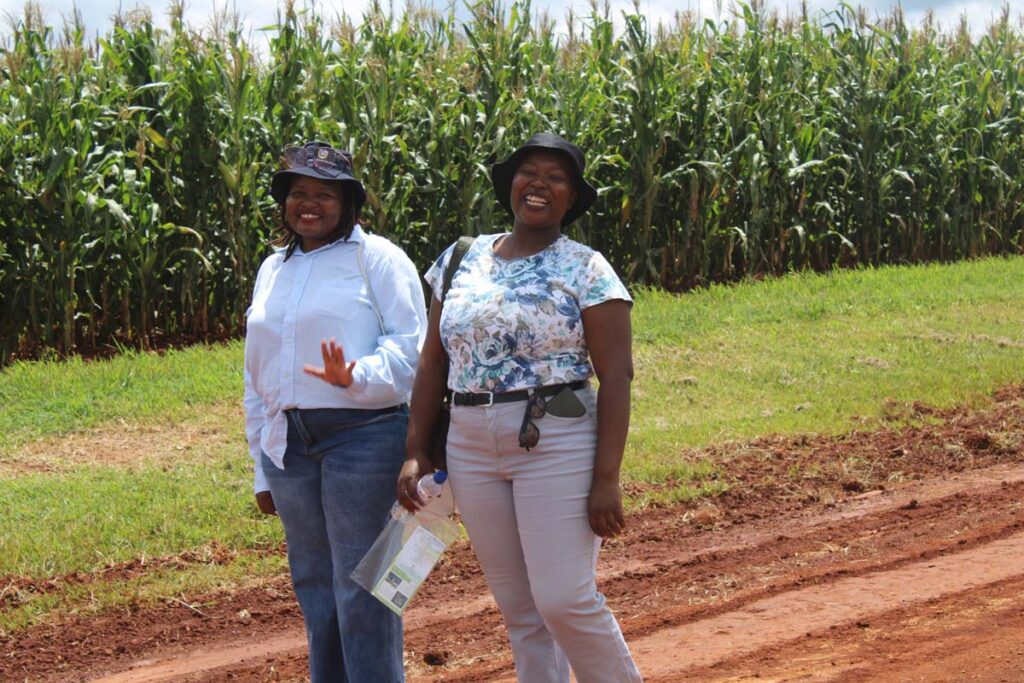
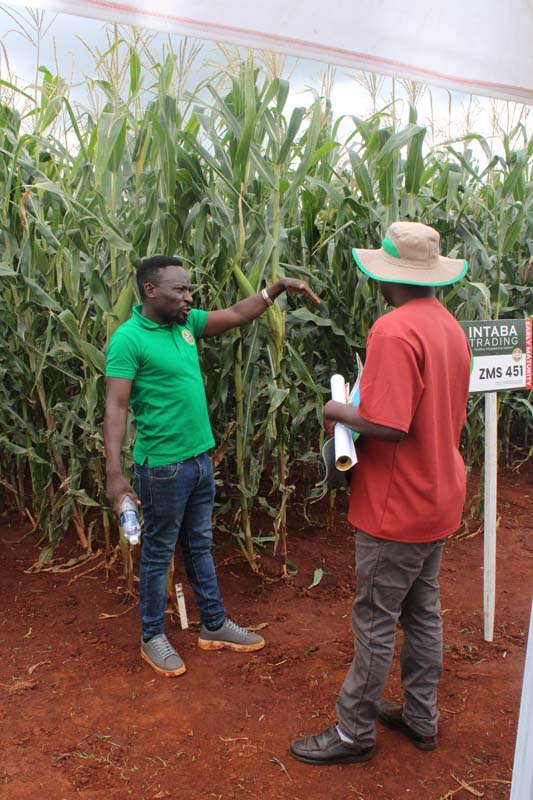
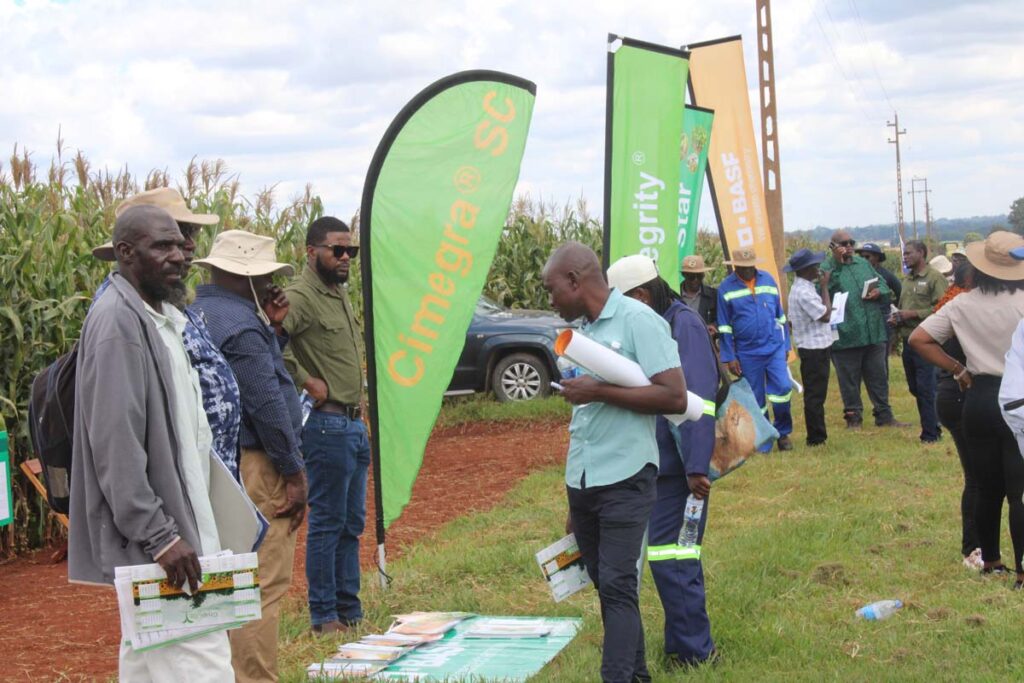
The centrepiece of the day was the comparison plots of maize and soyabean varieties submitted by partner seed houses. Rows of hybrids gave attendees the chance to walk the land and make the kinds of judgements no brochure can replicate. Six seed houses were represented across crops including sorghum, soya, maize, sugar beans and sunflower, all planted side-by-side under identical conditions for direct comparison.
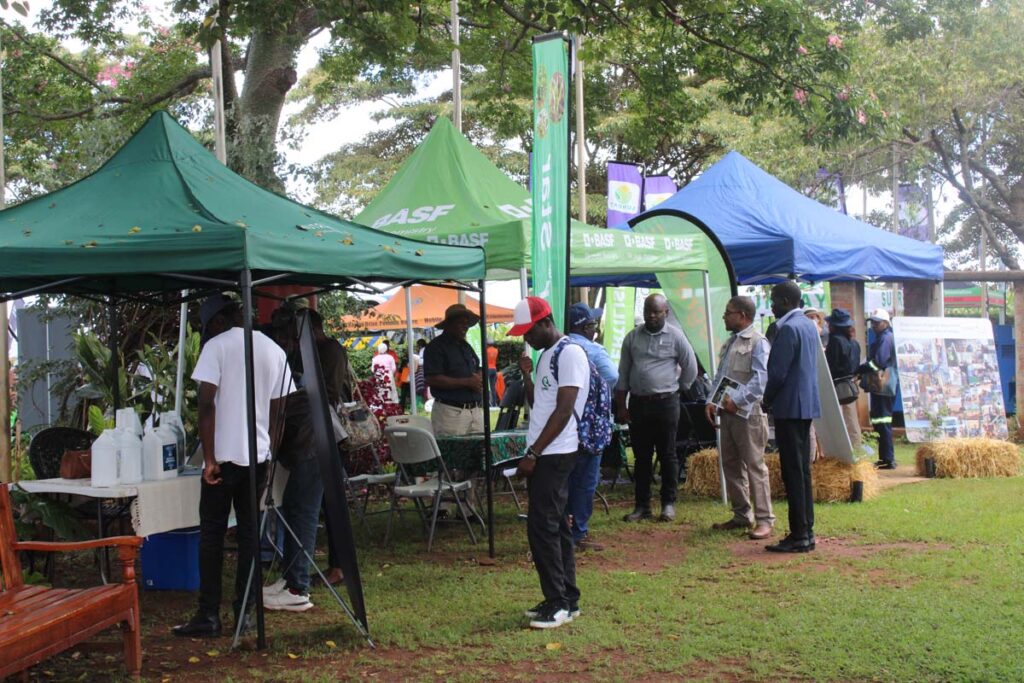
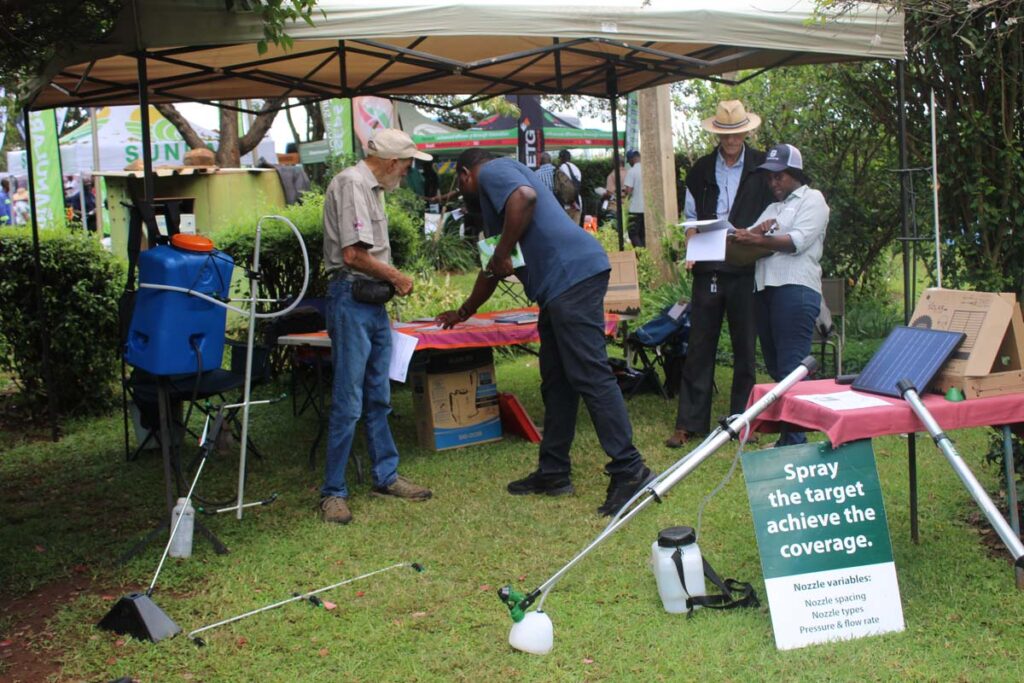
Agrochemical companies complemented the seed showcase with their own application demonstrations, offering a practical view of crop protection in the field. From seed dressings targeting fall armyworm to broader crop management programmes, the demonstrations reinforced how tightly genetics and chemistry are intertwined in modern production systems.
Research driven by farmers
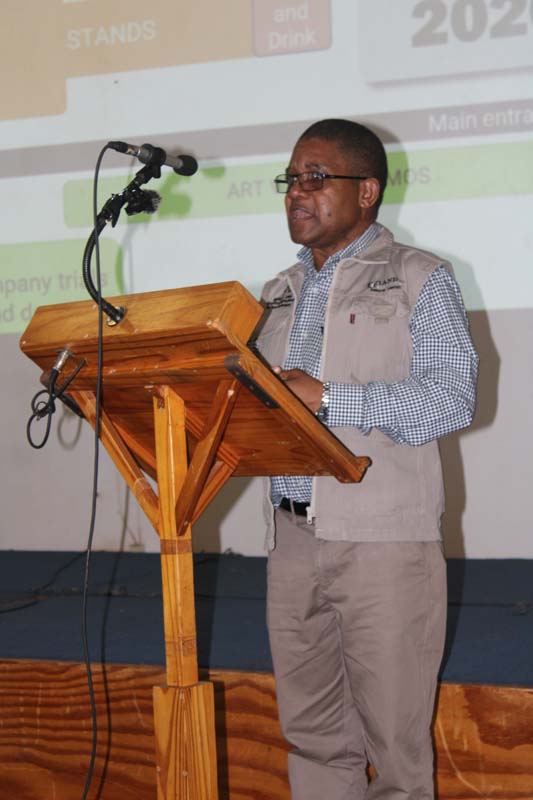
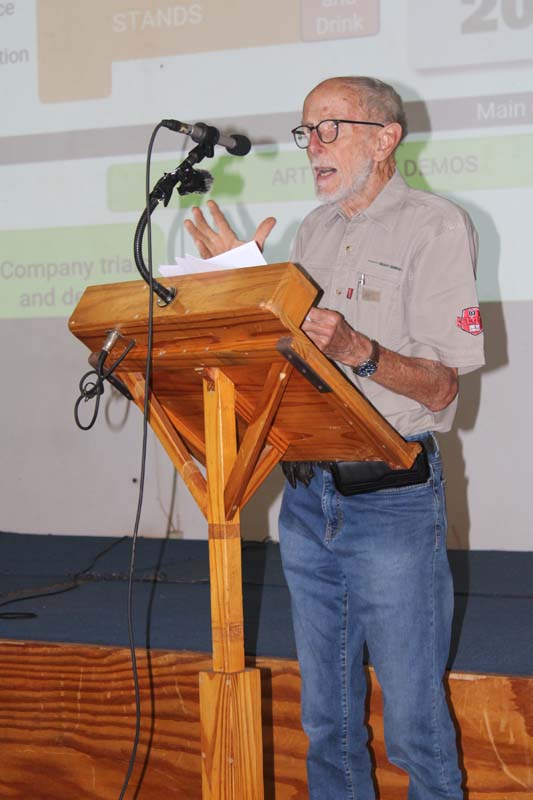
ART Farm Research Director Hugo Winkfield emphasised that the institute’s work is shaped directly by the farmers it serves, rather than by external research agendas.
“ART is not only set up to serve farmers, but is also set up by farmers and managed by farmers,” Winkfield said. “That means the ideas for our research come straight from the source. Everything you see here today is part of that effort.”
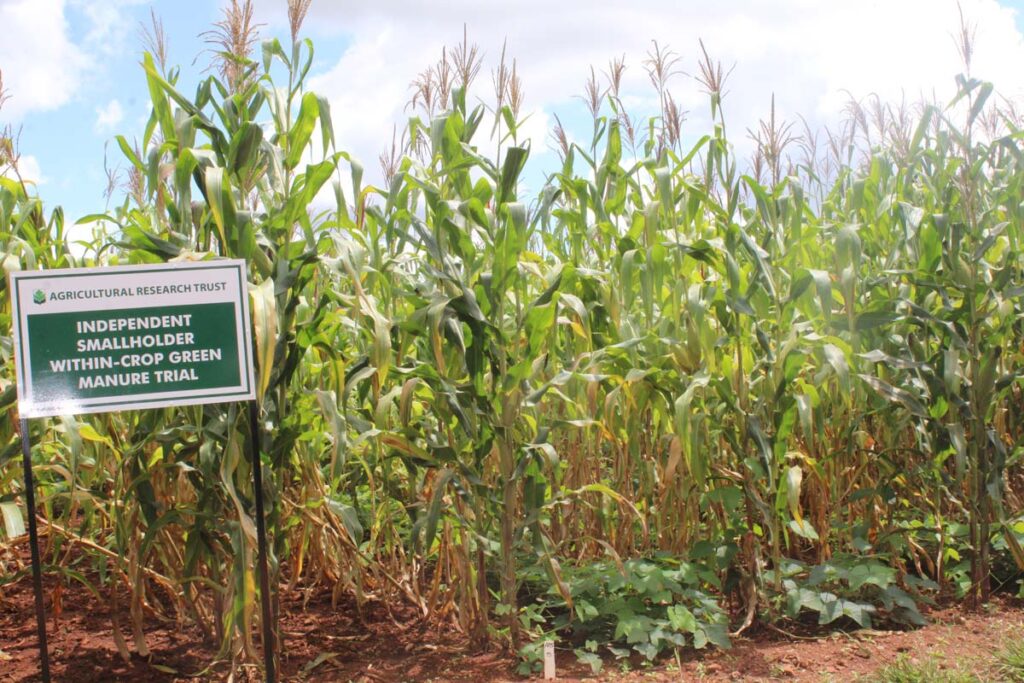
He added that this approach is reflected in both the national variety trials, conducted across 15 sites and freely available online, and ART’s independent research work.
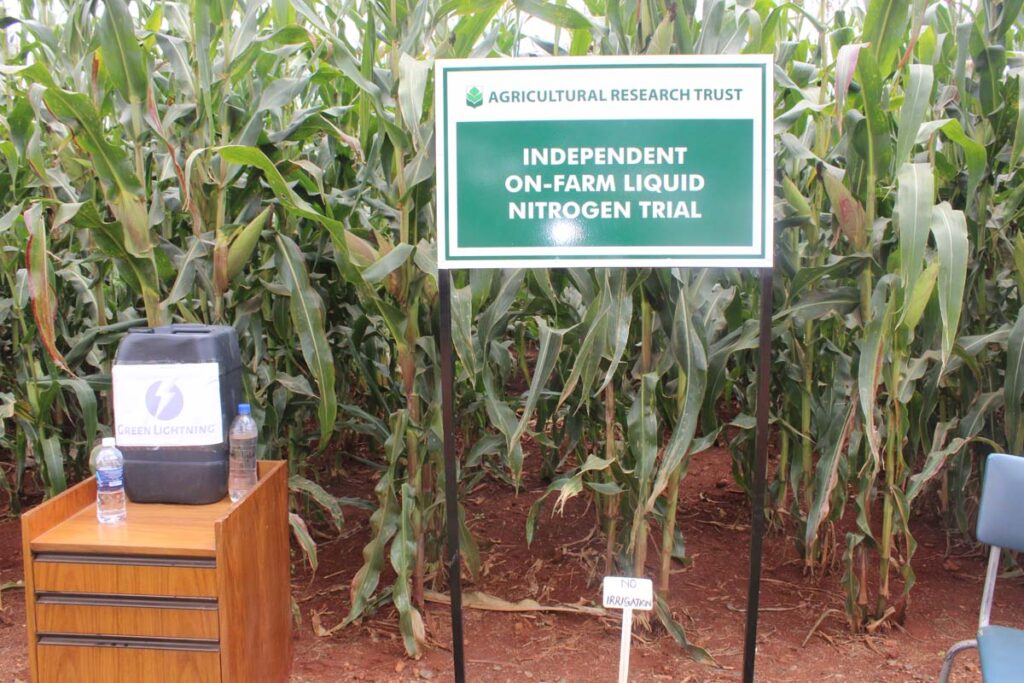
Among the highlights this year, Winkfield pointed to the Green Lightning trial, an on-farm liquid nitrogen system produced using only electricity and distilled water.
“It’s an especially interesting way of cutting back on fertiliser out of the bag,” Winkfield said, noting the relevance in the context of rising input costs.
Above the mud as drones enter the conversation
While the field plots grounded the day in agronomy, discussion among speakers increasingly turned to the role of drone technology in crop protection.
Dr Dumisani Kutwayo, Chief Director in the Department of Research and Specialist Services, said the increased use of drones this season has been driven largely by weather conditions.
“Most of us noticed that this year it was very difficult to spray using tractor or knapsack sprayers because of the heavy rains,” Kutwayo said. “As a result, there was an increase in the use of drones.”
However, he cautioned that current agrochemical labels do not yet accommodate this method of application.
“If you look at our pesticide labels, you won’t find any recommendations for drones,” Kutwayo said. “Yet they are being used.”
Kutwayo explained that the Ministry has responded by establishing a Technical Subcommittee on drone use in agriculture, bringing together stakeholders from CropLife, universities, drone operators and the Civil Aviation Authority of Zimbabwe.
“In order to develop standard operating procedures, we have also developed a questionnaire that will be administered to farmers and applicators,” Kutwayo said. “This is so that the SOPs are informed by real experience on the ground.”
He added that the intention is to “safeguard the farmer, the consumer and the environment.”
A regulatory grey zone
Geoff Bradshaw, a consultant and trainer in chemical application who sits on the Ministry’s subcommittee, said the absence of label guidance creates a clear compliance issue.
“It is technically illegal to apply products using equipment that is not specified on the label,” Bradshaw said. “And that includes drones.”
Bradshaw noted that this has implications for liability, insurance and export compliance, particularly where Good Agricultural Practice (GAP) and maximum residue level (MRL) standards must be met.
He also stressed that the role of drones extends beyond spraying.
“Drones can be used for scouting, identifying stress in crops, and pinpointing problem areas,” Bradshaw said. “The potential is enormous, but we are well behind in putting the proper frameworks in place.”
Closing the gap
Kutwayo said the development of standard operating procedures is still in its early stages but is progressing through collaboration between government and industry.
“The committee was only set up recently, but we are working towards putting proper procedures in place,” he said.
Bradshaw added that Zimbabwe is playing catch-up compared to other regions.
“In countries like Japan, they’ve had procedures in place for decades,” he said. “We’ve got a long way to go, but we are on the way.”
More than a field day
Beyond the technology discussion, Winkfield reiterated the importance of ART’s independently generated data for farmers navigating an increasingly crowded seed market.
“You’ll find something to learn in every corner of the research area,” Winkfield said, referring to the range of trials and demonstrations on display.
Events like ART Farm’s Varieties Demo Day continue to serve as both a technical showcase and a forum for industry dialogue.



Related Content


