
Form follows function

The philosophy of purpose over aesthetics
George Hulme of Pungeni Nkone stud speaks with the clarity of someone who has spent decades observing cattle navigate the unforgiving landscape of Zimbabwe. His words carry a weight that transcends mere breeding philosophy: "Let us not forget that our Nkone are a functional efficient breed despite the pretty colours which are not terribly important. We should all be more concerned about production of our ecotype rather than their cosmetic looks to ensure their future as an important breed or ecotype. Form always follows Function and Function also follows Form."
This statement represents more than a breeding preference. It embodies a fundamental understanding of what Zimbabwe needs from its cattle, what the land demands, and what the future of sustainable livestock production requires in a region where climate uncertainty and resource scarcity are becoming the norm rather than the exception.
Understanding the Nkone
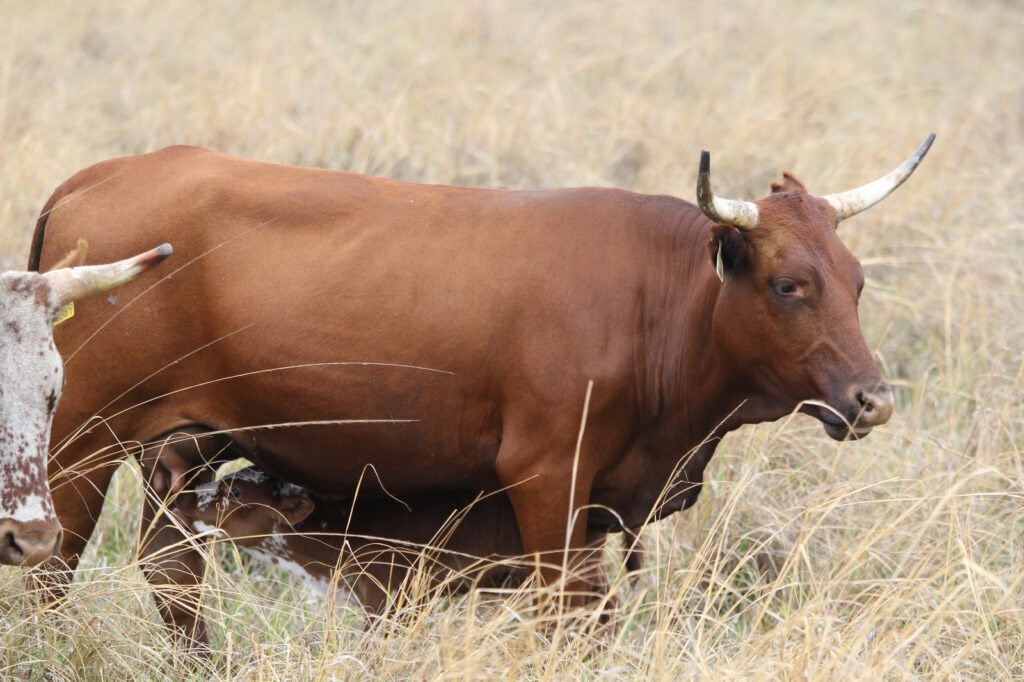
The Nkone cattle are part of the Sanga group, a distinctive type of African cattle characterised by their adaptation to harsh environmental conditions. Unlike the highly dependent breeds of temperate regions, Sanga cattle evolved through centuries of natural and human selection in environments that would break lesser animals. The Nkone specifically developed in the regions of southern Zimbabwe and neighbouring areas, shaped by drought, disease, poor forage, and the practical needs of pastoral communities.
Hulme emphasises the breed's environmental versatility: "The Nkone excels on all veld and soil types and thrives on poor soil and grasses, from the very hot, drought-prone, low-altitude sweetveld areas to the high-rainfall, highveld sourveld."
These cattle carry the genetic legacy of survival. Their ancestors were those that could walk long distances to water, the ones that could maintain body condition on sparse grazing, the ones that resisted tick-borne diseases that decimated imported breeds, and the ones that could reproduce reliably year after year without intensive management.
To understand Hulme's emphasis on function, one must first understand the environment these cattle must navigate. Zimbabwe's environment is largely characterised by erratic rainfall patterns that have become increasingly unpredictable. The country experiences regular droughts, sometimes extending for multiple seasons, interspersed with periods of intense rainfall that can cause flooding and soil erosion.
During dry seasons, grazing becomes sparse and nutritionally poor. Water sources may be many kilometres apart, requiring cattle to travel long distances daily. Temperatures can soar, placing extreme heat stress on animals. The vegetation consists largely of native grasses and browses that vary dramatically in quality throughout the year.
Disease pressure is constant. Ticks carrying deadly pathogens are endemic. Without intensive veterinary intervention, susceptible cattle simply die. In this environment, imported exotic breeds often require intensive management, supplementary feeding, regular veterinary care, and protective infrastructure just to survive, let alone produce.
The Nkone, by contrast, has been selected by nature over generations to thrive in these exacting conditions. Their efficiency is not measured in peak production under optimal conditions, but in consistent production under challenging realities.
When Hulme speaks of production, he is speaking of a holistic concept that encompasses far more than milk yield or growth rate measured under feedlot conditions. He states clearly: "We must continue to breed and select for functional cattle and important economic traits. Fertility is paramount. The Nkone cow is highly fertile and able to produce a good calf every year on veld grazing and minimum inputs."
This production efficiency in the context of Zimbabwe means the ability to convert poor quality forage into viable offspring, to maintain body condition through seasonal fluctuations, to resist disease without constant intervention, and to remain productive over a long lifespan.
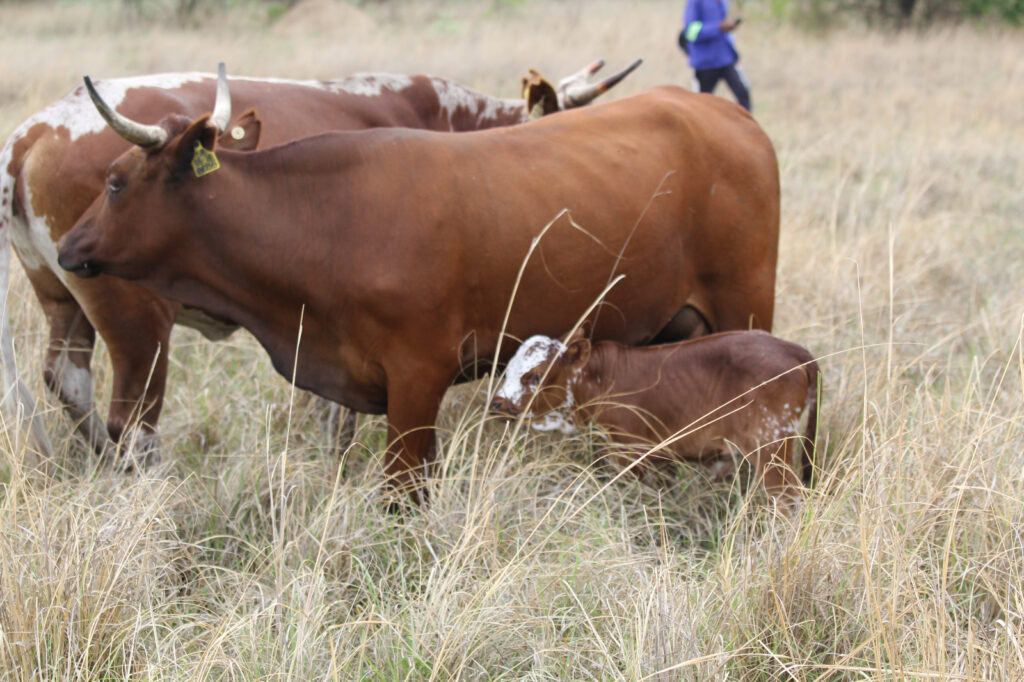
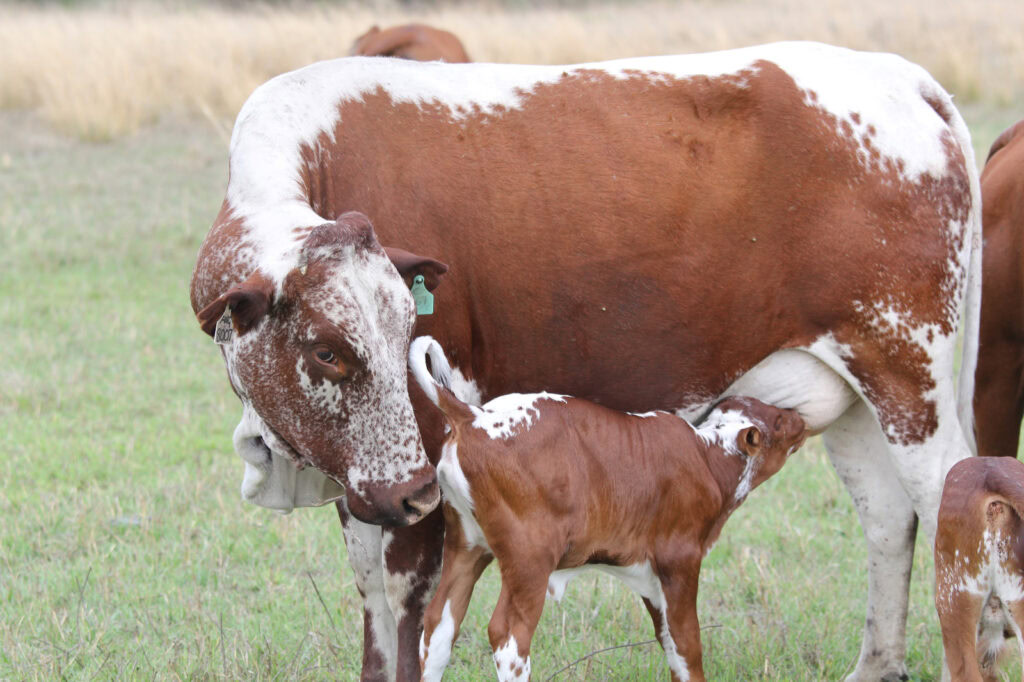
Nkone cows are known for their maternal abilities. They calve easily, almost always unassisted. They produce sufficient milk to raise vigorous calves despite challenging nutritional conditions. They exhibit strong protective instincts and good mothering behaviour, reducing calf mortality.
As Hulme notes: "The Nkone cow as the maternal line or ‘Alpha Mother Cow’ in any crossbreeding programme is outstanding."
The temptation of pretty colours
Hulme's pointed reference to "pretty colours which are not terribly important" addresses a real challenge in cattle breeding worldwide. There is a natural human tendency to value aesthetic traits. Breed standards often emphasise colour patterns, horn shape, body conformation details that have little bearing on productive function.
In developed agricultural systems with controlled environments, this aesthetic selection may be harmless. When cattle are housed, fed balanced rations, provided veterinary care, and protected from environmental extremes, selection for colour or cosmetic traits doesn't necessarily harm productive efficiency because the environment is benign enough to support less resilient animals.
But in the Zimbabwean context, selection pressure must remain focused on functional traits. Every breeding decision that prioritises appearance over production capacity weakens the breed's adaptation to its environment. The danger is subtle. In the past, breeders became very connected to show circuits that emphasised cosmetic traits, the unconscious drift towards aesthetic selection can erode the very characteristics that make breeds valuable. Fortunately, this is not the case in many progressive breeds of today.
The ecotype concept
Hulme's use of the term "ecotype" is significant. An ecotype is a genetically distinct population within a species that is adapted to specific environmental conditions. The Nkone are not simply a breed defined by arbitrary standards; they are an ecotype adapted to Zimbabwe's specific challenges.
He explains: "Although it has maintained its typical Nguni and Sanga characteristics, the breed has also invariably been exposed to other genetics over the years, resulting in the Nkone as it is known today. It has developed into an inimitable cattle breed that is totally adapted to unforgiving farming conditions, maintaining traits such as fertility and growth."
This adaptation involves physiological adaptations like heat tolerance and water conservation, immunological adaptations like tick resistance and tolerance to endemic diseases, metabolic adaptations that allow efficient nutrient utilisation from poor forage, and behavioural adaptations like the willingness to travel long distances.
These adaptations cannot be easily recreated through crossbreeding or genetic engineering. They represent the accumulated result of generations of selection in the specific environment.
Conservation of the Sanga breeds
Hulme is unequivocal about the importance of conserving the Nkone: "Nkone cattle are one of the three Zimbabwean indigenous Sanga breeds (Mashona and Tuli being the other two) and will form a valuable component of both the beef industry and agriculture sector in general in Zimbabwe in the future. It is therefore imperative to conserve and save the Nkone breed to ensure that its irreplaceable and uniquely adapted genetics continue to contribute to the future of the beef industry in Zimbabwe and Southern Africa."
This is not sentimental conservation, but strategic thinking about Zimbabwe's agricultural present and future. The breed represents a genetic resource that has taken thousands of years to develop and cannot be replaced if lost. In an era of increasing climate uncertainty, these adapted genetics become more valuable, not less.
The economic reality of low-input systems makes the Nkone's efficiency crucial. Zimbabwe's agricultural sector faces significant economic constraints. Many farmers operate with limited capital, restricted access to credit, and uncertain markets. Infrastructure for intensive livestock production is often absent or unreliable, particularly in communal areas.
In this context, cattle must be self-sufficient. The Nkone (and the other Zimbabwean indigenous breeds) excel in this model. Their feed requirements are met by rangeland grazing. Their disease resistance minimises veterinary costs. Their reproductive efficiency maintains herd productivity without requiring expensive breeding interventions.
A breed in recovery
The Nkone faced near extinction. As Hulme recounts: "Although Nkone numbers and breeders declined dramatically during the past few decades to a low that was considered close to extinction, numbers are again increasing in Zimbabwe. The decline is ascribed mainly to land reform and commercial farmers losing their land."
However, through the dedicated efforts of breeders like Hulme and the Nkone Cattle Breeders' Society of Zimbabwe, the breed is recovering. The number of breeders has increased from only two to seven in five years, with registered cattle growing from 150 to approximately 630 animals.
This recovery demonstrates what is possible when breeders maintain focus on functional traits and educate farmers about the breed's true value. As Hulme observes, the growth is due to "ongoing efforts by Zimbabwean Nkone breeders to promote this unique breed and to create awareness of the Nkone as an extremely valuable indigenous cattle breed that has an important part to play in future cattle production in the country."
The Nkone, adapted over thousands of years to harsh conditions, represents precisely what Zimbabwe needs for sustainable cattle production in marginal areas. Their built-in capacity for survival and production without intensive inputs makes them an irreplaceable genetic resource.
Hulme's vision is clear: maintain breeding focus on functional efficiency, resist the temptation of aesthetic selection, preserve the unique adaptations that make the breed valuable, and ensure these genetics contribute to Zimbabwe's agricultural future. In his words, we must remember that "form always follows function" - the pretty colours are nice, but it's the production, the fertility, the hardiness, and the adaptation that truly matter.
For Zimbabwean smallholder farmers with limited resources, for commercial operations seeking sustainability, and for a future of increasing climate uncertainty, the Nkone's functional efficiency is not just valuable, it is essential. The breed's recovery and continued improvement under Hulme's philosophy offers hope that Zimbabwe will maintain these irreplaceable genetic resources for generations to come.
Photo credit: Ed Schroeder (featured image) and George Hulme (gallery images)

Related Content


Nkone cattle a breed in recovery