
How a conflict thousands of miles away has potential to disrupt Zimbabwe’s horticulture sector

A recent post by Clarence Mwale, CEO of Kuminda and Chairman of the Export Produce Growers Association of Zimbabwe (EPGAZ), a sub sector of the Horticultural Development Council (HDC), has highlighted a growing crisis facing Zimbabwe’s export horticulture industry and one that is unfolding far beyond the farm gate. Whilst the war may be far away, the farmer in Zimbabwe is the one paying through freight, delays, and lost markets. People talk about conflict in big political terms, but for many Africans it shows up first as a ruined season.
While fields of blueberries, mange tout, and sugar snap peas are progressing well, a geopolitical conflict thousands of kilometres away is threatening to undermine the very viability of getting that produce to market.
The escalation of tensions between United States and Iran has led to widespread disruption across key aviation corridors, particularly over the Middle East which is a critical transit region for flights linking Africa to Europe and Asia.
Airlines are being forced to reroute, reduce, or suspend flights altogether. For Zimbabwean exporters, this translates directly into reduced cargo capacity, commonly referred to as “lift,” at a time when demand for fresh produce shipments is rising.
Longer flight paths mean higher fuel consumption and fewer rotations per aircraft, further tightening available space.
With capacity constrained and operational risks increasing, air freight costs have surged dramatically. Exporters are now facing rates that are double or even triple normal levels, compounded by additional war risk surcharges imposed by insurers.
For high-value but perishable crops such as blueberries and peas, these increased logistics costs can quickly erode margins, in some cases rendering exports financially unviable.
Timing is everything in horticulture exports. Produce like sugar snap peas and mange tout must reach European markets within 24 to 72 hours to maintain quality standards.
Disruptions to flight schedules introduce significant risk:
- Delays can lead to spoilage or reduced shelf life
- Missed connections compromise the cold chain
- Shipments may be rejected or heavily discounted on arrival
For exporters, this creates a difficult balancing act between harvesting at peak quality and securing reliable transport.
While larger export operations may have the resources to navigate rising costs or secure limited cargo space, small-scale farmers are far more vulnerable.
Many depend on aggregators or export companies to access international markets. When exporters reduce volumes due to freight constraints, it is often these smaller producers who are first to be cut from supply chains.
The result can be severe:
- Unsold crops and lost seasonal income
- Reduced cash flow for reinvestment
- Increased financial strain on already vulnerable farming households
The impact is not limited to Zimbabwe. A reduction in exports from Southern Africa contributes to supply gaps in European markets, where retailers rely on imports to meet year-round demand for fresh produce.
Buyers may turn to alternative suppliers in regions such as Latin America, potentially displacing Zimbabwean exporters even after conditions stabilise.
If disruptions persist, structural changes in the sector are likely:
- Exploration of alternative logistics routes or regional export hubs
- Increased use of costly charter cargo flights
- Limited shifts toward sea freight for less perishable crops
At farm level, producers may begin adjusting planting decisions, reducing exposure to export-dependent crops and favouring those with stronger local or regional markets.
What this situation underscores is the vulnerability of modern agriculture to global events. Zimbabwe’s horticulture sector, built on efficiency, quality, and speed to market, is particularly exposed to disruptions in air logistics.
A conflict in distant airspace can, within weeks, translate into grounded shipments, lost income, and difficult decisions on farms across the country.
As Clarence Mwale’s observations make clear, the connection between geopolitics and agriculture has never been more immediate or more consequential.
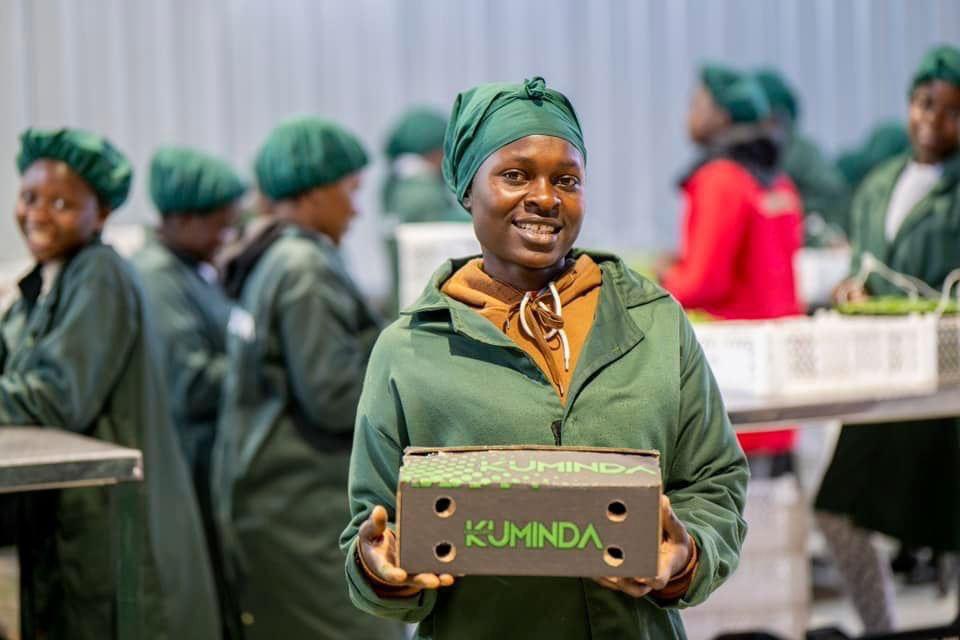
* Founded in 2024, KUMINDA (a Shona word meaning "At the farms") is a company which represents a collective of small- and medium-scale farmers cultivating certified quality produce for the UK, EU, regional and local markets. Combined with helping farmers get their produce to market, KUMINDA provides knowledge and support to assist farmers in delivering fruit and vegetables that meet global quality standards.




Related Content


