
Are current fertiliser recommendations and trial conditions relevant to smallholder maize farmers?

As the Agricultural Research Trust (ART) prepares to host a Varieties Demo Open Day next Thursday at its research farm in ART Farm near Harare, an important discussion has emerged around the relevance of maize research trials and fertiliser recommendations for the country’s diverse farming sector.
The online debate between ART Farm Head of Research Hugo Winkfield and Sebastian Scott of Grassroots Trust, a smallholder research centre based in Zambia, centred on whether current maize variety demonstrations and trials typically conducted under recommended agronomic practices, adequately reflect the realities faced by many smallholder farmers who operate under significant resource constraints.
The case for current trial protocols
Winkfield argues that maize trials must be conducted under recommended management conditions to accurately assess the genetic potential of modern hybrid varieties.
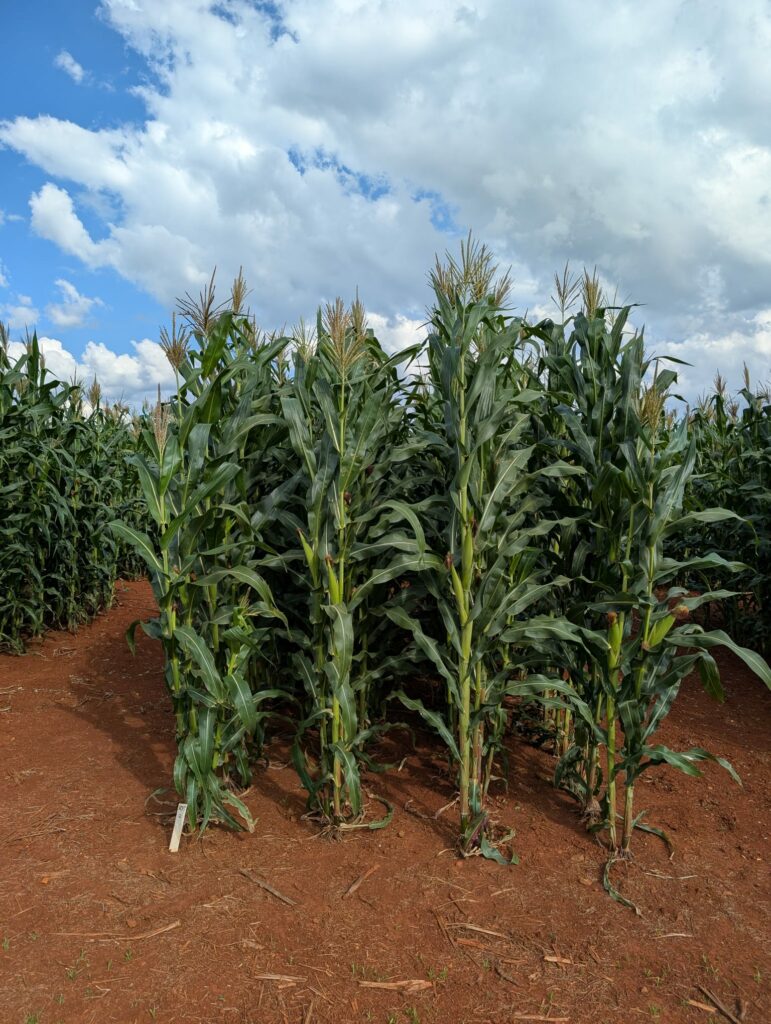
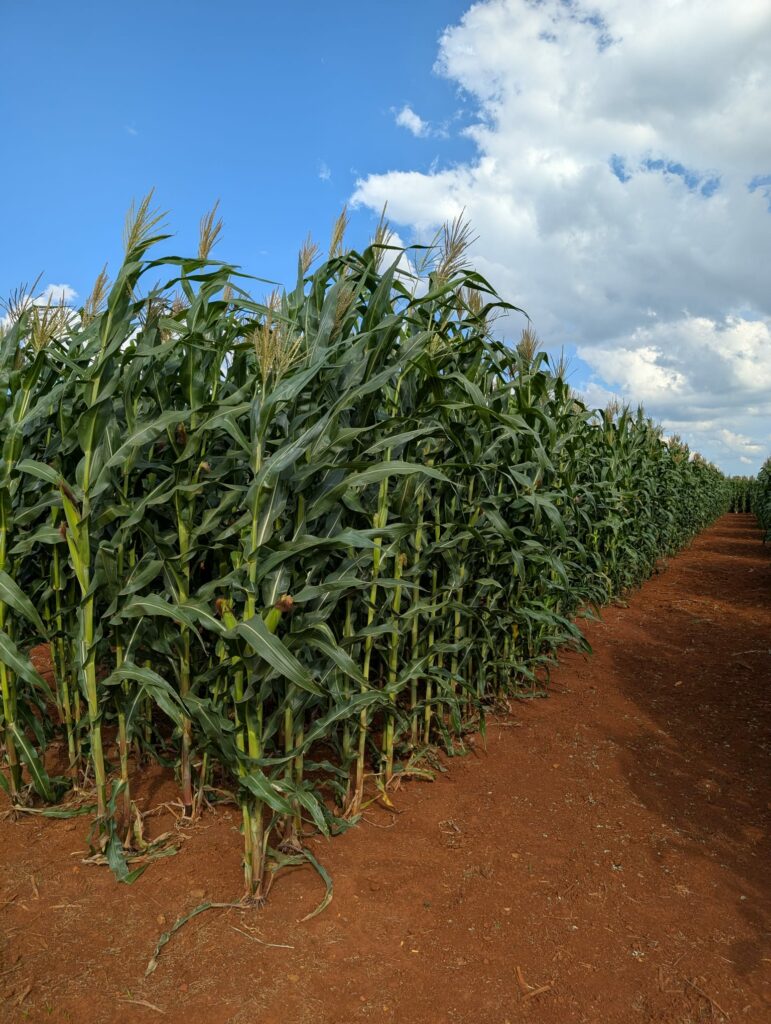
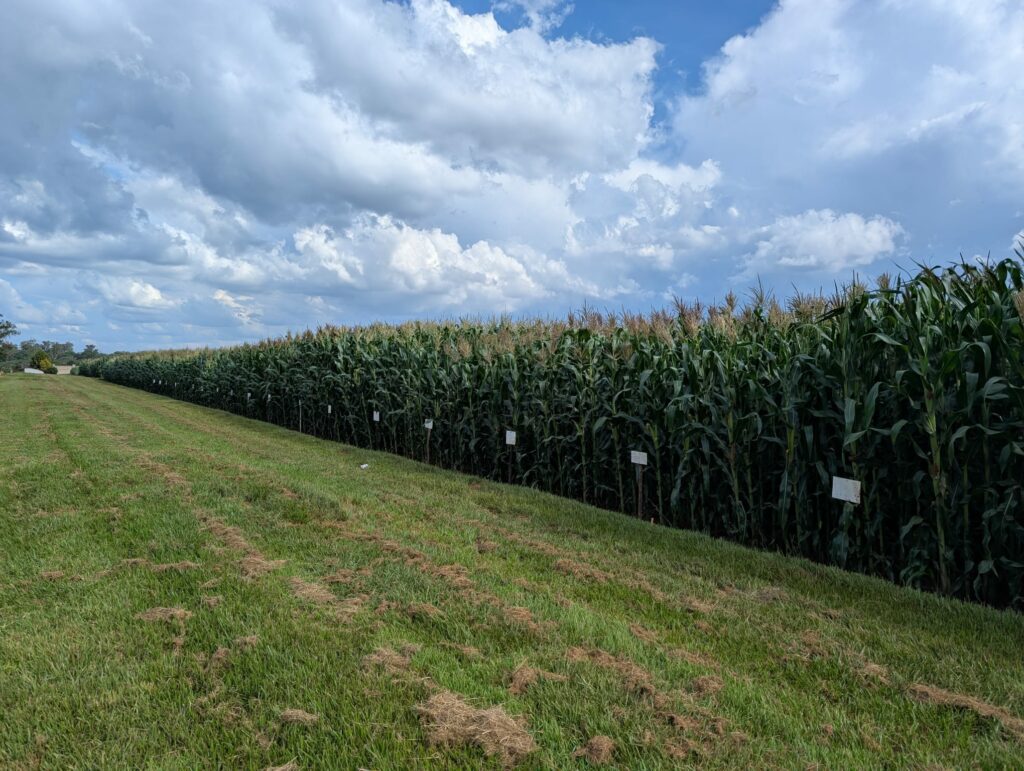
At ART and other trial sites across Zimbabwe, demonstration plots are primarily established to allow farmers to easily compare different maize varieties under consistent conditions. In addition to these demonstrations, formal variety trials are conducted at around 15 sites across the country to evaluate performance under different agro-ecological environments.
Standard fertiliser protocols used in these trials typically include:
Rain-fed sites
- 200 kg/ha of basal fertiliser such as Compound 6:23:23
- 300 kg/ha of top dressing using Ammonium Nitrate
Irrigated or high-potential sites
- 250 kg/ha of 6:23:23 basal fertiliser
- 400 kg/ha of Ammonium Nitrate top dressing
In addition, irrigated trials at ART also test different plant populations, typically around 55,000, 66,000 and 77,000 plants per hectare, to determine how varieties perform under different density conditions.
Agronomists argue that such management levels are necessary because hybrid maize varieties are bred to perform under moderate to high fertility conditions. Testing varieties under very low fertiliser rates could result in severe nutrient deficiencies, extremely low yields and results that do not fairly reflect the genetic potential of the varieties being evaluated.
From this perspective, trials are designed to answer a specific scientific question: which varieties perform best when recommended practices are followed.
The smallholder perspective
However, some researchers question whether these trial conditions fully reflect the real-world conditions experienced by many smallholder farmers.
Fertiliser costs remain one of the largest production expenses in maize farming, and many smallholders apply fertiliser at levels well below recommended rates. In practice, some farmers apply significantly less than 200 kg/ha of basal fertiliser, and top dressing applications may be reduced or omitted depending on seasonal cash flow.
This raises an important question: should research institutions also evaluate varieties under lower-input conditions that mirror smallholder realities?
Scott notes that fertiliser recommendations for smallholder maize production in the region have remained largely unchanged for decades.
“It has been roughly 60 years of broadly similar fertiliser recommendations for smallholder farmers,” he said. “One might expect that over that time there would have been more adjustment of recommendations to reflect the economic realities farmers face.” He added that smallholder farmers in Zambia use roughly 160kg/ha, well below half the recommended application rates.
Winkfield acknowledges that evaluating maize varieties under reduced fertiliser regimes could help identify hybrids or open-pollinated varieties that perform relatively better when fertiliser availability is limited.
Hybrid versus open-pollinated varieties
Another dimension of the debate concerns the suitability of different maize types under varying input levels.
Hybrid maize varieties offer higher yield potential, but they also require adequate nutrition to achieve that potential. Winkfield compares this to livestock production: a high-yielding dairy cow can produce large volumes of milk, but only if it receives sufficient feed.
Under lower-input conditions, researchers sometimes recommend that farmers consider open-pollinated maize varieties, which are generally more tolerant of lower fertility conditions and allow farmers to retain seed for subsequent seasons.
A discussion worth having
With fertiliser recommendations for high-potential maize production areas now reaching up to around 450 kg/ha in total nutrient applications, the gap between recommended practices and actual smallholder practice remains a subject of ongoing discussion.
The upcoming ART Farm varieties demo open day will provide a timely opportunity for farmers, researchers and seed companies to engage in a constructive conversation about how maize research, variety demonstrations and fertiliser recommendations can best support both high-potential commercial production systems and resource-constrained smallholder agriculture.
Such discussions are important to ensure that agricultural research continues to respond to the needs of the entire farming sector while maintaining the scientific rigour required to evaluate new technologies and crop varieties.

Related Content


thank you for the knowledge shared, i really appreciate. I will be there on 26 March 2026