
Foot-and-Mouth Disease outbreaks raise regional alarm across Southern Africa

Foot-and-Mouth Disease (FMD), one of the world’s most contagious livestock diseases, is threatening cattle industries and rural livelihoods across Southern Africa after confirmed outbreaks in Zimbabwe and neighbouring countries triggered heightened regional concerns, trade restrictions and intensified disease control measures.
Early this year, Zimbabwe’s veterinary authorities confirmed an outbreak of FMD in Mangwe District, close to the Botswana border, raising alarm among farmers and prompting swift containment efforts to prevent further spread. The disease, which affects cattle, pigs, sheep, goats and other cloven-hoofed animals, has severe economic consequences because of its ability to rapidly halt livestock trade and undermine productivity.
Investigations by the Department of Veterinary Services revealed that the outbreak was first detected on January 5, 2026, at the Maholi and Hannavale dip tanks in Mangwe. Laboratory tests confirmed the presence of the SAT1 serotype of the virus, one of several strains responsible for outbreaks worldwide.
According to officials, the source of infection is suspected to be African buffalo that were seen moving through communal areas about two months before the outbreak. African buffalo are recognised carriers of the FMD virus and are capable of maintaining the infection in wildlife populations, making them a major reservoir of the disease in parts of Africa.
To contain the outbreak, authorities implemented strict quarantine measures, movement restrictions and surveillance in surrounding areas. Emergency vaccination campaigns were also launched within a 20-kilometre radius of the affected zones, alongside awareness campaigns to alert farmers to the risks and symptoms of the disease.
FMD is caused by a virus belonging to the Aphthovirus genus in the Picornaviridae family and is characterised by fever and the formation of painful blister-like lesions on the mouth, tongue, teats and hooves of infected animals. These lesions often rupture, leaving animals severely lame and reluctant to move or eat.
Although adult animals rarely die from the disease, young calves, lambs and piglets can be vulnerable, with mortality among young animals often caused by myocarditis or the inability to suckle when infected mothers cannot feed them.
FMD can cause temporary sterility in bulls and can cause females to abort. This hidden cost adds another layer of concern in an outbreak. “Any fever in any bull in mating season is a disaster.”
The disease spreads easily because the virus is present in the breath, saliva, milk and other secretions of infected animals. Livestock can begin shedding the virus up to four days before showing visible clinical signs, making early detection difficult.
Transmission can occur through several pathways, including direct contact with infected animals, contaminated equipment and vehicles, infected feed or water, and even through clothing or footwear used on affected farms.
While FMD does not pose a direct risk to human health, its economic impact can be devastating. Countries experiencing outbreaks often face immediate trade restrictions, particularly on exports of cattle and related animal products.
Botswana responded to the Mangwe outbreak by imposing an immediate ban on the importation of cloven-hoofed animals and their products from Zimbabwe. Movement controls were also tightened within several livestock zones to protect the country’s national herd.
Ordinarily, animals sent to formal central cattle sales organisations in Zimbabwe must comply with strict veterinary controls. Cattle are inspected on farm by government veterinarians prior to movement and must be accompanied by movement permits and police clearance documentation.
These procedures are mandated under the Animal Health (Movement of Cattle and Pigs) Regulations of 1984, which require veterinary clearance and official permits for the movement of cattle within the country.
A livestock trade analyst noted that regulated auctions play a critical role in the sector.
“Auctions are one of our most important means of price determination. As a farmer, how do you determine the value of your asset? The open market is the best determination of stock value and a transparent method of price determination,” the analyst said.
However, outbreaks and the resulting restrictions on livestock movement can severely disrupt these formal markets.
Across the region, veterinary authorities are emphasising the importance of early detection and reporting, regular disinfection of equipment and vehicles, and strict control over livestock movement.
Farmers are also being advised to minimise unnecessary visitors to their farms, properly disinfect footwear and machinery, and ensure that shared equipment entering their properties is sanitised.
Animal identification and traceability systems are another key component of disease control, enabling veterinary officials to track animal movements and quickly isolate potential outbreaks.
Authorities stress that illegal movement of livestock remains one of the most significant drivers of disease transmission.
FMD is frequently spread when infected animals are moved between regions. Farmers and traders are therefore urged to comply fully with movement regulations, as anyone contravening the law may face prosecution.
The economic implications of outbreaks can be profound. Countries with confirmed cases often face trade embargoes, with exports of livestock and animal products immediately suspended.
For Zimbabwe, where the cattle sector holds significant potential for export growth, outbreaks undermine efforts to regain international market access.
“There is no export of cattle from Zimbabwe and we need to suppress and control it in order to regain our export status,” a sector analyst explained.
Beyond the broader economic impact, farmers themselves face severe financial strain during outbreaks.
Producers note that movement restrictions, which are necessary to contain the disease, can effectively shut down livestock trading for extended periods.
“The biggest effect on the economy is that because farmers can't trade and there is no compensation for farmers from any governments in Africa,” one farmer said.
“Infected properties get shut down in South Africa for up to 16 months and here it can be from two months or more. Once trading stops, that is the biggest destroyer of the industry. When movement permits or movement of cattle is shut down, that’s what affects the cattle business the worst of all.”
Farmers argue that the absence of compensation schemes places the entire financial burden of disease control on producers themselves.
“It’s all very well to go around and shut farmers down and say you’re infected and can’t move cattle. Meanwhile farmers still have to pay wages, feed cattle and dip them. Where does the money come from?”
The impact of the disease can also vary depending on the breed of cattle being raised.
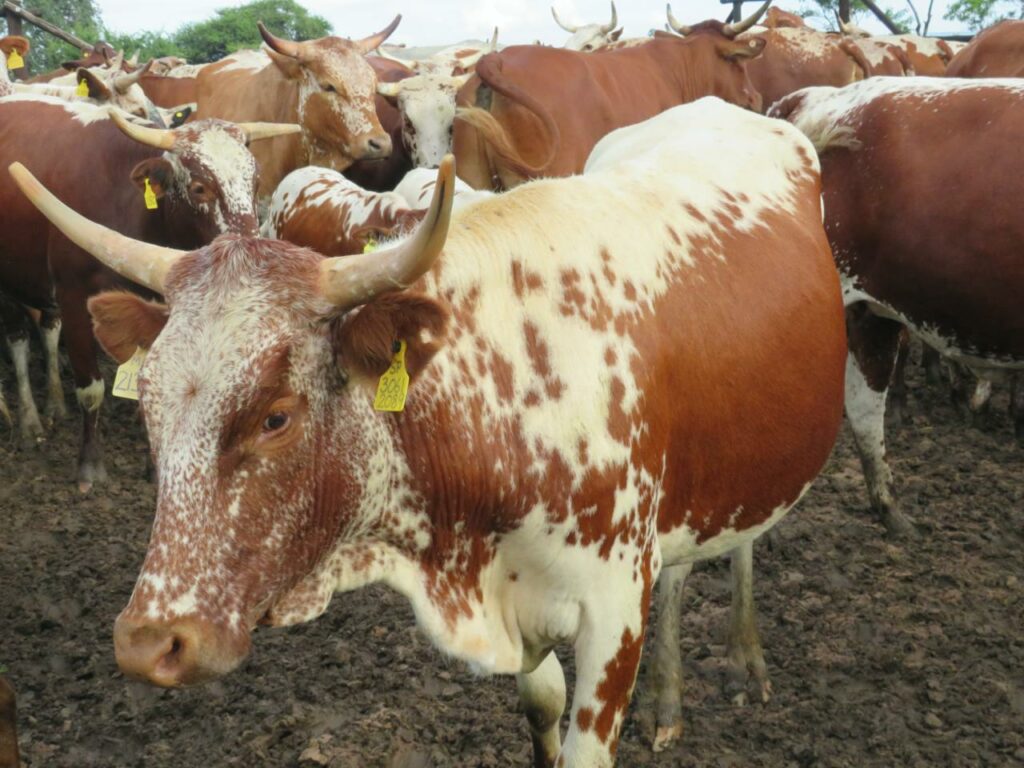
Farmers report that indigenous breeds often show greater resilience to the disease than imported or highly improved breeds.
“Indigenous animals tend to be a lot less affected,” the farmer said. “Breeds like Mashona, Nkone and Tuli are much less affected than softer breeds.”
Across Southern Africa, governments, veterinary services and livestock producers are now working to strengthen surveillance, vaccination programmes and border controls in an effort to contain outbreaks and protect the region’s livestock industries.
Experts emphasise that cooperation between authorities and farmers will be essential to prevent further spread and restore confidence in the livestock sector.
Recent outbreaks in neighbouring countries have demonstrated just how economically damaging the disease can be to the cattle industry.
Sources: WOAH, WAHIS, Department of Veterinary Services.

Related Content


