More than a bottom feeder: Understanding and eating Zimbabwe’s catfish

by Ross G. Cooper, D.Phil.
Catfish species in Zimbabwe
There are 23 species of catfish in Zimbabwe. They are carnivorous and scavenge fish and are characterised by scaleless bodies and conspicuous feelers or barbels around the mouth. They range in size from the spotted catlet and rock catlets, barely reaching 6cm in length, to the vundu (Heterobranchus longifilis) weighing 50kg or more. They have good aquaculture potential in commercial fishponds.
Air-breathing catfish and physical characteristics
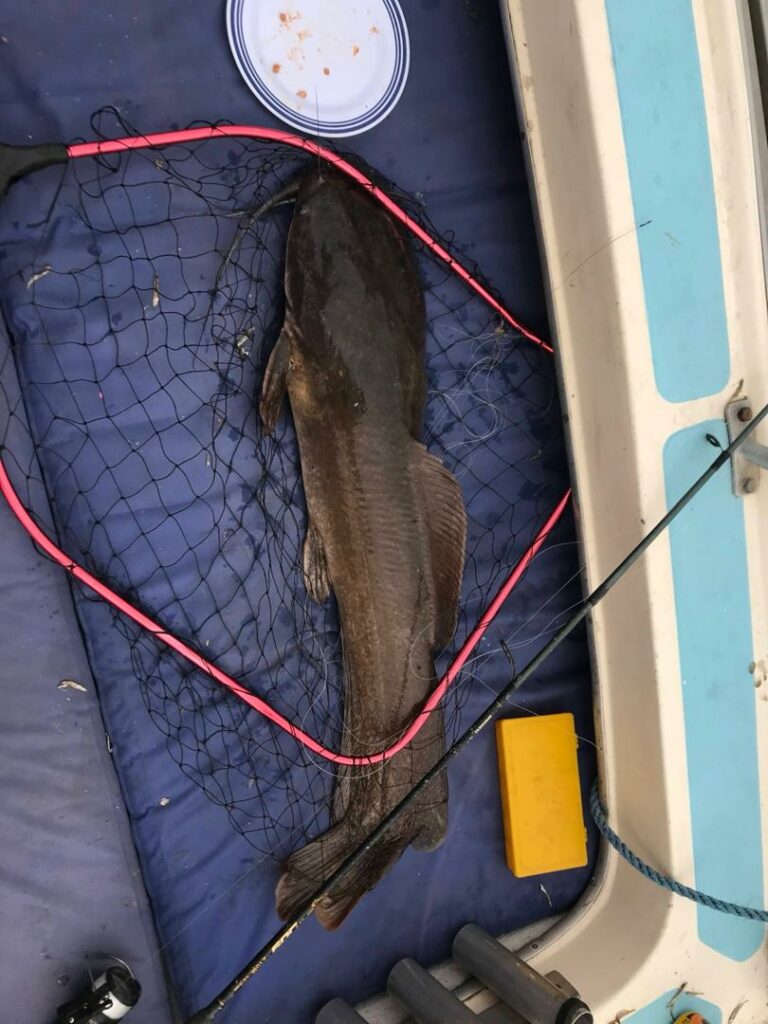
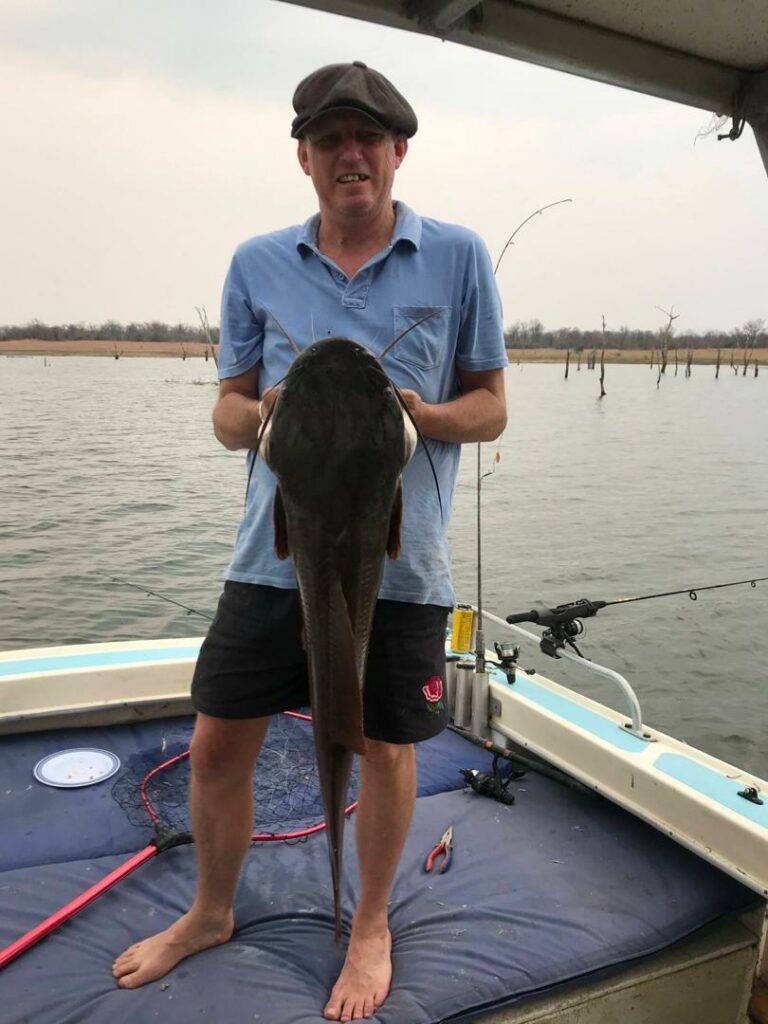
The air-breathing catfish (family Clariidae) have additional breathing organs (spongy structures located above the gills) which allow them to breathe atmospheric air, permitting them to survive in stagnant water and also out of water for a long time. They have a uniform dark brown dorsal surface extending down over the flanks almost onto the white throat and belly. They have broad flat heads, small eyes, four pairs of well-developed sensory barbels, a small swim bladder and long dorsal and anal fins.
The sharptooth catfish: distribution and size
The sharptooth catfish is the most common fish in Zimbabwe and the only fish found in all ten recognised river systems. Exceptionally large specimens reach 30kg (Zimbabwean National Angling Record: 30.84kg, D.F. Marsberg, 1947, Middle Zambezi River), making it the second largest fish in the country after vundu.
(Editor: The sharptooth catfish (Clarias gariepinus) is commonly known as barbel in Southern Africa. While not related to the European carp-family barbel, this African catfish is colloquially called a barbel due to its prominent barbels or whiskers, and is a well-known, hardy, and large angling species).
Angling and capture
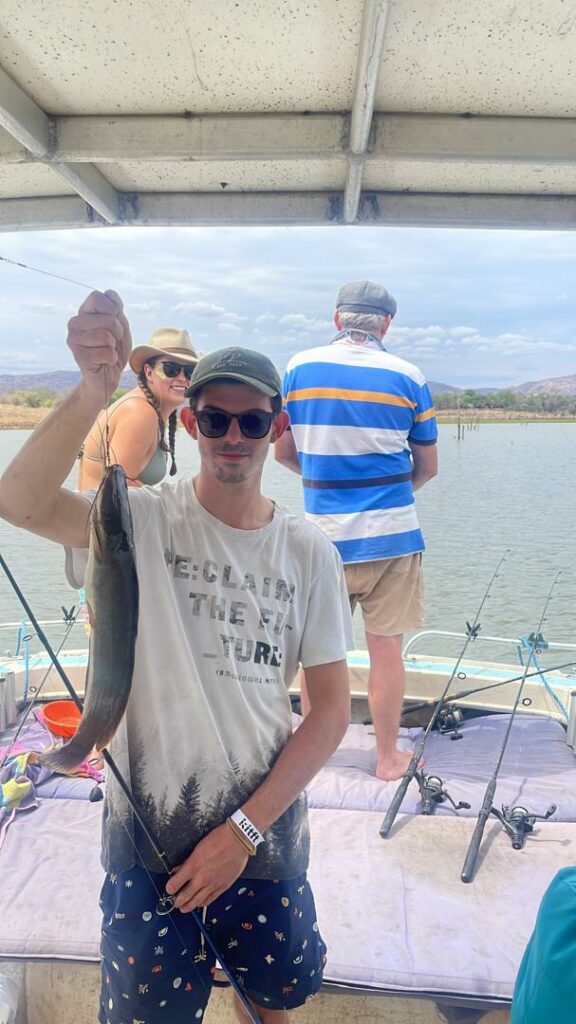
They are hooked on spoons, and on baits including bird entrails, meat and even blue-mottled soap. The fish will also strike at fishing flies! It is a popular angling fish, difficult to land because of its habit of holing up or using the river current to assist it. By identification, it has much longer whiskers than other air-breathing catfish, with a large adipose fin between the dorsal fin and tail.
Diet and feeding behaviour
Their diet consists of aquatic food, terrestrial organisms like insects and birds, and offal. They will consume fish and other prey like snakes, frogs, juvenile crocodiles, snails, shrimps, aquatic larvae and insects, terrestrial insects, grain seeds, fruit berries (especially Syzigum sp. trees), juvenile and adult birds. They often congregate under heronries and consume chicks that fall out of nests.
Hunting strategies and seasonal feeding
In rapids the fish is a powerful and fast swimmer, although it is more a stalker of prey than an active predator. They hunt in packs, often encircling fish and chasing them into the shallows where they are swallowed whole. They also congregate in large shoals where floodplains drain back into main rivers after the rainy season. Therein they lie in wait in deeper water and virtually scoop up shoals of small fish and juveniles of the larger species as they leave shallow water.
Breeding and early life
Breeding takes place during the rainy season when shoals of ripe fish move out into shallow flooded grasslands to spawn, and up 500,000 eggs are laid by each female often commencing during or soon after a heavy downpour. Once laid, the adults move quickly back into deeper water. The eggs hatch in ca. 36hr. and the fry tend to remain in the grassy flooded areas, relatively safe from the large fish predators, until falling water levels force them back into the main river. The importance of preserving Zimbabwe’s wetlands cannot be emphasised enough!
Survival in harsh conditions
Adults are often trapped in isolated pools in floodplains and non-perennial rivers and have been observed living in mud. There is no evidence that they can aestivate (spend a hot or dry period in a prolonged state of torpor or dormancy), although the exposed fish provide food for hungry predators and birds.
Migration and colonisation
Once the rains start, this fish begins extensive migrations and will colonise newly inundated vleis (wetlands) and watercourses, drainage ditches and the pans which have died out the previous winter. Huge specimens have been observed in tiny streams in Zimbabwean vleis.
Physiology and ecological research
The African sharptooth catfish, C. gariepinus, is a common fresh-water fish with large barbels found in many river systems in Zimbabwe, and the young have spotted skin. The literature includes a number of ecological studies of this fish, although more extensive research needs to establish their physiological adaptation toward food intake and metabolism thereof.
Unique liver structure
C. gariepinus is unique in that it contains two embedded lateral liver lobes in its musculature connected via bile ductules and blood vessels to the main liver lobe in the body. A new avenue in the ecological adaptations of organ metabolism of this fish could be explored by considering possible functional differences between its lobes.
Health considerations and consumption
The fish can be farmed in large commercial fish ponds, harvested and sold to the local market. From an angling perspective, knowledge of the storage capacity of the liver might be useful indirectly for determining the best waterways to catch the fish given their associations with food intake. Additionally, the embedded lobes consumed with the meat may pose a significant health hazard due to possible accumulation of environmental toxins, heavy metals and pollutants therein. However, if these lobes together with the main liver are carefully removed and discarded with the other entrails, the meat will, if thoroughly cooked in order to destroy helminth parasites (such as schistosomes, which rely on the freshwater snail Biomphalaria sp. as an intermediate host), be very nutritious.
Preparation and serving
Indeed, the fish is commonly filleted and the meat marinated in a salt, pepper, herb and vinegar mix over night before being grilled in an oven or over an open fire. The meat adorned with gravy and fresh lemon juice, is delicious and well-eaten with vegetables and rice or sadza, and, of course, enjoyed with a Lion or Castle Lager or cool-drink, followed by snacks of Willard’s Corn-Curls or Things.

Related Content