
Turning heat into opportunity

The Grounded chilli story
“I initially got into chilli farming through an export opportunity after securing an off-taker contract with a local middleman. But the prices were not sustainable, so I had to find my own market and start adding value.”
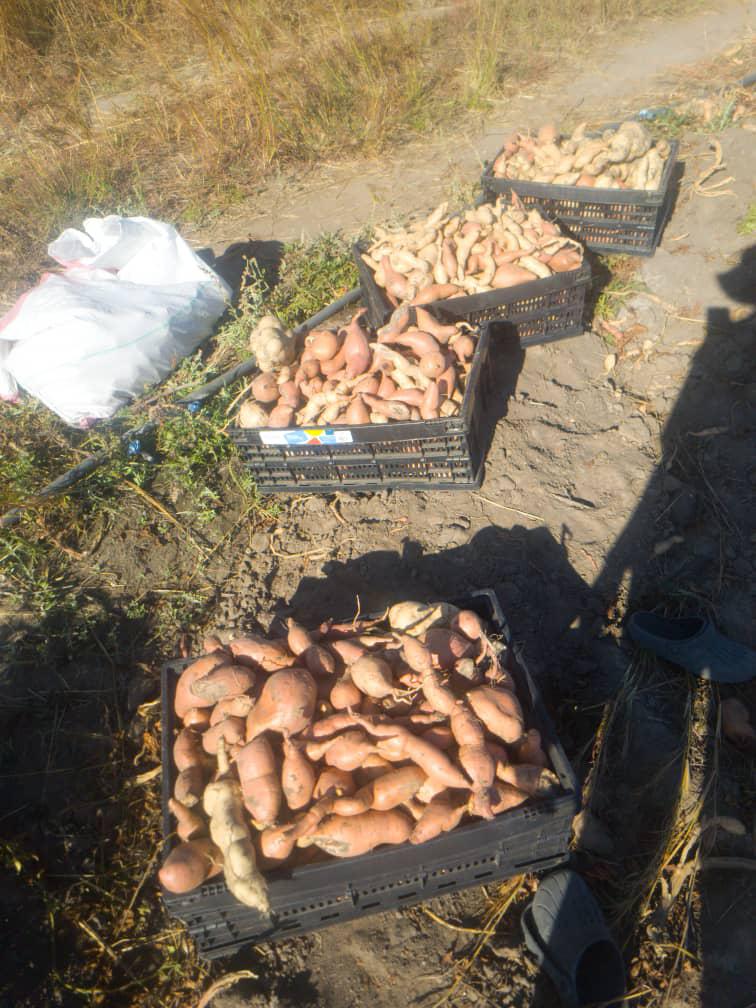
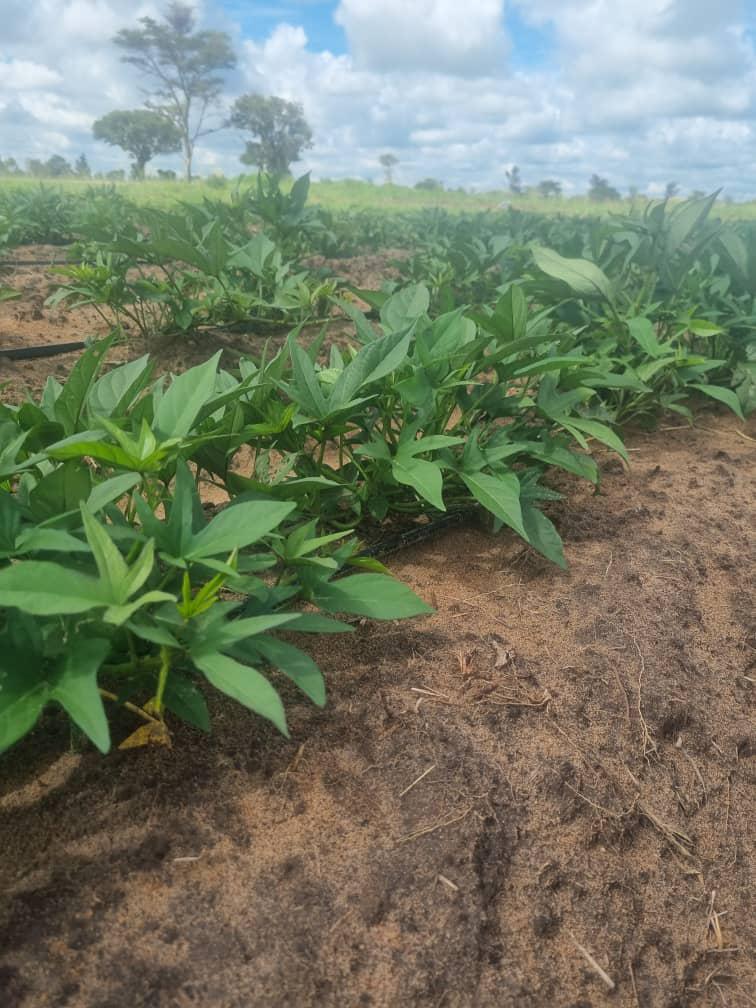
In Zimbabwe, where many farmers operate under pressure from land access challenges, changing weather patterns and unstable markets, Zuva-Palisa Mawema is building an agribusiness that refuses to be limited to raw produce sales. Farming under the brand Grounded, she grows chillies and sweet potatoes, combining production with processing to strengthen income and reduce dependence on middlemen.
Like many farmers here, Mawema farms on rented land in Norton, a reality that demands careful planning and limits long-term investment. Instead of slowing her down, this has shaped her approach - focused, deliberate, and market-driven.
Choosing a crop that makes sense
Mawema’s entry into chilli farming was driven by opportunity. Chillies stood out for their strong demand, export potential and ability to be processed, making them suitable for a farmer looking beyond seasonal income. Early involvement in contract farming opened doors but also exposed the challenges of price control.
Rather than remain locked into unsustainable pricing, she made the decision to build her own local markets and invest in value addition. Chillies were integrated into a mixed farming system alongside sweet potatoes, spreading risk while opening new income streams.
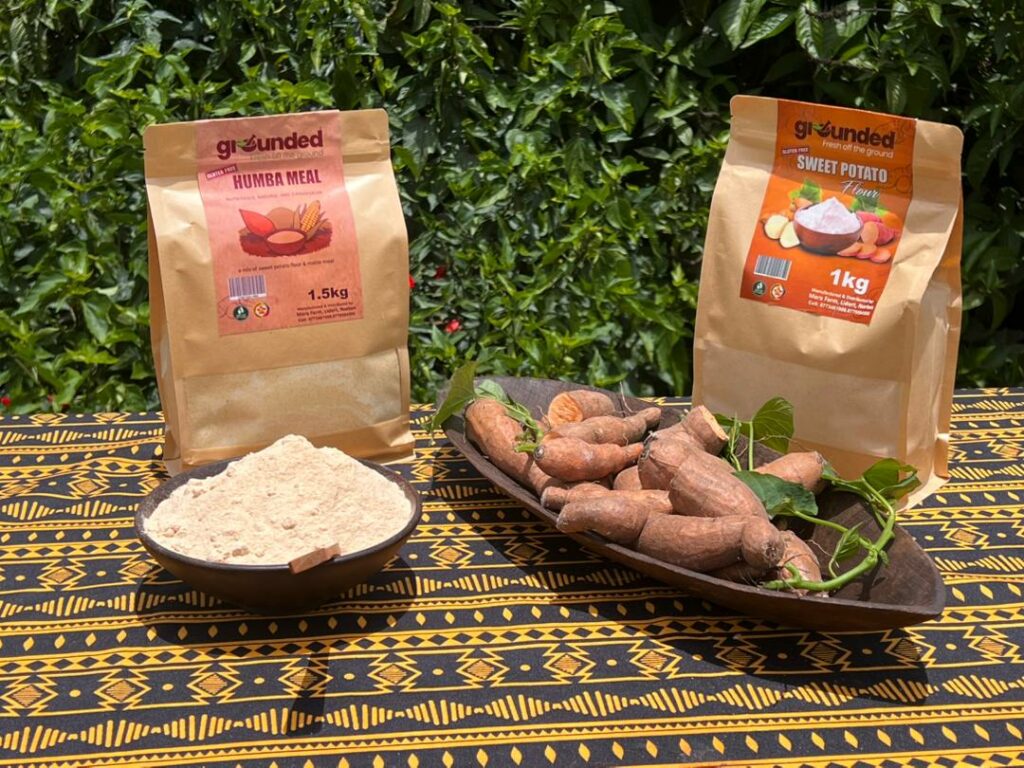
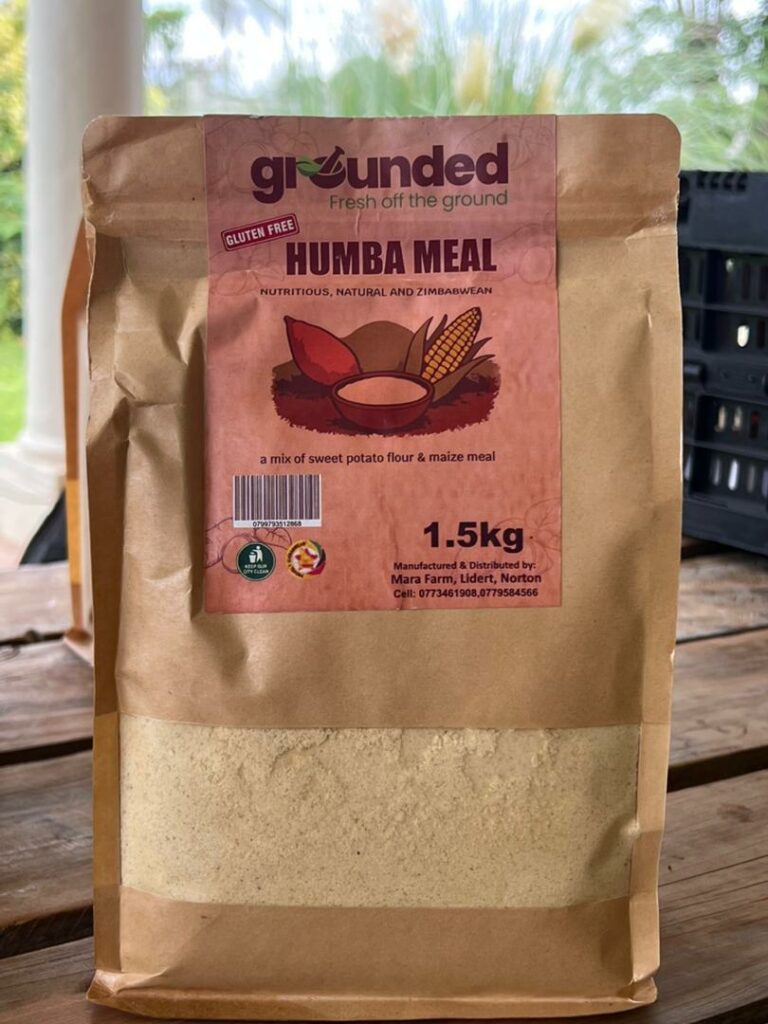
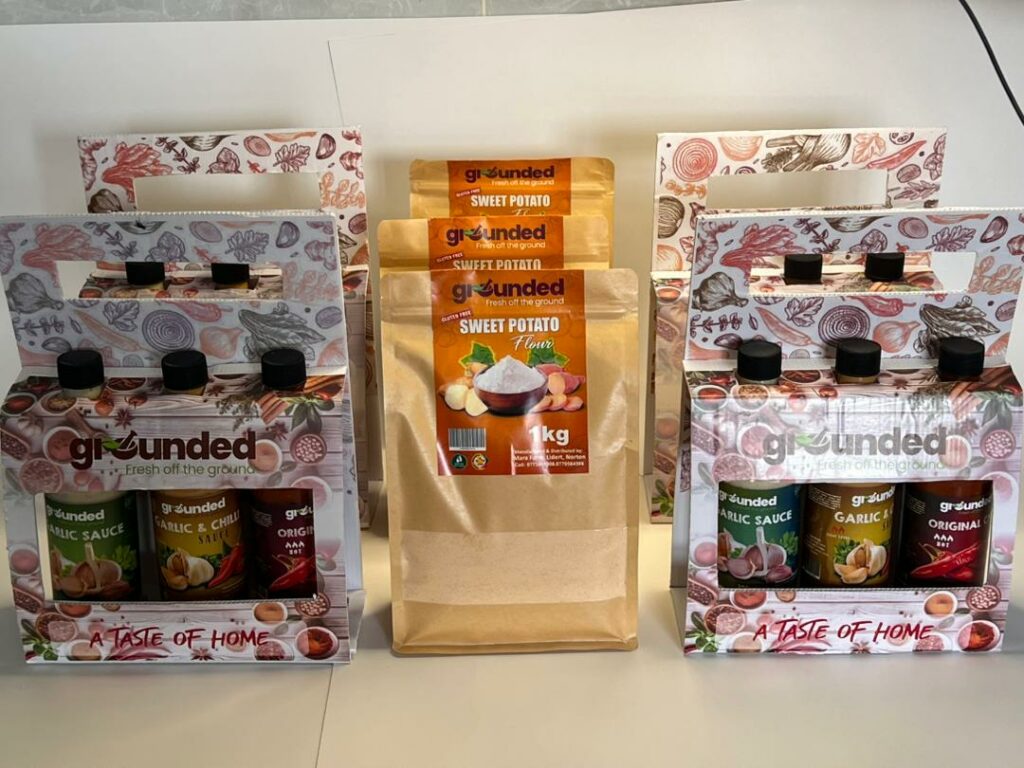
Today, sweet potatoes are sold fresh and processed into flour, meal and mash, while chillies are marketed in fresh, dried and processed forms.
Production rooted in planning
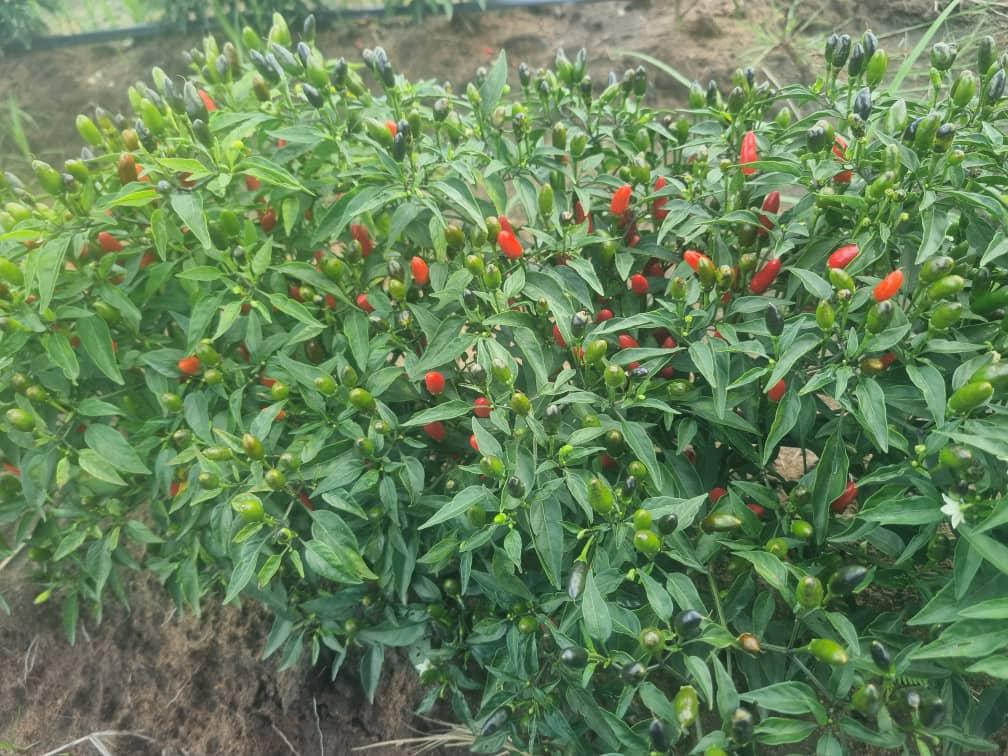
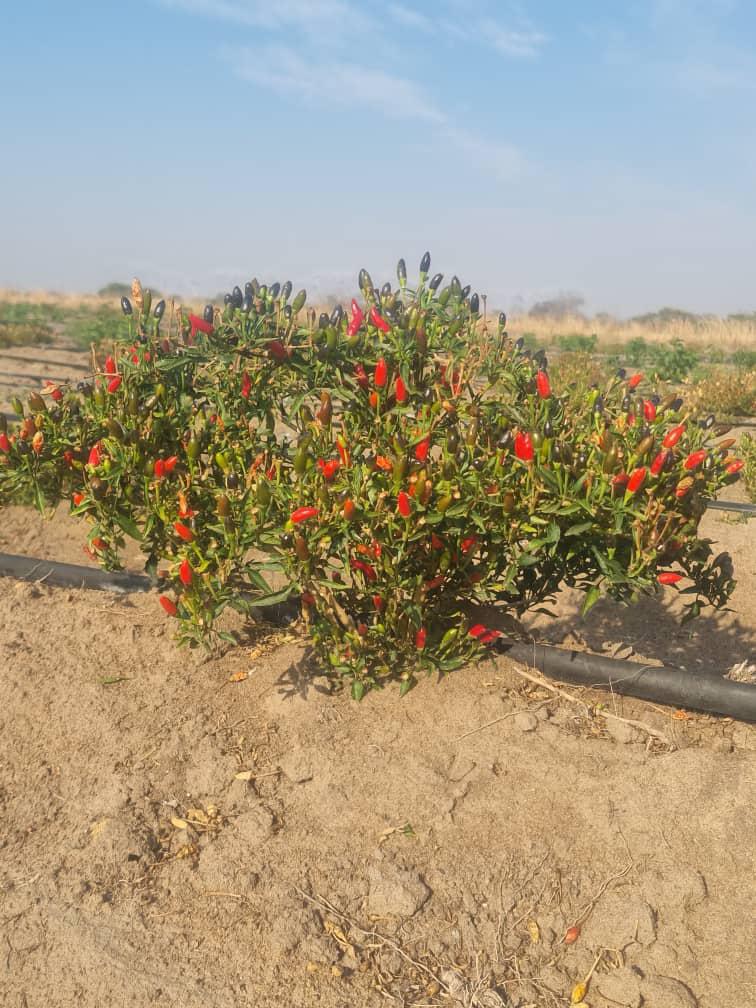
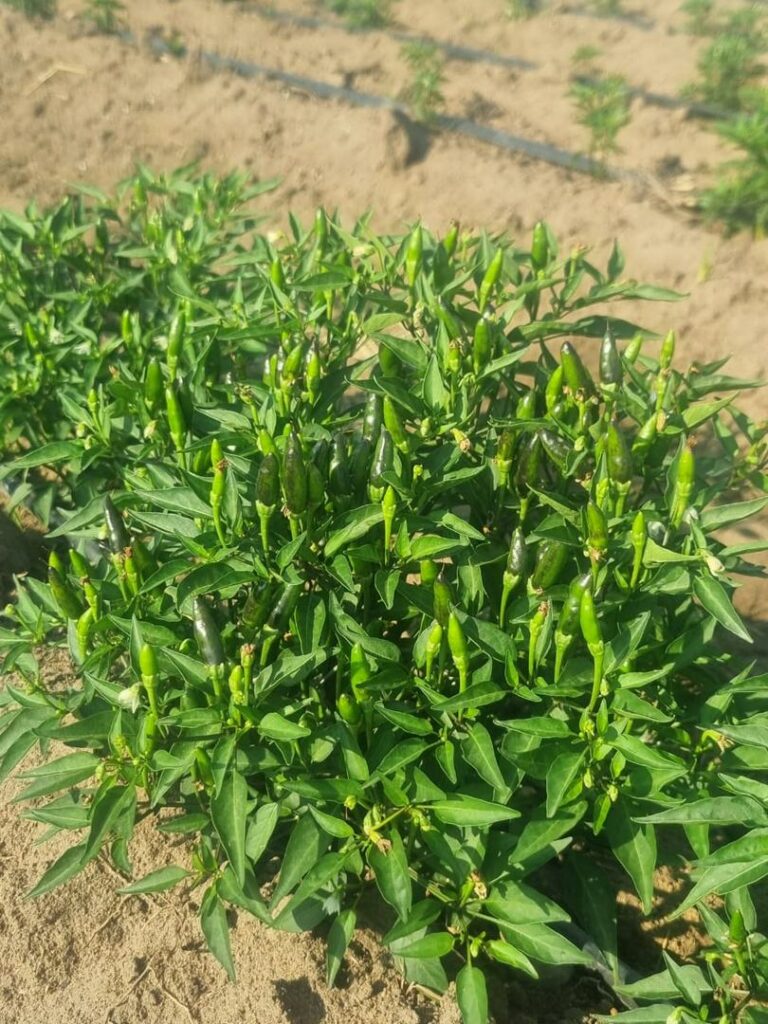
Grounded currently specialises in Bird’s Eye chilli and paprika, with two hectares under production using drip irrigation in open fields. There are plans to expand to four hectares by mid-year, a move aligned with growing demand for both fresh and processed products.
Chilli production runs almost throughout the year, but Mawema deliberately builds in a winter break. This pause allows for soil recovery, input planning and market assessment, an approach that reflects experience gained through both success and loss.
Soil first, chemicals last
At Grounded, soil health comes before quick fixes. The farm has started propagating its own seed and relies heavily on organic manure from cows and pigs. This focus on organic soil nutrition has improved crop colour, weight and overall quality, making the produce more competitive in both fresh and processed markets.
Chemical use is kept to a minimum. Pest and disease management relies on good agronomic practices, healthy soils and regular field monitoring. According to Mawema, prevention is cheaper than cure, especially when margins are tight.
Exposure through programmes such as ZimTrade’s AgriNest Challenge has played a key role in sharpening her understanding of markets and export requirements, helping her think beyond production into branding and compliance.
Taking control of the market
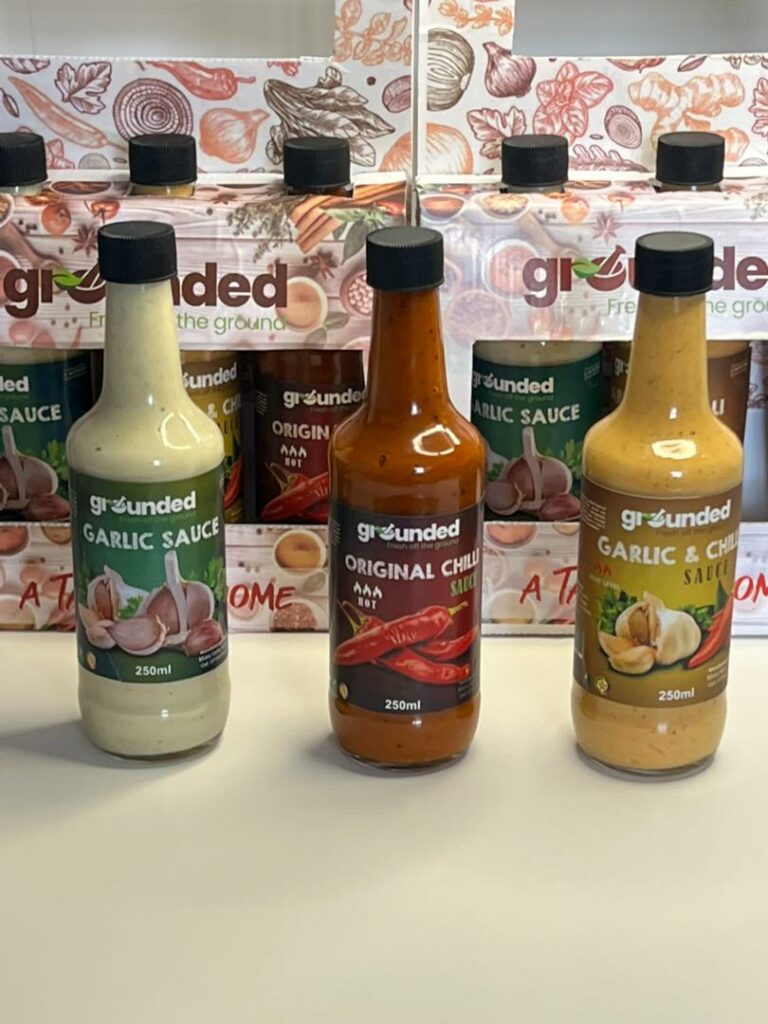
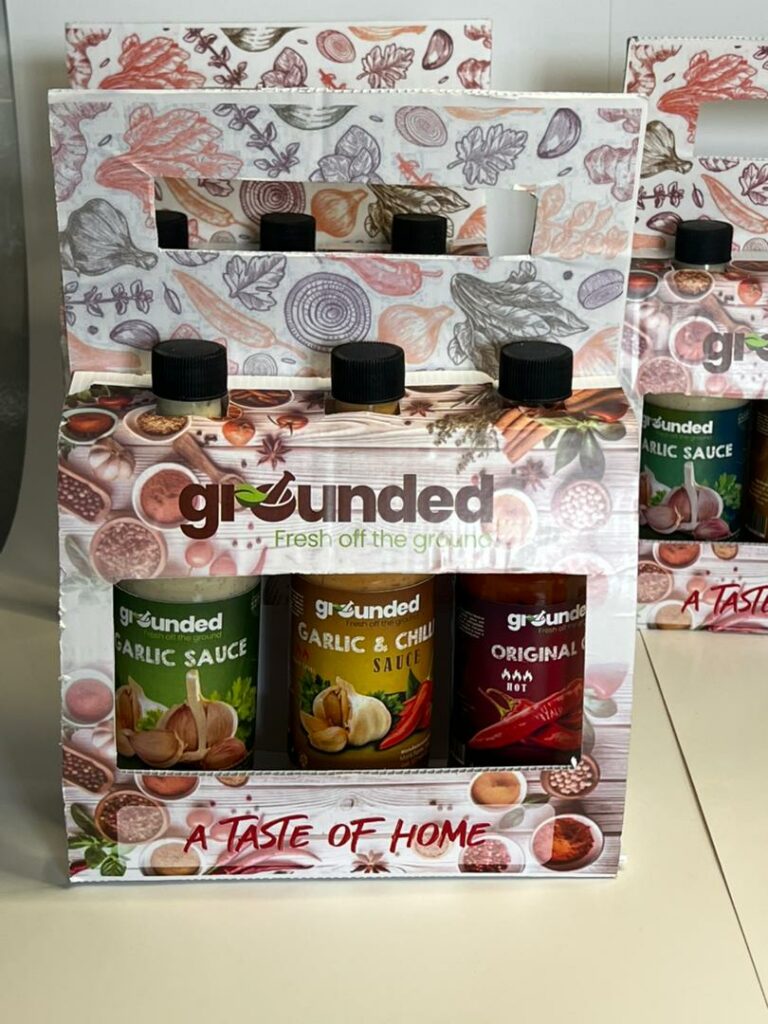
Grounded’s products reflect a clear move towards value addition. Under her brand, Mawema produces chilli sauces including Original, Chilli & Garlic, and Just Garlic, alongside processed sweet potato products.
While contracts offer stability through lump-sum payments, experience has shown that direct buyers and value-added products deliver better returns over time. This shift has allowed the business to grow steadily and reinvest in irrigation, processing and expansion without sacrificing pricing power.
Challenges remain with land tenure is the biggest constraint. Farming on rented land limits long-term investment in irrigation systems and permanent infrastructure.
Climate change has also become a serious risk. During the current season, excessive rainfall drowned the chilli crop, forcing a complete replant. “We had to start again,” says Mawema. The replanted crop has since recovered and is now flowering, a reminder of how quickly conditions can change and how important resilience has become in modern farming.
Despite these challenges, chilli and sweet potato farming have enabled Grounded to grow from small-scale production into a value-adding agribusiness with a much bigger vision.
The enterprise currently employs seven full-time workers (four women and three men) as well as four women on a part-time basis during peak periods such as planting, harvesting, processing and packaging. Women play a central role in processing and quality control, where attention to detail is critical.
Scaling up production
Looking ahead, value addition remains at the centre of Grounded’s growth plan. Chilli production is set to expand to four hectares, while sweet potato production is expected to grow from four hectares to 15 hectares, supported by pivot irrigation to meet processing demand.
The goal is clear: to move fully from farming into agribusiness, with consistent supply, branded products and stronger market presence.
Lessons from this field
Mawema’s advice to aspiring chilli farmers is practical and direct:
“Start small, focus on quality, and plan your market before you plant.”
For her, the biggest game-changer for Zimbabwean farmers would be secure land access and reliable irrigation, especially for women and young farmers trying to scale.
Recognition
One moment stands out as a turning point in her journey.
“Being nominated second runner-up in the first-ever ZimTrade AgriNest Challenge for export-ready products, particularly our chilli sauces and sweet potato flour, gave me the confidence to grow beyond farming into agribusiness.”
For Zuva-Palisa Mawema, the name Grounded reflects a business built firmly in Zimbabwean soil, shaped by challenge, and driven by the belief that farmers can take control of their markets and their future.



Related Content


