
Rainy season alert: Internal parasites (worms) in goats and sheep

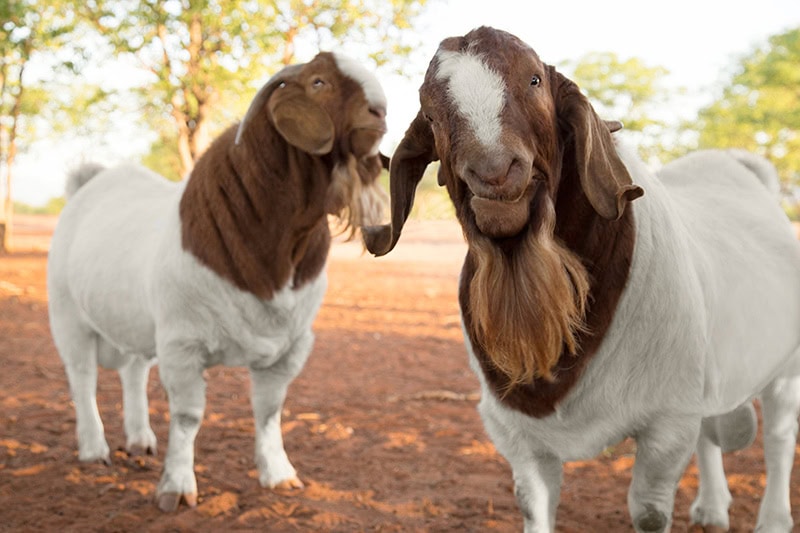
This small stock management advisory is kindly shared by Bulembe Farm, Matabeleland. Feature photo credit to Klipspringer Ranch.
The rainy season creates ideal conditions for internal parasites (worms). If not properly managed, worms can seriously affect the health, productivity, and survival of goats and sheep—especially young animals.
Why worm problems increase during the rainy season
Worms thrive in warm, wet conditions. Moisture allows worm eggs and larvae to survive longer on pasture, increasing contamination levels. During the rainy season, grazing animals are therefore exposed to a much higher risk of infection.
How worms spread
Goats and sheep pass worm eggs in their droppings.
When conditions are wet, these eggs hatch into larvae that climb onto grass and soil surfaces, contaminating grazing areas.
How animals become infected
While grazing, goats and sheep ingest worm larvae from contaminated grass or soil. The more heavily stocked or poorly managed the pasture, the greater the risk of infection.
Effects of worms on animal health
Heavy worm infestations can cause:
- Anaemia, especially from blood-sucking worms such as Haemonchus
- Weight loss and poor body condition
- Dull hair or wool coat
- Reduced growth and production
- Weakness and poor appetite
- Death in severe cases, particularly in kids and lambs
Early detection is critical, as animals may look normal until worm burdens are already high.
Treatment of worms
Worms are treated using dewormers (anthelmintics).
However, incorrect dosing or frequent, unnecessary use can lead to dewormer resistance, where treatments no longer work. This is a growing and serious problem.
Importance of worm load testing
Before treating, it is strongly recommended to consult a veterinarian or animal health technician to:
- Perform a faecal egg count (worm load test)
- Identify the type and severity of worm infestation
- Recommend the correct dewormer and dosage
Targeted treatment ensures better results and helps slow the development of resistance.
Using the FAMACHA system
The FAMACHA chart is a practical tool used to assess anaemia by checking the colour of the lower eyelid.
It helps farmers:
- Identify animals that actually need treatment
- Reduce unnecessary deworming
- Save money
- Protect the long-term effectiveness of dewormers
FAMACHA is especially useful for managing blood-sucking worms during the rainy season.
Additional prevention tips (very important)
Good management reduces worm pressure:
- Avoid overstocking grazing areas
- Rotate pastures where possible
- Keep feeding and watering areas clean and dry
- Provide good nutrition to strengthen immunity
- Quarantine and check new animals before mixing them with the herd
Worm control during the rainy season requires awareness, testing, and good management. By combining pasture management, targeted treatment, and simple monitoring tools like FAMACHA, farmers can protect their goats and sheep from serious losses and maintain healthy, productive herds.
What is FAMACHA?
FAMACHA is a simple, hands-on system used to check anaemia in goats and sheep, mainly caused by the blood-sucking worm Haemonchus contortus (the barber-pole worm).
It works by examining the colour of the lower eyelid and comparing it to a colour chart. Pale eyelids indicate anaemia and a high worm burden.

What does FAMACHA stand for?
FAMACHA comes from the name of the organisation that developed the system in South Africa:
FA – Faculty
MA – of Veterinary Science
CHA – at Onderstepoort (historically linked to the South African Veterinary Institute)
So, FAMACHA is not a word describing worms, but a name derived from its place of development.
Why FAMACHA is important
Identifies animals that actually need deworming
Reduces unnecessary drug use
Slows dewormer resistance
Saves money
Protects herd productivity

Important to remember
- FAMACHA is mainly for blood-sucking worms (especially Haemonchus)
- It does not detect all worm types
- Best used together with faecal egg counts and good management
How to use the FAMACHA chart (step by step)
What you need
- A FAMACHA chart (original, laminated if possible)
- Good natural light (don’t assess in shade or poor light)
- Clean hands
Step 1: Restrain the animal calmly
Hold the goat or sheep gently but firmly. Keep the head steady. Stress can affect blood flow and give a false reading.
Step 2: Open the lower eyelid correctly
This is very important.
Place your thumb on the upper eyelid and your finger on the lower eyelid
Gently push the upper eyelid down while pulling the lower eyelid slightly down
The inside of the lower eyelid (not the skin, not the eye itself) must be clearly visible
Do not press the eyeball.
Step 3: Compare with the FAMACHA chart
Match the colour of the lower eyelid to the chart:
- Score 1 – Dark red: Healthy, no treatment
- Score 2 – Red-pink: Acceptable, no treatment
- Score 3 – Pink: Borderline (monitor closely)
- Score 4 – Pale pink: Treat
- Score 5 – White: Treat urgently
Step 4: Decide who to treat
- Treat only animals scored 4 and 5
- Score 3 animals should be watched closely or tested
- Leave scores 1 and 2 untreated
This targeted approach reduces drug resistance and saves money.
How often should you use FAMACHA?
- Rainy season: Every 2–3 weeks
- High-risk animals (kids, lambs, lactating females): More frequently
- Dry season: Less often, as advised by a vet or technician
When NOT to rely on FAMACHA alone
FAMACHA does NOT work well if:
- Anaemia is caused by nutrition problems (iron or protein deficiency)
- Animals are affected by non-blood-sucking worms
- There are tick-borne diseases causing anaemia
- Animals are very sick for other reasons
Always combine FAMACHA with:
- Faecal egg counts
- Body condition scoring
- Good grazing management
Common mistakes to avoid
Treating the whole herd without checking
Using poor light when scoring
Pressing the eye instead of opening the eyelid
Guessing instead of using the chart
Using expired or under-dosed dewormers
Simple take-home message
- Check
- Score
- Treat only those that need it
- Monitor
Used correctly, FAMACHA is one of the most powerful, low-cost tools for controlling worms in goats and sheep, especially during the rainy season.


Related Content


thank for the information