
Zimbabwe’s tobacco sector record expansion signals new era of growth

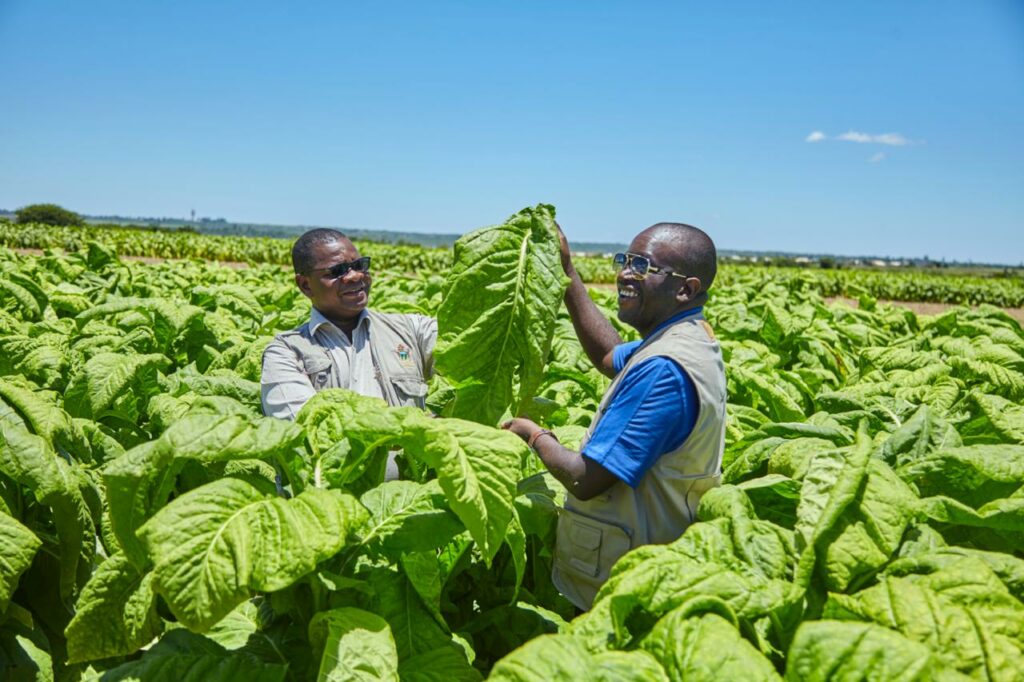
Zimbabwe's 2025/26 tobacco growing season has opened on a highly positive note, marked by significant expansion in planted hectarage, increased participation by women and small-scale farmers, and renewed confidence across the tobacco value chain. This comes on the back of a record-breaking national yield in 2025 (surpassing 353 million kg).
Tobacco remains a cornerstone of Zimbabwe's agricultural economy, supporting livelihoods, driving export earnings, and contributing meaningfully to national development goals as the country pursues upper middle-income status by 2030.
Hectarage expansion
As of 9 January 2026, the Tobacco Industry and Marketing Board (TIMB) reported that 162,625 hectares of tobacco had been planted, compared to 114,301 hectares over the same period in 2025. This represents a 42 percent increase in planted area, clearly reflecting the renewed confidence among growers following the strong performance of the 2024/25 season.
The expanded hectarage positions Zimbabwe to potentially surpass previous production records and further cement its position as a leading global producer, provided favourable conditions continue throughout the growing cycle.
The tobacco industry currently supports over 135,000 households nationwide, representing a 37 percent increase since 2017. This growth highlights the sector's expanding role in job creation, income generation, and rural development, making it a vital engine for poverty alleviation across the country.
Notably, women's participation has grown substantially. Women now account for 28 percent of registered tobacco growers, a 102 percent increase since 2017.
Critical focus areas for success
With increased hectarage now established, the focus for the remainder of the season will be on translating area expansion into improved yields and higher-quality leaf. Adherence to good agronomic practices, timely input application, and effective crop management will be critical in achieving optimal outcomes.
However, the current wet spell presents both opportunities and challenges that growers must navigate carefully. While adequate moisture is essential for crop establishment and early growth, excessive rainfall can create conditions conducive to disease outbreaks and heightened pest pressure. Fungal diseases and bacterial infections thrive in prolonged wet conditions, requiring vigilant monitoring and timely intervention with appropriate crop protection measures.
The wet weather also increases the risk of rapid vegetative growth, which can lead to leaves developing too quickly with reduced density and lower dry weight per leaf. This accelerated growth often results in thinner leaves with higher moisture content, potentially compromising both yield and quality at curing.
Pest pressure also tends to intensify during prolonged wet spells and management will be essential to protect the crop without compromising leaf quality or increasing production costs unnecessarily.
Economic impact
The tobacco sector remains a major source of foreign currency earnings for Zimbabwe. The industry's current growth trajectory aligns directly with the nation's broader economic aspirations and its goal of achieving upper middle-income status by 2030, with tobacco representing a key contributor to foreign exchange retention and national development.
As the 2025/26 season progresses, all eyes will be on how effectively the increased planted area translates into quality production and market success. The coming months will be critical as growers work to nurture their crops to maturity, particularly as they navigate the challenges posed by the current wet conditions.
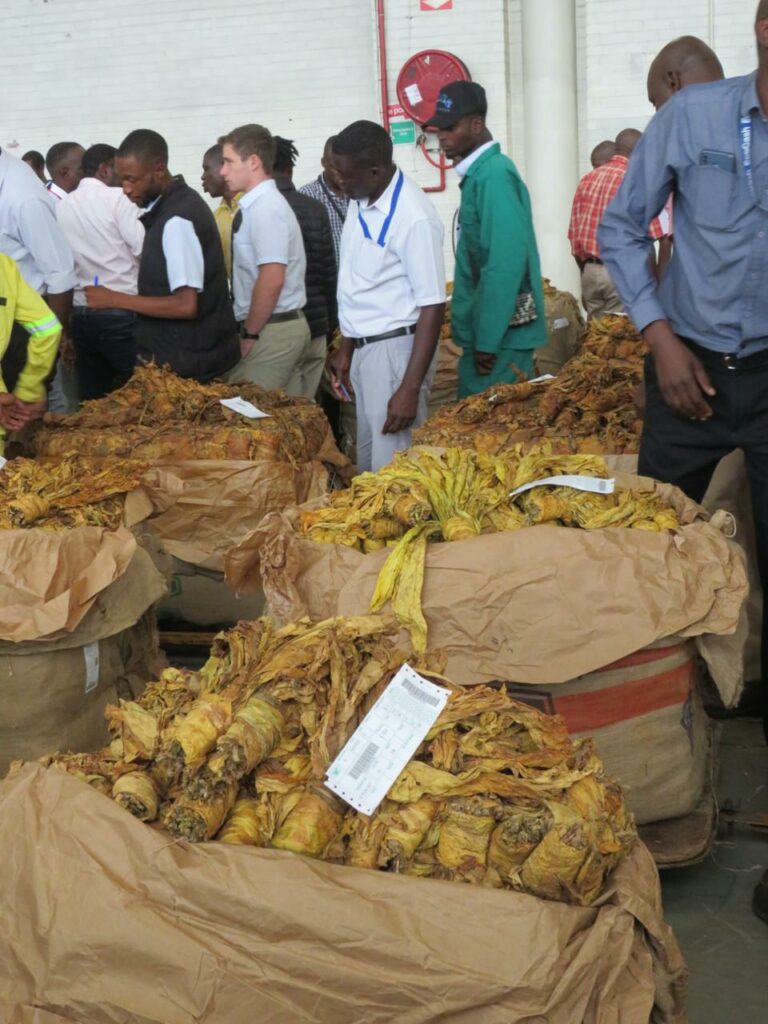
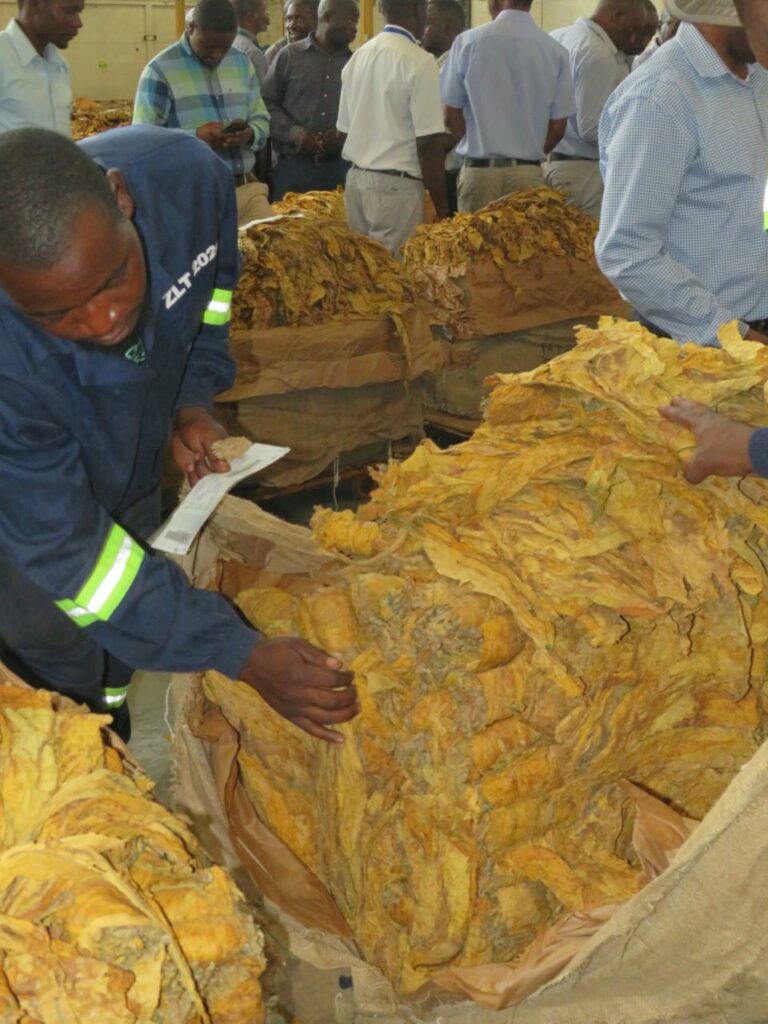
Successful management of the wet spell through proactive disease control, careful nutrient management, and vigilant pest monitoring will be crucial in protecting both yield potential and leaf quality. Growers who maintain disciplined agronomic practices during this challenging period will be better positioned to capitalise on the expanded hectarage when marketing begins.


Related Content


